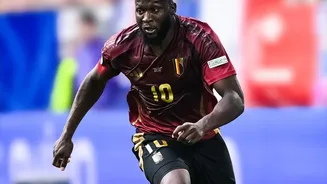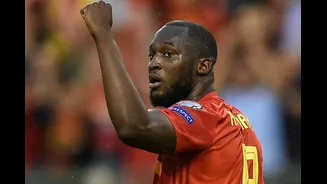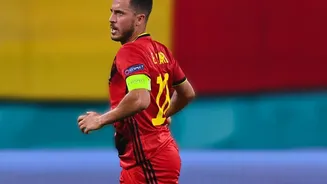




For a decade, they were the team that had everything: global superstars, a #1 world ranking, and dazzling talent in every position. Yet Belgium’s 'golden generation' ended its run without a major trophy. So what really happened?
The Rise of the Red Devils
After failing to qualify
for five consecutive major tournaments between 2004 and 2012, Belgian football experienced an astonishing revival. A wave of exceptional talent emerged, not in the domestic league, but across Europe’s most elite clubs. Players like Vincent Kompany at Manchester City, Eden Hazard at Chelsea, and Thibaut Courtois at Atlético Madrid became household names. When they gathered for the 2014 World Cup, with Romelu Lukaku and Kevin De Bruyne also in their ranks, the world took notice. This wasn't just a good Belgian team; it was a collection of individual brilliance that promised to redefine the nation's footballing identity and contend for the biggest prizes.
Promise and Frustration
The early tournaments showed flashes of genius but also tactical shortcomings. At the 2014 World Cup, a young squad reached the quarter-finals before being narrowly beaten by Argentina. Two years later, at Euro 2016, expectations were higher, but a shocking quarter-final defeat to Wales led to immense disappointment. Many critics pointed to manager Marc Wilmots, suggesting his tactics were too simplistic to get the best out of a supremely gifted group of players. The talent was undeniable, but the collective cohesion was missing, and a sense grew that they were underachieving.
The Peak in Russia
The 2018 World Cup in Russia was the generation's zenith. Under new manager Roberto Martínez, the team played with more tactical sophistication. They navigated the group stage perfectly before producing one of the most memorable comebacks in World Cup history, turning a 0-2 deficit against Japan into a 3-2 victory in the dying seconds. Their quarter-final performance against Brazil was a masterclass, with De Bruyne and Hazard orchestrating a brilliant 2-1 win. The dream ended in the semi-final with a tight 1-0 loss to eventual champions France, but the bronze medal they secured by beating England was Belgium's best-ever World Cup finish. It felt like a breakthrough, even in defeat.
The Final Act and Collapse
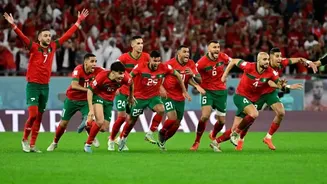
The years after 2018 saw the window of opportunity begin to close. At Euro 2020, they were knocked out in the quarter-finals by eventual winners Italy, hampered by injuries to key players. But the true collapse came at the 2022 World Cup in Qatar. An aging squad, dogged by rumours of internal conflict and dressing-room clashes, looked like a shadow of its former self. Star player Kevin De Bruyne publicly stated the team was 'too old' to win, a comment that reportedly caused friction. After a sluggish win against Canada, a loss to Morocco, and a goalless draw with Croatia where a half-fit Lukaku missed several clear chances, Belgium crashed out in the group stage. It was a dismal and definitive end to an era, and coach Roberto Martínez resigned immediately after.
So, What Went Wrong?
There was no single reason for their failure to lift a trophy, but a combination of factors. Some critics pointed to Roberto Martínez's tactical inflexibility and questionable selections at key moments. Others noted a lack of squad depth compared to rivals like France, who could call upon multiple world-class players from their bench. The immense pressure of the 'golden generation' tag may have also been a burden. Ultimately, in the moments that mattered most—the semi-final against France in 2018, the quarter-final against Italy in 2021—they were narrowly beaten by teams who were just as good, if not better organised. It was a story of fine margins.