
The Case for Dalia
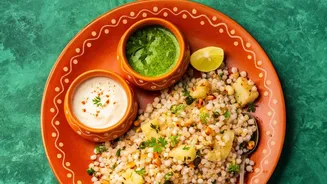
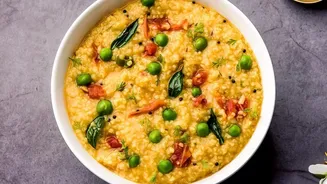
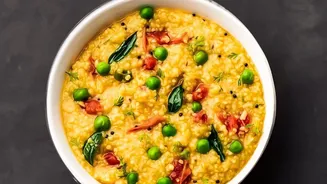
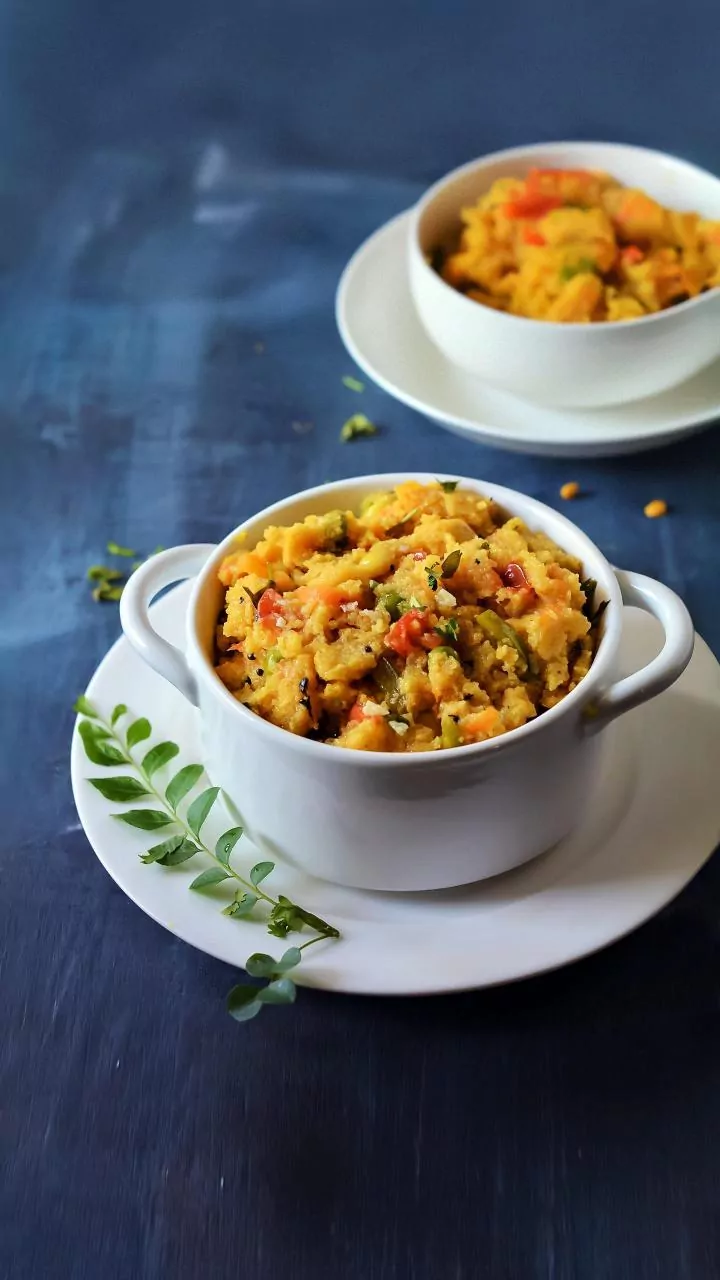
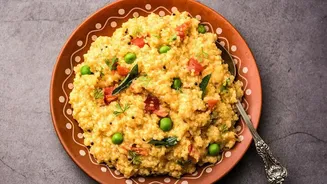
Dalia, or broken wheat, is a minimally processed whole grain that packs a serious nutritional punch. Because it's made from cracked whole wheat kernels, it retains a high amount of dietary fibre. This fibre is key to its health benefits; it promotes a feeling
of fullness, which can help prevent overeating and support weight management goals. A 100-gram serving of uncooked dalia contains roughly 12 grams of protein and about 10-12 grams of fibre, making it a dense source of nutrients. Furthermore, dalia is composed of complex carbohydrates, which break down slowly in the body. This leads to a gradual release of energy and helps in regulating blood sugar levels, making it a favourable option for many. Its low glycemic index (GI) means it doesn't cause the rapid spikes in blood sugar that can come from more refined grains.
The Comfort of Khichdi
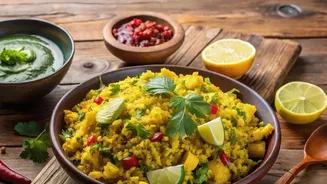
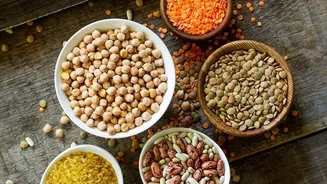
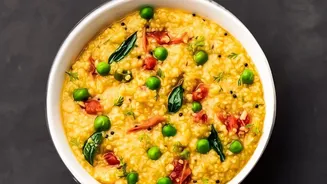
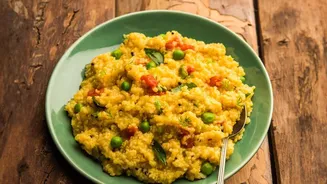
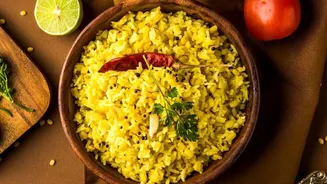
Khichdi is the quintessential Indian comfort food, often recommended during illness for a reason: it's incredibly easy to digest. Typically made from a combination of rice and lentils (most commonly moong dal), khichdi offers a unique benefit that a single grain cannot. The pairing of a cereal (rice) with a legume (dal) creates a complete protein profile, providing all the essential amino acids the body needs. While white rice on its own can be starchy and have a higher glycemic index, combining it with dal, vegetables, and spices changes its nutritional dynamics. A basic moong dal khichdi provides a balanced mix of carbohydrates and protein. A 100-gram serving of a simple, cooked moong dal khichdi has around 120-130 calories, with about 4-5 grams of protein and lower fibre than dalia, depending on preparation. Its strength lies in its digestibility and balanced macronutrients in a single, soothing dish.
A Nutritional Showdown
When placed side-by-side, dalia often appears to be the more robust choice from a purely statistical standpoint. It generally contains more fibre and has a lower glycemic index than a khichdi made with white rice. For those focused on weight management or blood sugar control, the high fibre and complex carbs in dalia are significant advantages. However, this doesn't tell the whole story. The protein in khichdi is more 'complete' due to the combination of dal and rice. The nutritional value of both dishes can also be dramatically enhanced. Adding a variety of vegetables to either dalia or khichdi boosts their vitamin, mineral, and fibre content significantly. The choice of fat, such as ghee or oil, and its quantity will also heavily influence the final calorie count.
The Portion Size Plot Twist
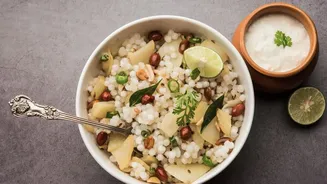
Herein lies the central theme: the 'healthiest' choice is often nullified by portion size. A large, overflowing bowl of 'healthy' dalia can easily contain more calories and carbohydrates than a small, controlled cup of khichdi. Portion control is the practice of managing the amount of food you consume in one sitting, and it's a critical factor in weight management and overall health. Eating large quantities of any food, no matter how nutritious, can overwhelm the digestive system and lead to an excess calorie intake. The belief that one food is a 'free pass' can lead to mindless overeating. A well-proportioned meal, on the other hand, provides necessary nutrients without overloading the body. Therefore, a 1-cup serving of khichdi served with a side of yoghurt and salad is a far more balanced and sensible meal than a giant 3-cup bowl of plain dalia.
Making the Right Choice for You
Instead of declaring one dish superior, the smarter approach is to understand their strengths and choose based on your goals. If your primary goal is to increase fibre intake and ensure slow energy release, dalia is an excellent choice. If you need an easily digestible, complete-protein meal, especially for recovery or a light dinner, khichdi is ideal. The best strategy is to incorporate both into your diet, paying close attention to how you prepare them and how much you eat. Enhance both with plenty of vegetables for added nutrients. Use tools like smaller bowls and measuring cups to keep your portions in check. Remember, a balanced plate is more important than a single 'superfood'.