

The 'Eventization' of Cinema
Going to the movies is no longer just a casual night out; it has become an event. Studios and theatre chains are working in tandem to transform major releases into cultural moments that feel unmissable. This 'eventization' strategy involves everything
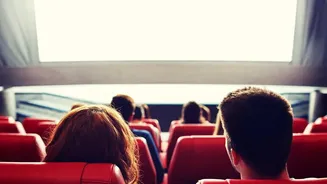
from massive marketing campaigns and celebrity appearances to limited-time engagements that create a sense of urgency. We are being trained to see cinema not just as a place to watch a film, but as a venue for a shared, large-scale experience. This communal aspect is a powerful draw, especially for younger demographics like Gen Z, who are seeking collective, in-person events as a contrast to solitary streaming. The goal is to make a film's opening weekend a topic of social conversation, something you have to see to be a part of the cultural zeitgeist.
The Premium Experience Squeeze
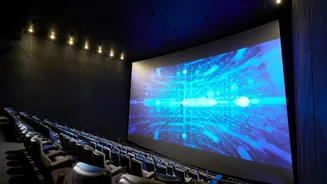
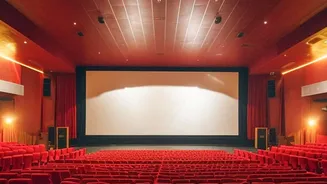
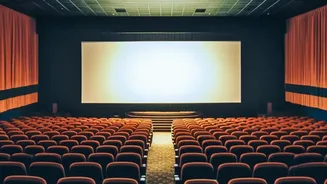
The very architecture of the modern multiplex is now built around spectacle. The rise of Premium Large Formats (PLFs) like IMAX and Dolby Cinema is a direct response to audience demand for immersive experiences that cannot be replicated at home. These formats, with their giant screens, advanced sound systems, and premium ticket prices, are perfectly suited for films designed around scale and sensory impact. The market for PLF cinemas is growing significantly, with forecasts predicting it will more than double in value by 2033. Blockbusters see a huge portion of their revenue come from these premium screens. For example, 'Spider-Man: Brand New Day' saw Dolby Cinema have its highest-grossing weekend ever, and 'The Odyssey' earned a staggering 55% of its domestic box office from enhanced formats. This creates a feedback loop: as more people pay a premium for spectacle, theatres have more incentive to dedicate their best auditoriums to these films, pushing smaller movies to the side.
The Vanishing Middle Ground
The consequence of this blockbuster-focused strategy is the erosion of the mid-budget film's place in the multiplex. Dramas, comedies, and character-driven stories that don't boast massive special effects are finding it harder to compete for screen space and audience attention. While the box office has seen a strong recovery in 2026, with year-over-year growth and several billion-dollar hits, this success is concentrated at the top. Audiences have become more selective, saving their money and time for films that seem to demand a theatrical viewing. This has pushed many mid-budget and independent-style films onto streaming platforms, which have become the de facto home for movies that would have been multiplex staples a decade ago. The result is a theatrical landscape that increasingly feels like a tale of two extremes: massive, must-see blockbusters and, in a much smaller corner, niche art-house pictures.
Training the Audience for Spectacle
This shift isn't just happening by accident; it's a deliberate strategy. By consistently marketing major releases as unmissable events and offering them in premium formats, the industry has effectively conditioned audiences to associate the theatrical experience primarily with spectacle. The question is no longer just 'what's good?' but 'what is worth the trip and the ticket price?' The answer, for a growing number of people, is a film that offers something visually overwhelming that their home setup cannot provide. While 2026 has shown that a diverse slate of films can succeed, the gravitational pull of the blockbuster is undeniable, with tentpole releases like 'Spider-Man: Brand New Day' causing traffic spikes more than double that of other successful films. This creates a powerful incentive for studios to invest in fewer, bigger, and more visually bombastic productions that are guaranteed to dominate both the screen and the conversation.