

An Ancient Tradition Goes Viral
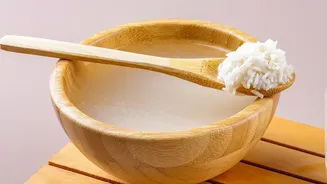
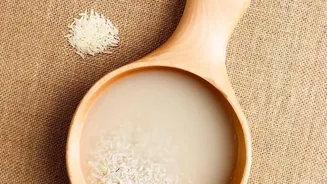
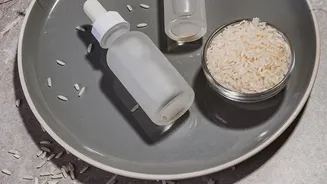
Long before it became a social media sensation, rice water was a staple beauty treatment in Asia. For centuries, women in China, Japan, and Southeast Asia have used the starchy liquid to care for their hair. Most famously, the Yao women from the village
of Huangluo in China are renowned for their exceptionally long, strong, and dark hair, which they attribute to washing it in fermented rice water. This tradition, passed down through generations, wasn't just about aesthetics; it was a holistic practice believed to keep hair healthy and manageable well into old age. Now, this age-old secret is having a major resurgence, championed by wellness creators online who praise its purported benefits for both external beauty and internal health.
The Science of a Silky Sheen
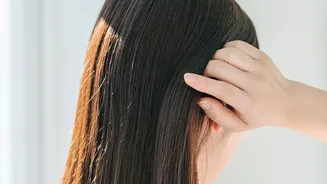
The primary claim for hair is that rice water promotes growth, strength, and shine. The science, while not definitive, points to a few key components. The star ingredient is inositol, a carbohydrate that can penetrate the hair shaft and remain there even after rinsing, helping to strengthen strands from within and reduce surface friction. This can lead to less breakage and improved elasticity. Fermenting the rice water may enhance these benefits. The fermentation process lowers the liquid's pH to be more in line with the hair and scalp's natural acidity, which helps the hair cuticle lie flat, increasing smoothness and shine. It also breaks down larger proteins into smaller amino acids that are more easily absorbed by the hair. However, dermatologists advise caution with DIY treatments, as they can have inconsistent potency and frequent use of highly concentrated rice water could lead to 'protein overload,' making hair brittle.
A Gut Feeling: The Probiotic Promise
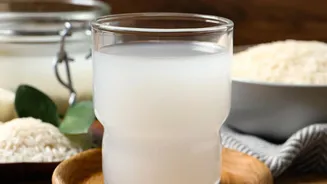
Beyond hair care, a growing trend involves drinking fermented rice water for gut health. Known in some Indian cultures as 'Neeragaram' or 'Pazhaya Kanji', this traditional drink is essentially a natural probiotic. The fermentation process encourages the growth of beneficial bacteria, such as Lactobacillus. These probiotics are believed to support a healthy gut microbiome, which can improve digestion, reduce bloating, and enhance nutrient absorption. Some research suggests that the short-chain fatty acids produced during fermentation have anti-inflammatory properties that can help strengthen the intestinal barrier. Proponents claim it can help with issues like irritable bowel syndrome (IBS) and indigestion. Studies have shown it may improve symptoms like abdominal bloating in IBS patients.
Hype vs. Health: A Word of Caution
While the hair rinse is generally considered low-risk for most people, some dermatologists remain skeptical, stating that the benefits are largely unproven and anecdotal. Dr. Matthew Stephany, a medical director of General Dermatology, notes that while there are few risks, there is also not likely to be any significant benefit. People with sensitive skin or scalp conditions like eczema should be particularly cautious. The risks associated with consuming fermented rice water are more significant. Improperly prepared homemade concoctions can become contaminated with harmful bacteria, posing a risk of foodborne illness. Furthermore, the starchy liquid can cause blood sugar spikes, and its acidity could be problematic for some individuals. Experts recommend consulting a healthcare professional before drinking fermented rice water, especially for those with existing medical conditions, a compromised immune system, or who are pregnant.