
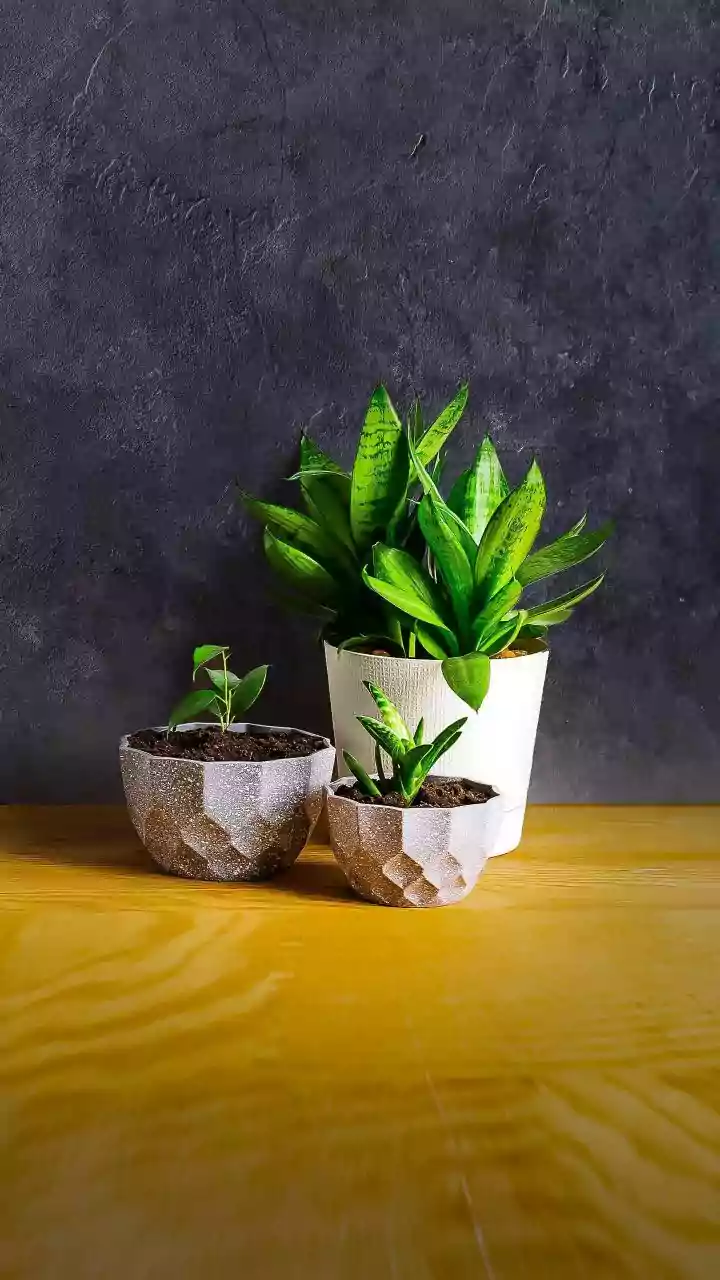



The Science of Green Roommates
The core claim for bedroom plants rests on two main ideas: they purify the air and they release oxygen. Most plants photosynthesize during the day, taking in carbon dioxide and releasing oxygen. But a special group, including snake plants and succulents,
use a different process called Crassulacean Acid Metabolism (CAM). These clever plants open their pores to take in CO2 at night to conserve water. A by-product of their unique cycle is the release of oxygen during the night, which may help to slightly freshen the air in a closed bedroom while you sleep. While the amount of oxygen released is modest, it contributes to a healthier indoor environment.
Nature's Air Filters
Beyond oxygen, certain plants are famed for their ability to filter out common household toxins. A well-known 1989 NASA study found that some plants could remove volatile organic compounds (VOCs) like formaldehyde and benzene from the air in a sealed chamber. These chemicals are often released by synthetic materials found in furniture, paint, and cleaning products. However, it's important to have realistic expectations. More recent studies have noted that you would need a dense jungle of plants in a room to significantly rival a building's natural ventilation. So, while a few plants won't act as a substitute for an air purifier, they can contribute to a cleaner indoor space as part of a broader approach to healthy living.
More Than Just Air: The Calming Effect
Perhaps the most immediate and noticeable benefit of having plants in your bedroom is psychological. The presence of greenery has been shown to reduce stress and anxiety. This connection to nature, sometimes called biophilia, can help create a serene atmosphere conducive to relaxation and sleep. The simple act of caring for a plant—watering it, seeing it grow—can be a meditative ritual that helps you unwind at the end of the day. The visual softness of a plant can also break up the hard lines of a small room, making the space feel more like a sanctuary and less like a box.
Your Bedroom Green Team
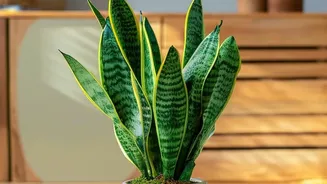
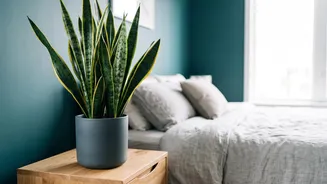
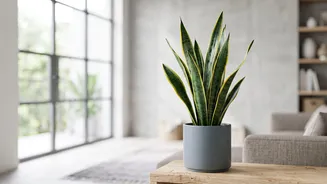
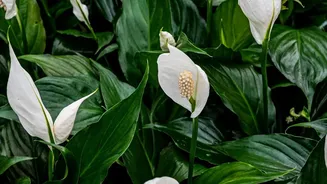
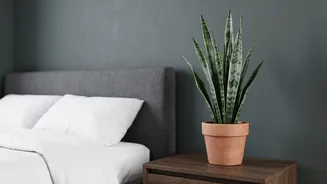
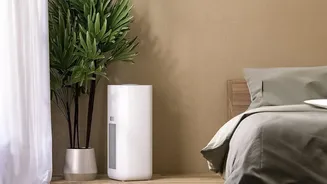
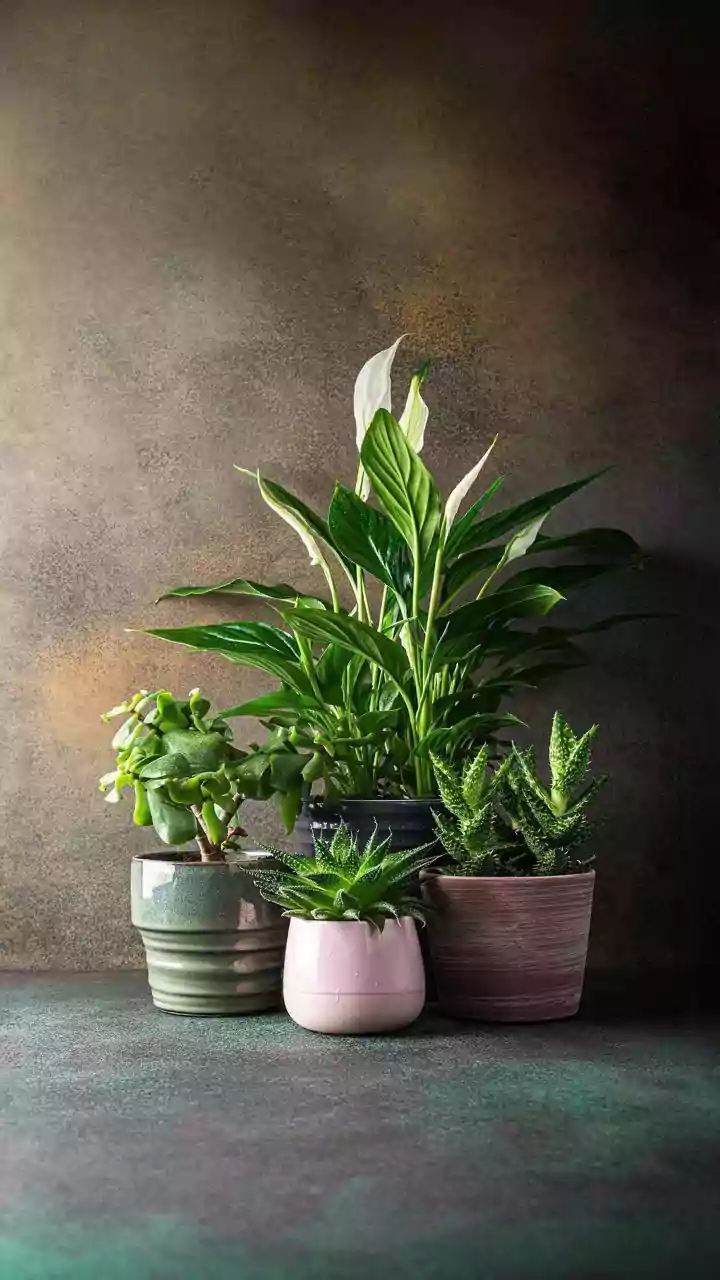
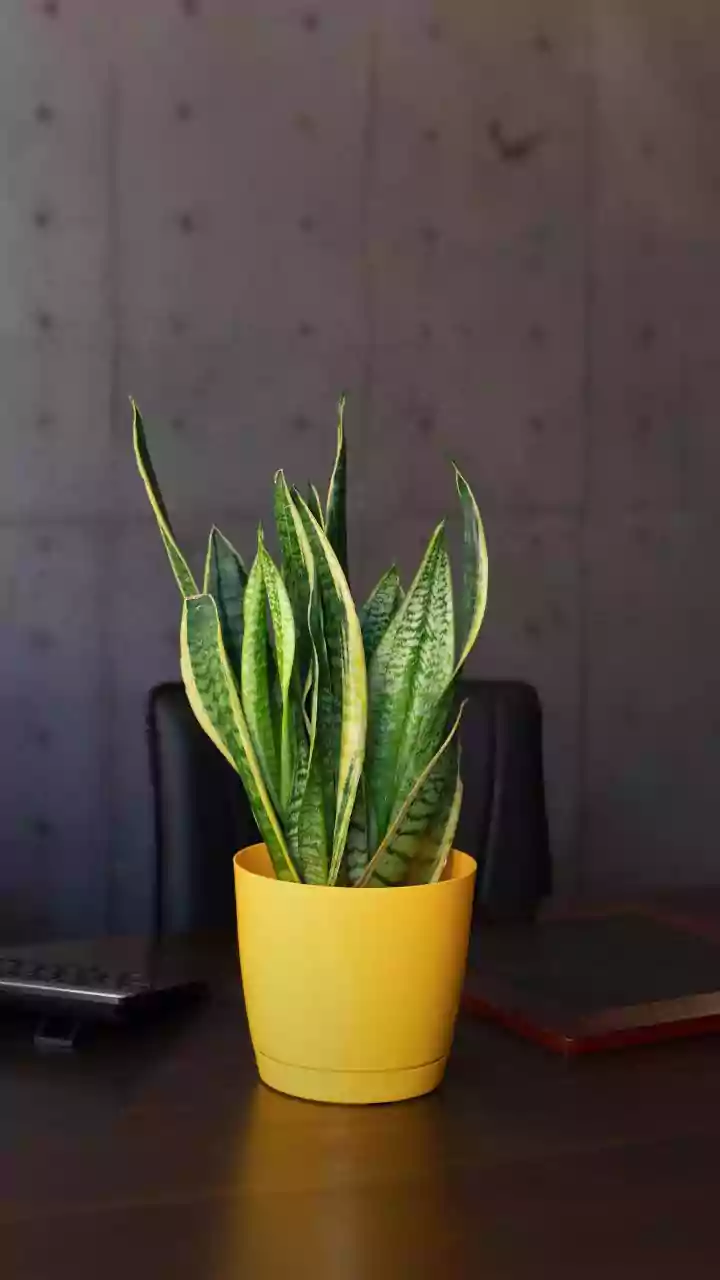
Ready to add some green to your sleep routine? Here are a few low-maintenance champions perfect for Indian homes: Snake Plant (Sansevieria trifasciata): The undisputed star for bedrooms. It's a CAM plant that releases oxygen at night, is a known air purifier, and thrives on neglect. Its upright leaves are perfect for small spaces. Areca Palm: This popular indoor palm is excellent at filtering common toxins and also acts as a natural humidifier, which can be beneficial in dry, air-conditioned rooms. Spider Plant: Easy to care for and great for beginners, the spider plant is particularly effective at removing formaldehyde from the air. It’s also non-toxic, making it a safe choice for homes with pets. Peace Lily: With its elegant white blooms, the Peace Lily is a pro at removing multiple airborne toxins, including ammonia. It prefers lower light conditions, making it ideal for bedroom corners, but should be kept away from pets as it is toxic if ingested.
Making It Work in a Small Room
You don't need to turn your bedroom into a jungle to reap the benefits. In a small room, one or two well-placed plants are enough to create a calming effect. Focus on vertical plants like the Snake Plant to save floor space, or place a trailing plant like a Money Plant (Pothos) on a high shelf. Ensure your pots have good drainage to avoid overwatering and creating unwanted humidity or mold. The key is to choose plants that suit your light conditions and lifestyle. A healthy, thriving plant will always look better and contribute more to your well-being than a struggling one.