





Prioritise Stable Geography
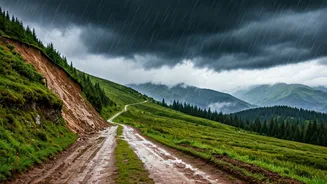
The first step to a safe monsoon trip is choosing the right geography. Many popular Himalayan hill stations like Manali, Shimla, and Mussoorie become vulnerable to landslides and road collapses during heavy rains. [7] The steep slopes and fragile ecology
mean travel can be frequently disrupted. [7] Similarly, places like Darjeeling and Sikkim also face a high risk of landslides, which can block roads and isolate towns. [7, 10] Instead of high-altitude Himalayan regions, consider destinations with more stable terrain. The Western Ghats, for instance, offer lush scenery in places like Lonavala and Mahabaleshwar, though even here, it is wise to check conditions. [19] Safer alternatives often lie in the Deccan Plateau or parts of Rajasthan. [17] Destinations like Mount Abu, Rajasthan's only hill station, or Orchha in Madhya Pradesh offer monsoon beauty with a lower risk profile. [19, 21] These areas receive less intense rainfall and have more gradual, manageable terrain. [7, 17]
Avoid Flood-Prone Regions
Heavy rainfall doesn't just affect mountains; it can overwhelm plains and coastal areas too. States like Assam, with their vast river networks including the Brahmaputra, are annually susceptible to severe floods. [9, 10] Likewise, parts of Odisha can experience cyclones and intense flooding during the monsoon. [16] Even major cities are not immune; Mumbai is notorious for waterlogging that can bring the city to a standstill. [10, 15] When planning, look for destinations that are not in major floodplains or historically flood-prone zones. Opting for a location in a drier zone, such as parts of Rajasthan like Udaipur, allows you to enjoy the pleasant monsoon climate with less risk of being stranded by floods. [18] Kerala, while beautiful in the monsoon, has also experienced severe floods, so it's wise to check forecasts for the specific region, with lowland backwaters sometimes being a safer bet than the hilly areas like Munnar during extreme downpours. [7]
Check Official Weather Advisories
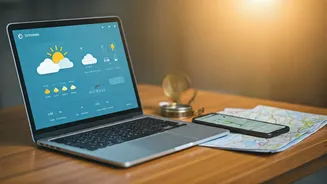
Before and during your trip, make the India Meteorological Department (IMD) your best friend. The IMD provides regular updates, forecasts, and warnings for rainfall, thunderstorms, and cyclones across the country. [22] As of late June 2026, the Southwest Monsoon is active, with heavy rainfall warnings for regions like Konkan, Goa, and coastal Karnataka. [23, 26] These official alerts are crucial for understanding real-time risks. You can use apps like the IMD's 'Mausam' or other reliable weather services to track the forecast not just for your destination, but for your travel route as well. [3] This is especially important for road trips, as a clear destination is useless if the roads to get there are blocked or dangerous. [3, 5] Local authorities also issue advisories, so stay informed about any warnings for the specific districts you plan to visit. [6]
Plan Your Travel and Accommodation Wisely
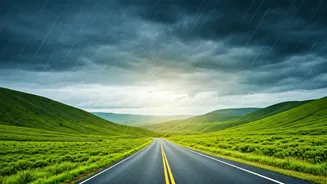
Monsoon travel requires flexibility and caution. Expect delays, whether you're travelling by road, rail, or air, and build buffer time into your itinerary. [3] If you're undertaking a road trip, ensure your vehicle is monsoon-ready: check your tyres, brakes, and wipers. [5] Drive slowly on wet roads, maintain a safe distance from other vehicles, and avoid driving through waterlogged areas. [2, 11] When booking accommodation, consider its location and structure. A hotel on a steep, unstable hillside is a poor choice. Look for properties with good drainage, reliable power backup (power cuts are common), and safe, accessible roads. [14] It's also wise to book stays with flexible cancellation policies in case weather conditions force a change of plans. [3]
Pack for Health and Safety
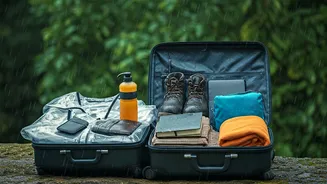
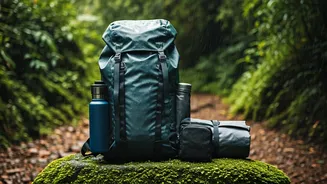
Your packing list for a monsoon trip should prioritise health and safety over style. Pack lightweight, quick-drying synthetic clothes, a reliable raincoat, and waterproof footwear. [4] A crucial addition is a first-aid kit with basic medicines for colds, fever, and stomach ailments. [8, 12] Food and waterborne diseases are more common during the monsoon, so be cautious about what you eat and drink. Avoid street food that may be contaminated and stick to bottled or boiled water. [4, 8] Mosquitoes are also rampant, so an effective insect repellent is essential to protect against diseases like dengue and malaria. [6, 12] Finally, protect your electronics by carrying them in waterproof bags or ziplock pouches. [4]