



Understanding September's Weather
September is a transitional month for weather in India. The Southwest Monsoon, which drenches most of the country from June to August, begins its gradual retreat. This withdrawal doesn't happen all at once. It starts from the northwest, meaning places
like Rajasthan and Delhi become progressively drier as the month goes on. Meanwhile, southern and eastern states like Kerala, Goa, and West Bengal may still experience significant, though lessening, rainfall. This creates a unique travel window: you can experience the vibrant, post-monsoon greenery or opt for drier, sunnier climes, all within the same month. The key is to align your destination with the weather you prefer.
For Dry Days and Clear Skies: The North
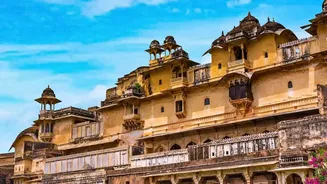
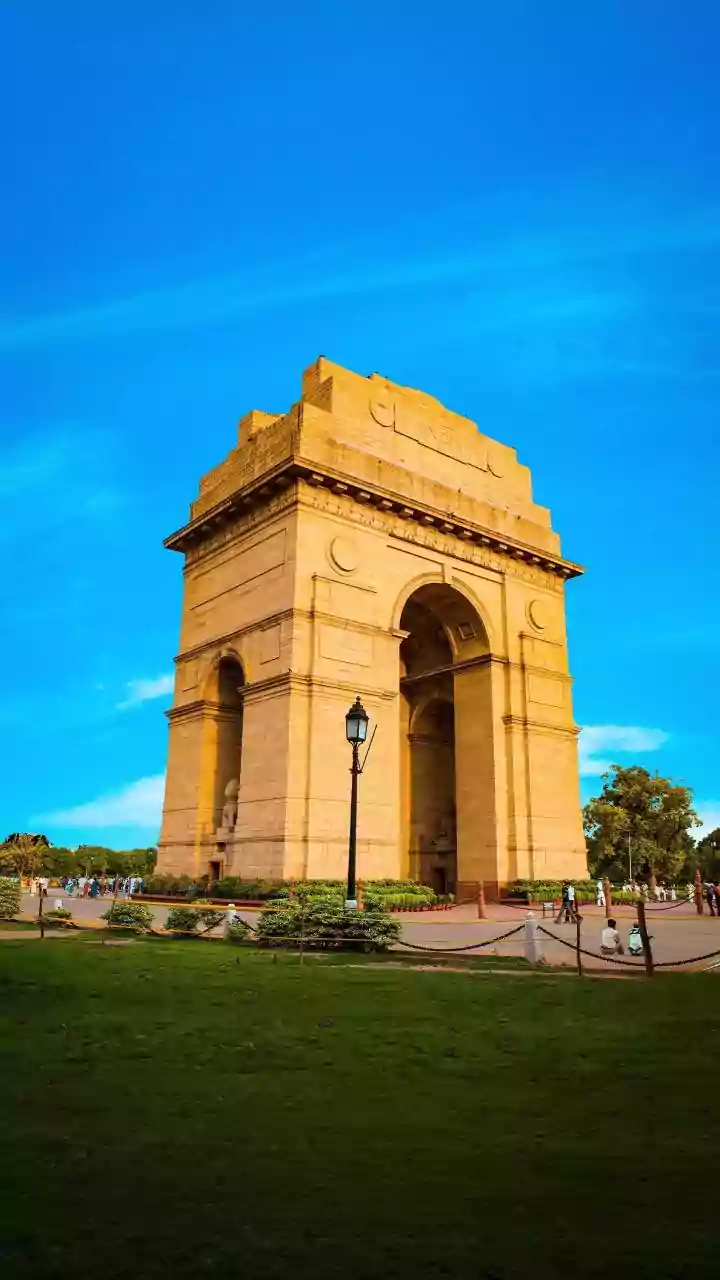
If you want to avoid rain altogether, your best bet is the northernmost part of the country. By September, the monsoon has typically withdrawn from Rajasthan, Punjab, and the surrounding areas. This makes it an excellent time to explore the cities of the Golden Triangle—Delhi, Agra, and Jaipur—without the scorching heat of summer or the peak-season crowds of winter. The countryside, especially in places like Bundi and Udaipur in Rajasthan, is still brilliantly green from the recent rains, and lakes are full to the brim. For the truly adventurous, high-altitude deserts like Spiti Valley in Himachal Pradesh and Ladakh are perfect. Roads are clear of monsoon blockages, the air is crisp, and the dramatic landscapes are fully accessible before the harsh winter sets in.
For Lush Landscapes and Last Showers: The South and West
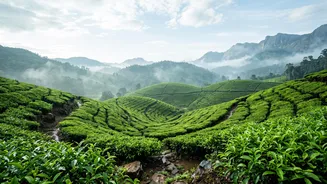
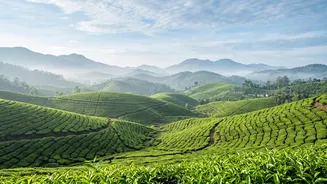
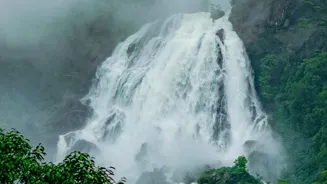
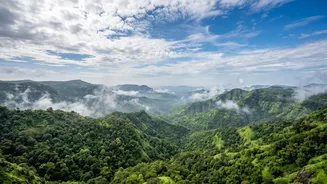
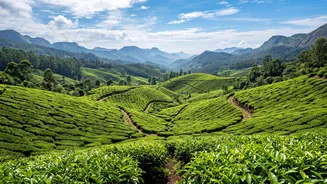
For those who love the romanticism of the monsoon, September offers a gentler version. In the Western Ghats, hill stations like Coorg and Chikmagalur in Karnataka, Munnar in Kerala, and Ooty in Tamil Nadu are breathtakingly lush. The rains are less intense than in July and August, giving way to misty mornings and pleasant afternoons perfect for enjoying the scenery. Waterfalls like Abbey Falls in Coorg are at their most powerful. While coastal areas in Goa and Kerala still see rain, the downpours are more intermittent, and you can often find great deals on accommodation as it's considered the shoulder season. It's a fantastic time for a quiet retreat focused on nature, with the smell of wet earth and fresh coffee from the plantations filling the air.
For Nature's Spectacle: The Blooming Plateaus
September is a special month for nature lovers in certain parts of India, thanks to unique seasonal events. The most famous is the flowering of the Kaas Plateau in Maharashtra, a UNESCO World Heritage Site. For a few weeks after the monsoon, this lateritic plateau transforms into a carpet of over 850 species of wildflowers, a stunning display of pink, purple, and yellow. Similarly, the Ziro Valley in Arunachal Pradesh is another gem, known for its vibrant green rice paddies and the famous Ziro Festival of Music that often takes place this month. These destinations offer a chance to witness nature's grand, fleeting spectacle, made possible only by the preceding monsoon rains.
What to Pack and Keep in Mind
Packing for a September trip requires a bit of strategy. For northern destinations like Rajasthan or Ladakh, pack light cottons for the day and a warm layer for the cooler nights. For the south and west, a waterproof jacket and quick-drying footwear are essential to handle occasional showers. Trails can be slippery, so good grip shoes are a must if you plan on trekking. Since this month is largely considered a shoulder season, you'll benefit from fewer crowds and lower prices at popular spots. However, be aware that some national parks, like Ranthambore, may remain closed until October, so check ahead if wildlife safaris are on your agenda.