




Understanding Vietnam's Off-Peak Seasons
Vietnam is a long, narrow country with three distinct climate zones, meaning the 'off-peak' season isn't one single period. For Indian travellers, the shoulder seasons from April to June and September to November are generally considered the most budget-friendly
times to visit. The peak tourist months are typically from December to March, when the weather is driest and coolest, and also July and August. To truly strategise, you must plan by region. The north (Hanoi, Ha Long Bay) is best avoided from May to August due to heat and rain, making autumn (September to November) a great off-peak window. Central Vietnam (Da Nang, Hoi An) has its rainy season from September to January, so its shoulder months are different. The south (Ho Chi Minh City, Mekong Delta) is warm year-round, with its wet season from May to November.
How Much Can You Really Save?
The claim of saving 'thousands' is entirely realistic, especially when dealing with international flight prices from India. While peak season round-trip tickets on budget airlines can range from ₹25,000 to ₹40,000 or more, booking during the off-season can bring those prices down significantly. Travellers who book in advance for travel during months like May, June, or September can often find return fares in the ₹18,000 to ₹30,000 range. With some luck and flexibility, promotional fares can dip even lower. These savings can easily amount to ₹10,000-₹15,000 per person, which quickly adds up to tens of thousands for a couple or family. The key is booking about two to three months in advance and being flexible with your travel dates, as flying on a Tuesday or Wednesday is often cheaper than on weekends.
The Monsoon Myth: A Blessing in Disguise
The primary reason for lower prices during the off-peak months is the monsoon, or rainy season. However, this doesn't mean your entire holiday will be a washout. In many parts of Vietnam, especially the south, the rain often comes in short, heavy, and predictable afternoon downpours, followed by a return to sunshine. These brief showers can provide a welcome respite from the tropical heat and humidity. The countryside becomes incredibly lush and green during this time, with rice paddies at their most vibrant and waterfalls at their most powerful. Instead of a constant drizzle, think of it as a dramatic daily event that you can easily plan around, perhaps by scheduling a museum visit or a relaxing coffee break during that time.
Fewer Crowds, More Authentic Experiences
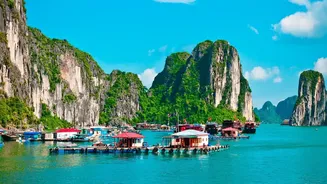
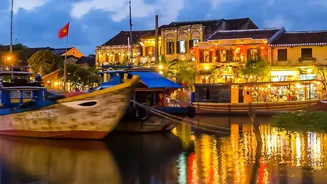
One of the greatest advantages of travelling off-peak is the absence of large crowds. Imagine exploring the ancient town of Hoi An or cruising through Ha Long Bay without having to jostle for space. With fewer tourists, you're likely to receive better, more personal service from hotels and tour operators. This quieter atmosphere allows for a more immersive cultural experience, giving you a chance to observe local life without the filter of mass tourism. You can engage more deeply with the local culture, from witnessing how people navigate the rain on their scooters to enjoying popular attractions at a slower, more relaxed pace. This often leads to a more memorable and authentic journey.
Savings Beyond Your Flight Tickets
The financial benefits of off-peak travel extend far beyond just airfare. Accommodation prices for hotels and resorts often see significant discounts during the low season. Tour operators, activity providers, and even some restaurants may offer promotional rates to attract visitors. Domestic flights within Vietnam, a popular way to travel between the north, central, and south regions, also tend to be cheaper. These cumulative savings on the ground mean your overall trip budget can be stretched much further. The money saved on a flight could be reallocated to a memorable cooking class, a luxury cruise, or simply more delicious bowls of pho.