

The Vibe: Polished Wellness vs. Rustic Bohemian
The first thing to understand is that Varkala, in Kerala, and Gokarna, in Karnataka, offer two very different atmospheres. Varkala has a more developed, wellness-oriented feel. Its famous North Cliff is a paved promenade lined with stylish cafes, yoga
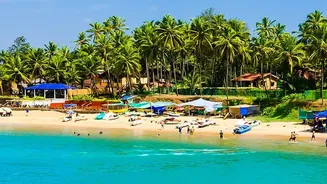
studios, and Ayurvedic treatment centres. The crowd here often consists of couples, wellness travellers, and remote workers who appreciate a certain level of comfort and convenience. It’s laid-back, but polished. Gokarna, on the other hand, retains a rawer, backpacker-and-pilgrim charm. For centuries, it has been a significant Hindu pilgrimage site, centred around the ancient Mahabaleshwar Temple. This spiritual identity now coexists with a low-key, bohemian beach culture. The vibe is less about boutique cafes and more about simple beach shacks, bonfires, and a feeling of being slightly off the beaten path.
The Landscape: Dramatic Cliffs vs. A Chain of Coves
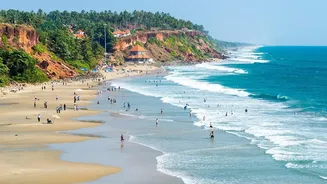
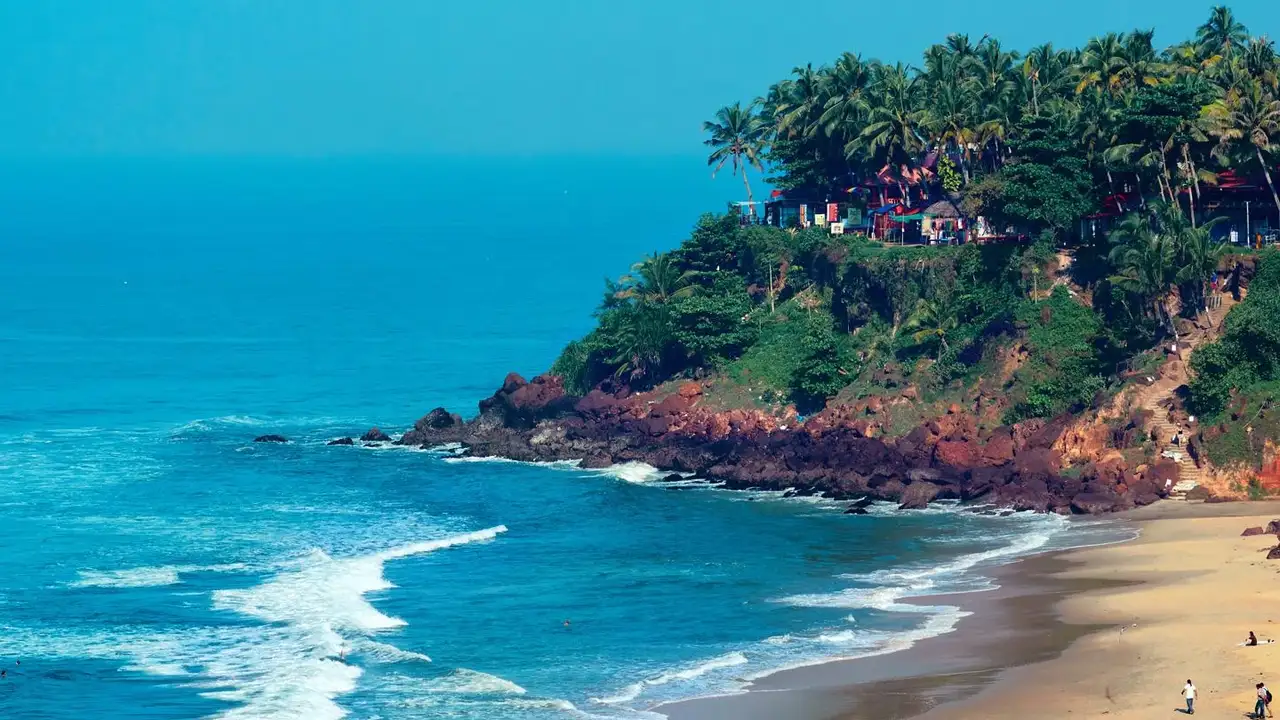
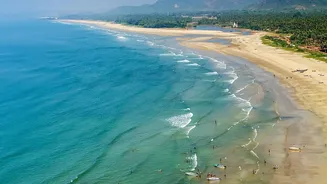
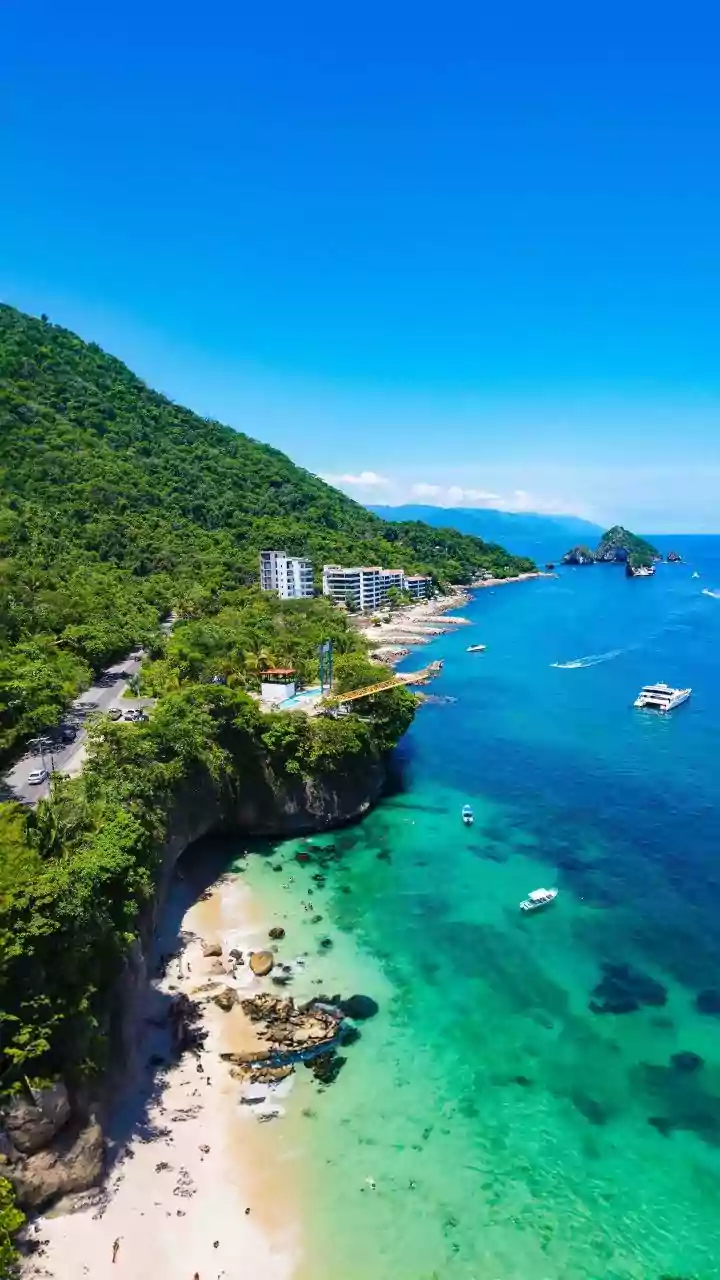
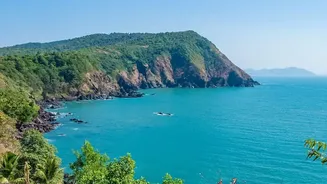
Both destinations are famed for their cliffs, but the landscapes are structured differently. Varkala's defining feature is its singular, dramatic laterite cliff that runs along Papanasam Beach, a designated National Geological Monument. Almost all the action—restaurants, shops, and guesthouses—is concentrated on this one long strip, offering spectacular, panoramic views of the Arabian Sea from nearly everywhere. It’s a compact and easily walkable setup. Gokarna’s coastline is more spread out and requires a bit more effort to explore. It’s a series of distinct beaches, including Kudle, Om, Half Moon, and Paradise, which are often connected by trekking trails over lush headlands or by short boat rides. This setup is perfect for the adventurous couple who enjoys hiking to find a more secluded patch of sand. The cliffs are greener and less severe than Varkala’s, creating a sense of discovering hidden coves.
Activities: Ayurvedic Healing vs. Beach Trekking
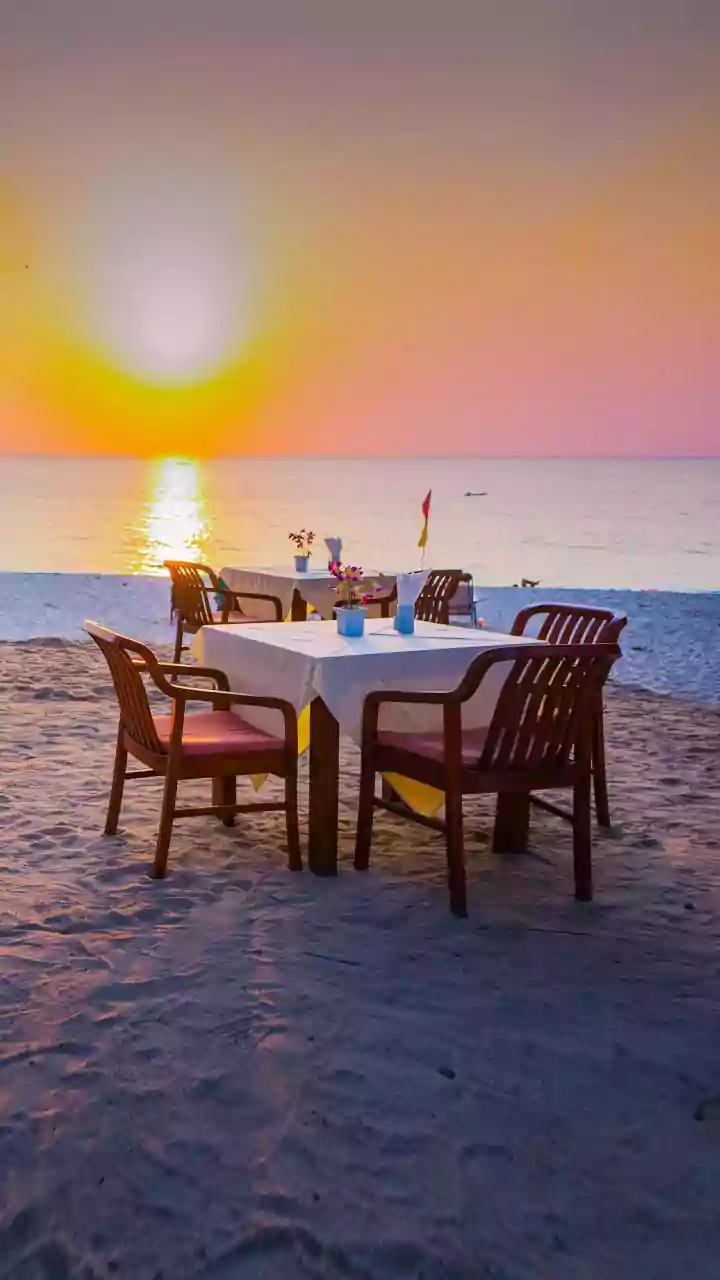
In Varkala, activities often revolve around relaxation and rejuvenation. The town is a hub for yoga retreats and Ayurvedic treatments, with numerous centres offering everything from single classes to intensive programmes. Beyond wellness, couples can explore the 2,000-year-old Janardhana Swamy Temple, visit the Sivagiri Mutt spiritual centre, or take a quiet kayaking trip through nearby mangrove forests. The evenings are about finding the perfect cliff-top spot to watch the sunset. Gokarna's primary activity is arguably the beach trek itself. The trail connecting the main beaches offers stunning views and a sense of accomplishment. The town is fundamentally a spiritual centre, and a visit to the Mahabaleshwar Temple is a must to understand its cultural core. Water sports like surfing, banana boat rides, and snorkeling are popular at Om Beach, and the overall feel is more geared towards active exploration than serene repose.
Food and Stays: Cliff-Top Dining vs. Beach Shack Simplicity
When it comes to dining and accommodation, the destinations again show their distinct characters. Varkala boasts a long line of restaurants along the North Cliff, offering a wide array of cuisines from fresh Kerala seafood and wood-fired pizzas to international fare and quality coffee. Accommodation ranges from budget guesthouses to comfortable mid-range hotels and luxury villas, many offering stunning sea views. Gokarna’s food scene is simpler and more affordable. It’s dominated by beach shacks on Kudle and Om beaches, serving fresh seafood, thalis, and backpacker favourites. While there are now more hostels and guesthouses, many travellers opt for rustic beach huts where amenities like consistent hot water might be a trade-off for waking up just steps from the waves. The town itself offers excellent and simple vegetarian food, catering to the pilgrims who visit.