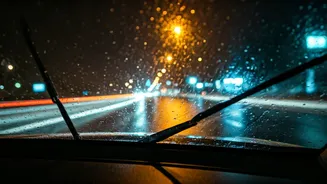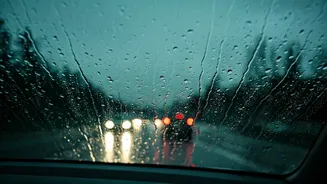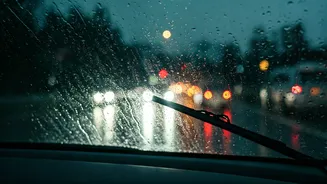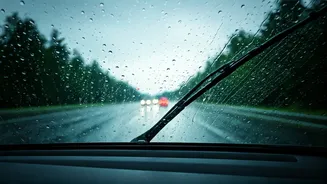






The Twin Dangers: Reduced Visibility and Traction
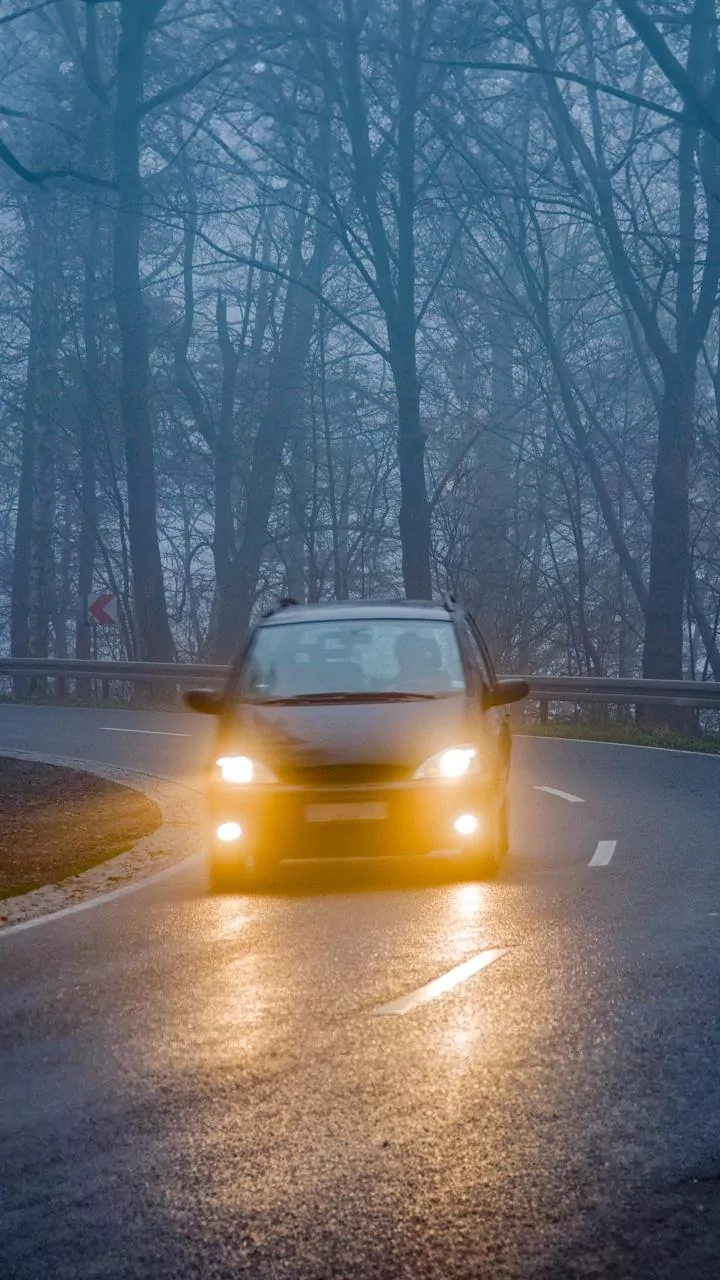
The primary reason driving in the rain at night is so hazardous is the dual attack on your senses and your car's grip. Rain-splattered windshields distort light, while wet roads create intense glare from oncoming headlights and streetlights, reducing
contrast and making it harder to judge distances. [10] Visibility is further hampered as rain can obscure road markings, and spray from other vehicles, especially large trucks, can momentarily blind you. [10, 25] Simultaneously, water on the road creates a barrier between your tyres and the asphalt, drastically reducing traction. [13] This can lengthen your braking distance by two to three times compared to dry conditions. [1] The most dangerous period is often the first 10-15 minutes of a light rain, as the water mixes with oil and dust on the road, creating an exceptionally slick surface. [2, 4]
The Invisible Threat of Hydroplaning
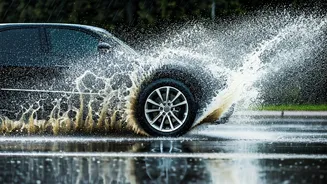
Hydroplaning, or aquaplaning, is one of the most frightening experiences a driver can have. It happens when your tyres encounter more water than they can channel away, causing them to lose contact with the road and skim across a thin film of water. [2, 12] The result is a complete loss of steering, braking, and power control. [2] This can occur at speeds as low as 55 km/h (35 mph) if there's enough water on the road. [4, 9] Worn tyres with shallow tread depth are far more susceptible because their grooves can't effectively disperse water. [4, 5] To avoid it, slow down significantly on wet roads, steer clear of puddles and standing water, and try to drive in the tracks left by the cars ahead of you. [2, 9] It is also crucial to turn off cruise control in wet conditions to ensure you have immediate and full control over your vehicle's speed. [2, 8]
Your Pre-Drive Safety Checklist
Safety begins before you even start the engine. A few simple checks can make a world of difference. First, inspect your tyres. Ensure they have adequate tread depth and are inflated to the manufacturer's recommended pressure. [1, 5, 7] Next, check your equipment for visibility. Test your windshield wipers; if they leave streaks or skip across the glass, replace them. [6, 8, 14] Ensure all your lights—headlights, taillights, brake lights, and turn signals—are clean and functioning perfectly. [1, 15] During rain, even in the daytime, using your low-beam headlights makes you more visible to others. [3, 8] Finally, test your defogger and air conditioning system to make sure you can combat window condensation, which quickly builds up in humid, rainy weather. [1, 10, 14]
On-Road Tactics for a Safer Journey
Once you're on the move, adjust your driving style for the conditions. The single most important action is to reduce your speed. [3, 7] This gives you more time to react and helps your tyres maintain contact with the road. [5] Double your following distance from the vehicle in front to at least four to five seconds. [8, 18] Avoid sudden movements; make all your steering, acceleration, and braking inputs as smooth and gentle as possible to prevent loss of traction. [3, 7] Be extra vigilant for hidden hazards like potholes concealed by puddles, or pedestrians and cyclists who are much harder to see at night in the rain. [6, 30] If the rain becomes so heavy that you can't see the edges of the road or the vehicle ahead, it's time to pull over. Find a safe spot well away from the traffic lanes, turn on your hazard lights, and wait for the storm to subside. [3]