

A Return to Earthy Authenticity
For years, the ideal modern kitchen was a study in sleek minimalism—glossy white surfaces, stainless steel, and cool, clean lines. But now, a significant shift is underway, driven by the values of Generation Z. This demographic, raised in a hyper-digital
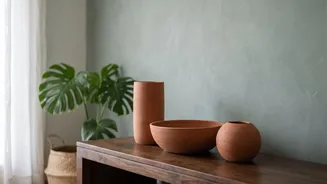
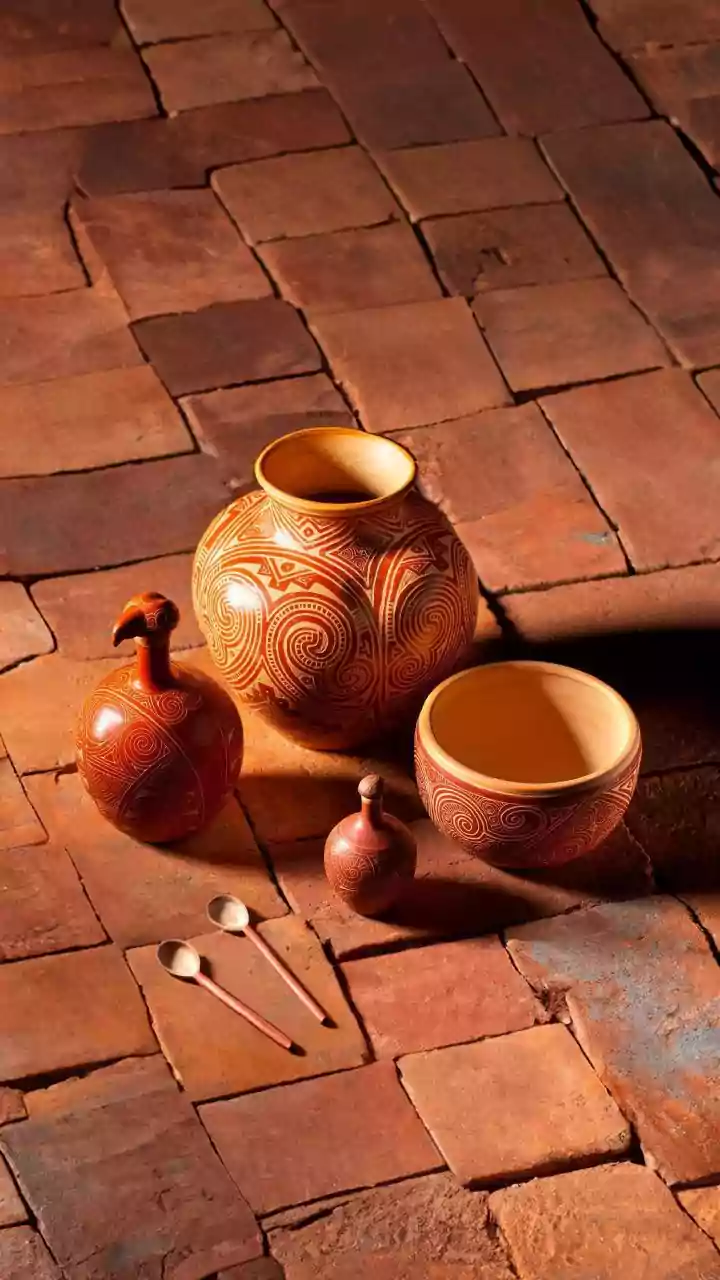
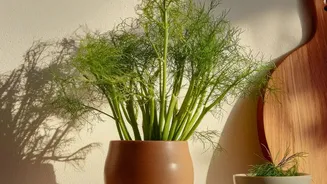
world, is increasingly seeking tangible, authentic connections in their physical spaces. The kitchen, more than any other room, is being reimagined as a place of warmth and grounding. Enter terracotta, the unglazed, reddish-brown earthenware that has been a staple in Indian households for centuries. Its earthy tones and natural texture are the perfect antidote to the coldness of mass-produced minimalism, offering a sense of calm and a connection to nature.
The Beauty of the Human Touch
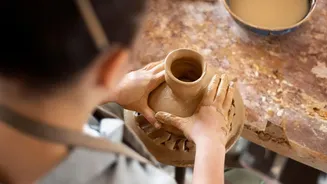
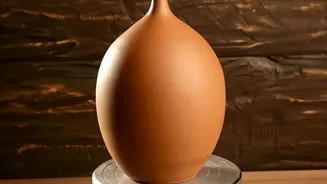
This trend is about more than just a colour palette; it's about a conscious choice to favour craftsmanship over factory production. Gen Z decorators are drawn to handcrafted items, where the slight variations in shape, texture, and finish are not seen as flaws, but as marks of character and uniqueness. Unlike mass-produced plastic or melamine, a handmade terracotta pot tells a story. It carries the touch of the artisan who made it. This appreciation for artisanal goods reflects a broader generational move toward more thoughtful consumption—buying fewer, but better, things that feel meaningful and are built to last. It's a quiet rebellion against the fast-paced, disposable culture they grew up in.
More Than Just a Water Pot
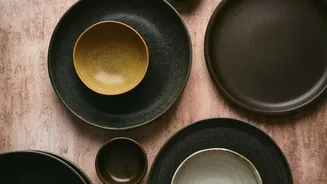
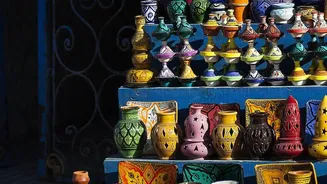
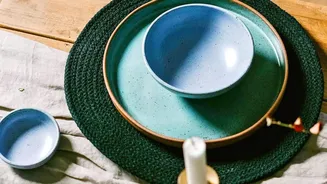
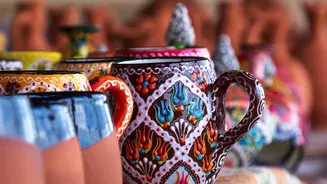
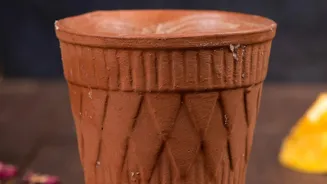
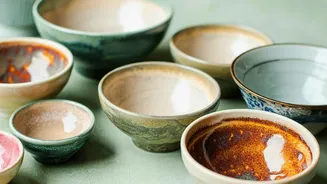
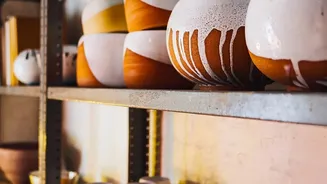
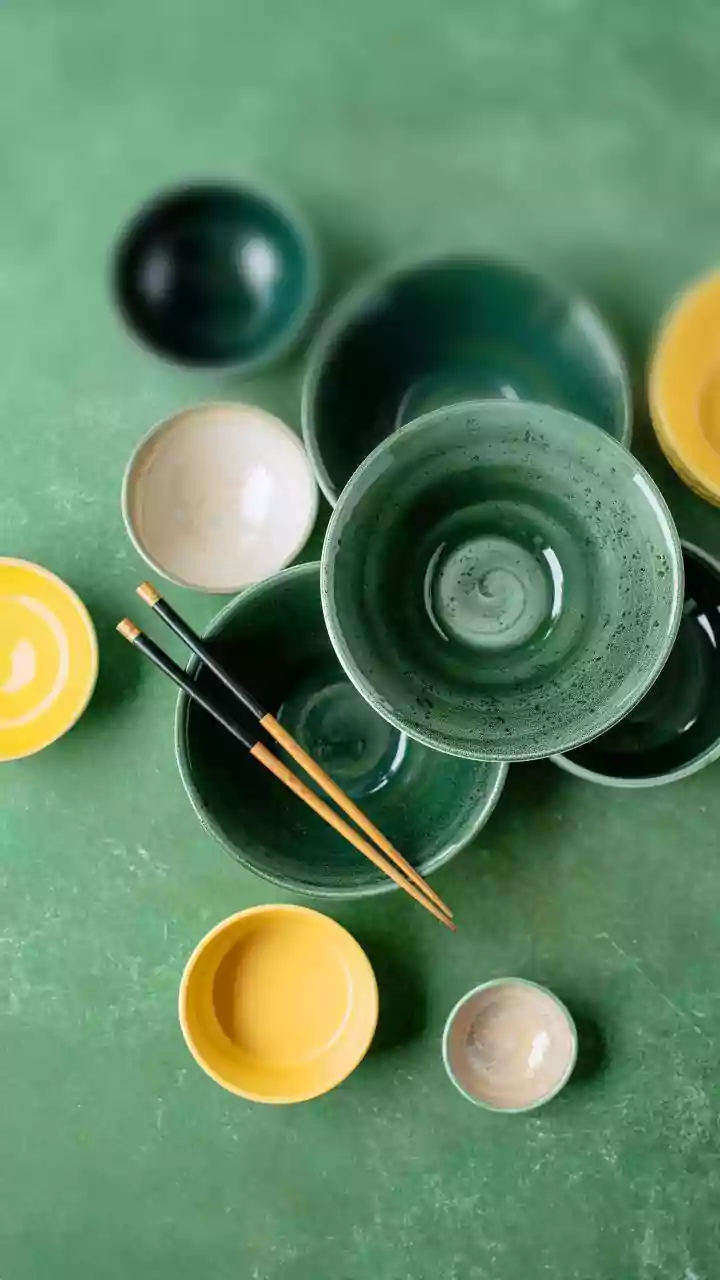
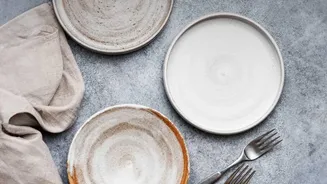
While the classic terracotta matka for cooling water is an iconic image, Gen Z's embrace of this material in the kitchen is far more expansive. We're seeing a revival of terracotta in various forms, seamlessly blended into modern culinary life. Hand-thrown dinner plates, bowls, and serving platters add a rustic elegance to the dining table. Clay cooking pots, or handis, are gaining renewed attention for their ability to distribute heat evenly and enhance the flavour of slow-cooked dishes. Even everyday items like storage jars for spices, kulhads for tea, and decorative planters are bringing this earthy material into every corner of the kitchen, proving its versatility beyond traditional uses.
Sustainability Meets Enduring Style
A key driver behind Gen Z's choices is a strong sense of environmental responsibility. Terracotta aligns perfectly with this value system. It is a natural, biodegradable material sourced directly from the earth, making it an inherently sustainable choice compared to plastics and other synthetic materials. The process of making terracotta has a lower carbon footprint, and the final products are non-toxic and chemical-free, promoting a healthier home environment. By choosing terracotta, young consumers are making a statement that style and sustainability can, and should, go hand in hand. This isn't just a fleeting trend but a long-term investment in products that are both planet-friendly and timeless.
Curated for the 'Gram, Loved in Real Life
It’s impossible to ignore the role of social media in shaping modern aesthetics. Platforms like Instagram and Pinterest are flooded with images of beautifully curated, warm, and inviting interiors. The rich, reddish-brown hue of terracotta is incredibly photogenic, fitting perfectly within popular online aesthetics like 'cottagecore' and 'earthy minimalism'. However, this trend goes deeper than just online appeal. For a generation that documents their lives visually, creating a home that is both a personal sanctuary and an expression of their identity is paramount. Terracotta helps them craft a narrative—a story of heritage, sustainability, and a return to what feels real and grounded.