


More Than Just a Bright Idea
The movement towards upcycled lighting is driven by a powerful combination of eco-consciousness and a desire for personalization. In an age of mass-produced decor, creating something with your own hands offers a unique story and a sense of accomplishment
that money can't buy. This trend turns everyday waste into one-of-a-kind treasures, reducing landfill contributions and conserving resources. By repurposing materials, you not only save money but also infuse your home with character and authenticity. It’s a direct response to “fast furniture” culture, prioritizing longevity and personal style over fleeting trends. Every handmade lamp tells a story, making your decor a true reflection of your creativity and values.
Glass Bottles: From Trash to Treasure
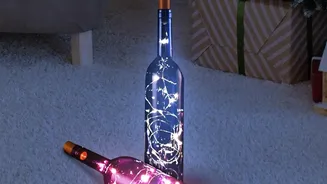
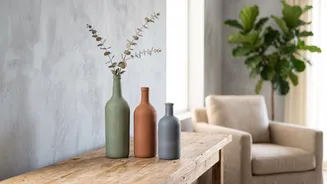
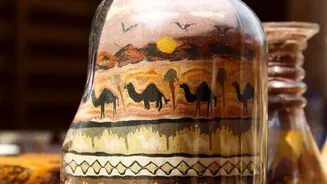
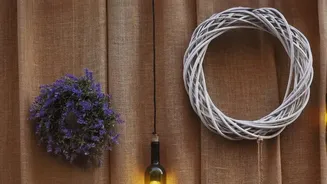
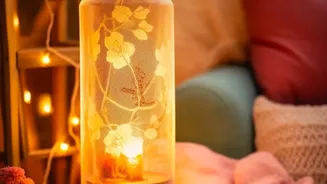
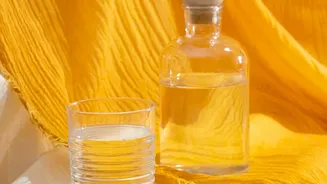
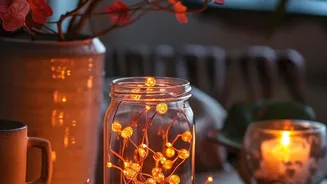
Empty wine, gin, or even small condiment bottles are the perfect candidates for stunning light features. The simplest and most popular method involves inserting a string of battery-operated fairy lights into a clean, dry bottle for an instant, magical glow. These are perfect for creating a cozy ambiance on a bookshelf, mantel, or as a centerpiece. For those feeling more adventurous, DIY kits allow you to convert a bottle into a proper table lamp or a hanging pendant light. You can also get creative with the exterior by painting the glass, wrapping it in twine for a rustic look, or using decoupage techniques with floral napkins to create a vibrant, artistic piece.
Fabric Scraps: Weaving New Life
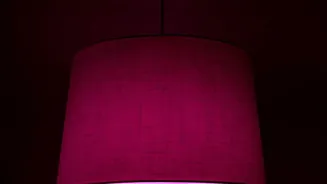
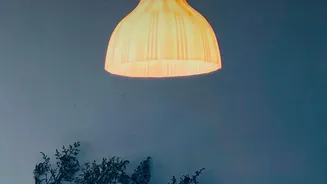
That pile of fabric remnants from old projects holds incredible potential for lighting makeovers. Upcycling fabric is an excellent way to add color, texture, and personality to a room, and lampshades are the perfect canvas. You can give an old, tired lampshade a completely new identity by wrapping it in fabric strips. For a bohemian or shabby-chic look, try tearing fabric into strips and tying them onto a wire lampshade frame until it's full and textured. More intricate projects might involve sewing together a patchwork of different scraps to create a Victorian-style shade that is totally unique. This approach not only prevents textile waste but results in a soft, diffused light and a beautiful statement piece.
Getting Started on Your First Project
Jumping into this trend doesn't have to be intimidating. Start with a simple, high-impact project. The easiest is the classic bottle-with-fairy-lights. Just clean a bottle, remove the label, and feed a string of lights inside, concealing the battery pack with a cork or decorative stopper. Another beginner-friendly idea is the fabric-wrapped lampshade. Find a basic, plain lampshade at a thrift store, choose your fabric, and use a strong adhesive to wrap and secure the material around the frame. You can trim the edges cleanly or leave them frayed for a more rustic aesthetic. These small projects deliver immediate satisfaction and build the confidence to try more complex designs later on.
Safety and Essential Tools
While most of these projects are straightforward, safety should always come first. When using plug-in lights or wiring kits, ensure you follow all instructions carefully. It's often safer and easier for beginners to use battery-operated LED lights, as they don't generate heat and remove any electrical risk. If your project involves cutting glass, which is a more advanced technique, be sure to use a proper glass-cutting drill bit and wear protective gloves and eyewear. For fabric shades, use LED bulbs to minimize heat and reduce any fire hazard, especially with looser, woven designs. A few basic tools like a hot glue gun, sharp scissors, and craft glue will be invaluable for most of these creative endeavors.