





What Exactly is the 'No-Fuel' Rule?
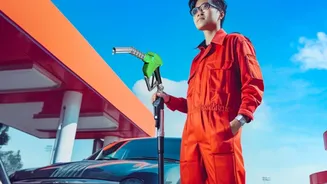
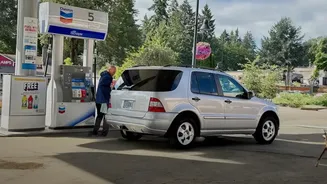
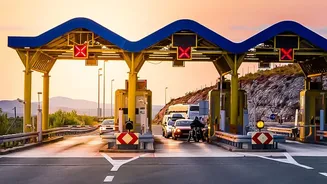
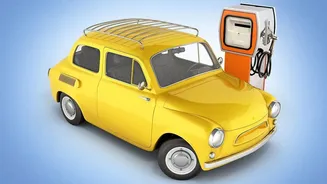
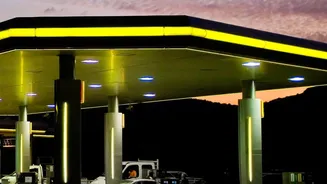
Starting from October 1, 2026, fuel stations across Delhi and the National Capital Region (NCR) are mandated to deny petrol, diesel, and CNG to any vehicle that does not have a valid Pollution Under Control (PUC) certificate. This measure is part of the broader
Graded Response Action Plan (GRAP), a set of emergency steps activated to combat rising air pollution levels during the winter months. To enforce this, many fuel pumps are being equipped with Automatic Number Plate Recognition (ANPR) cameras that will automatically check a vehicle's registration number against a central database to verify its PUC status before fuel is dispensed.
Understanding the PUC Certificate
A Pollution Under Control (PUC) certificate is a document issued by the government that certifies a vehicle's emissions are within the legally permissible limits. It is mandatory for all vehicles on Indian roads under the Central Motor Vehicles Rule, 1989. For new cars, the first certificate is valid for one year, after which it must be renewed at regular intervals. The test measures pollutants like carbon monoxide and hydrocarbons to ensure the vehicle is not contributing excessively to air pollution. Driving without a valid PUC certificate is a punishable offence, attracting a hefty fine of up to ₹10,000, imprisonment for up to six months, or both.
Who is Affected by This Rule?
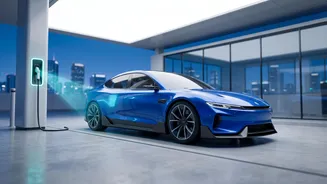
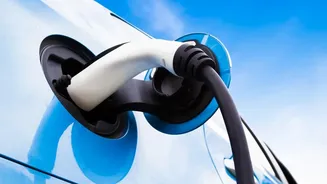
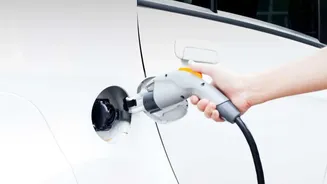
This rule applies to all types of private and commercial vehicles, including two-wheelers, cars, and trucks that run on petrol, diesel, or CNG. While initially enforced in Delhi, the rule has been extended to the wider NCR region, including districts in Haryana and Uttar Pradesh like Gurgaon, Noida, Ghaziabad, and Faridabad. Authorities in these states have been directed by the Commission for Air Quality Management (CAQM) to ensure strict compliance. The only vehicles exempt from needing a PUC certificate are electric vehicles, as they have zero tailpipe emissions.
How to Get or Renew Your PUC
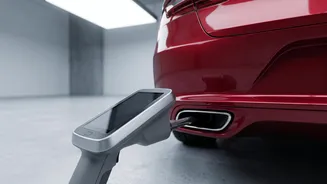
Obtaining or renewing a PUC certificate is a straightforward process. You must take your vehicle to a government-authorized emission testing centre. These centres are widely available, often located at petrol pumps and authorized workshops. The test itself is quick, involving an analysis of the vehicle's exhaust fumes. The cost is nominal, and upon successful completion, a computerized certificate is issued. You cannot renew a PUC certificate online, as a physical test of the vehicle is required. However, you can download a digital copy of your valid certificate from the official Parivahan website.
Why Is This Happening Now?
The timing of this strict enforcement is directly linked to the onset of winter. During this season, a combination of factors including lower temperatures, slower wind speeds, and smoke from stubble burning in neighbouring states leads to a sharp deterioration in Delhi-NCR's air quality. Vehicular pollution is a major contributor to the city's toxic air. By ensuring that a larger number of vehicles comply with emission norms, authorities hope to mitigate one of the key local sources of pollution. This 'No PUC, No Fuel' policy is a pre-emptive measure to prevent the Air Quality Index (AQI) from reaching the 'Severe' or 'Hazardous' levels that have become common in recent years.