




The Silky Secret to Rich Curries
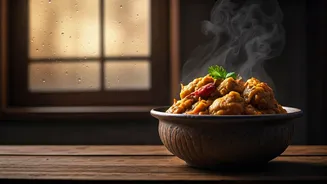
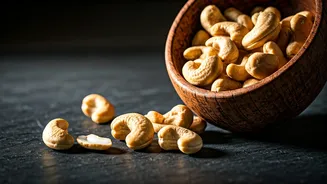
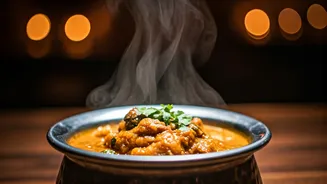
One of the most ingenious uses of cashews in Indian cooking is as a thickening and enriching agent. When soaked and ground into a fine paste, cashews create a luxuriously creamy base for gravies, all without the heaviness of dairy cream. This technique
is a cornerstone of Mughlai and North Indian cuisine, responsible for the velvety texture of iconic dishes like Shahi Paneer, Navratan Korma, and Malai Kofta. The cashew paste doesn't just add body; it imparts a subtle, nutty sweetness that balances the spices and creates a complex, layered flavour profile that is hard to achieve otherwise. It’s the secret behind that restaurant-quality richness many of us crave.
The Diamond of the Mithai Box
No discussion of cashews in India is complete without paying respects to Kaju Katli. This beloved sweet, often called the 'diamond of Indian sweets', places the cashew front and center. Made from a simple, elegant mixture of finely powdered cashews and sugar syrup, its melt-in-the-mouth texture is legendary. Believed to have originated in the royal Mughal kitchens, the use of cashews was a symbol of opulence and luxury. Today, it’s a festive staple, especially during Diwali, where its distinctive diamond shape, often adorned with edible silver leaf (vark), signifies prosperity and celebration. While many sweets rely on milk or ghee, Kaju Katli’s magic comes purely from the cashew itself, making it a naturally vegan-friendly treat.
The Savoury Star of the Show
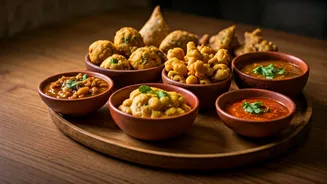
In some dishes, the cashew isn’t just a background player; it’s the main event. A prime example is the famed Goan cashew curry, known locally as Kaju Tonak or Bibyache Tonak. This celebratory dish, often served at weddings, uses tender, young cashews cooked in a flavourful and spicy coconut-based gravy. The result is a unique curry where the cashews are soft yet retain a slight bite, absorbing all the aromatic spices. Beyond curries, cashews are spiced and roasted to create Masala Kaju, an addictive snack that’s a world away from a simple salted nut. They are fried in ghee and tossed into everything from chivda mixes to namkeens, adding pockets of rich crunchiness.
The Royal Garnish
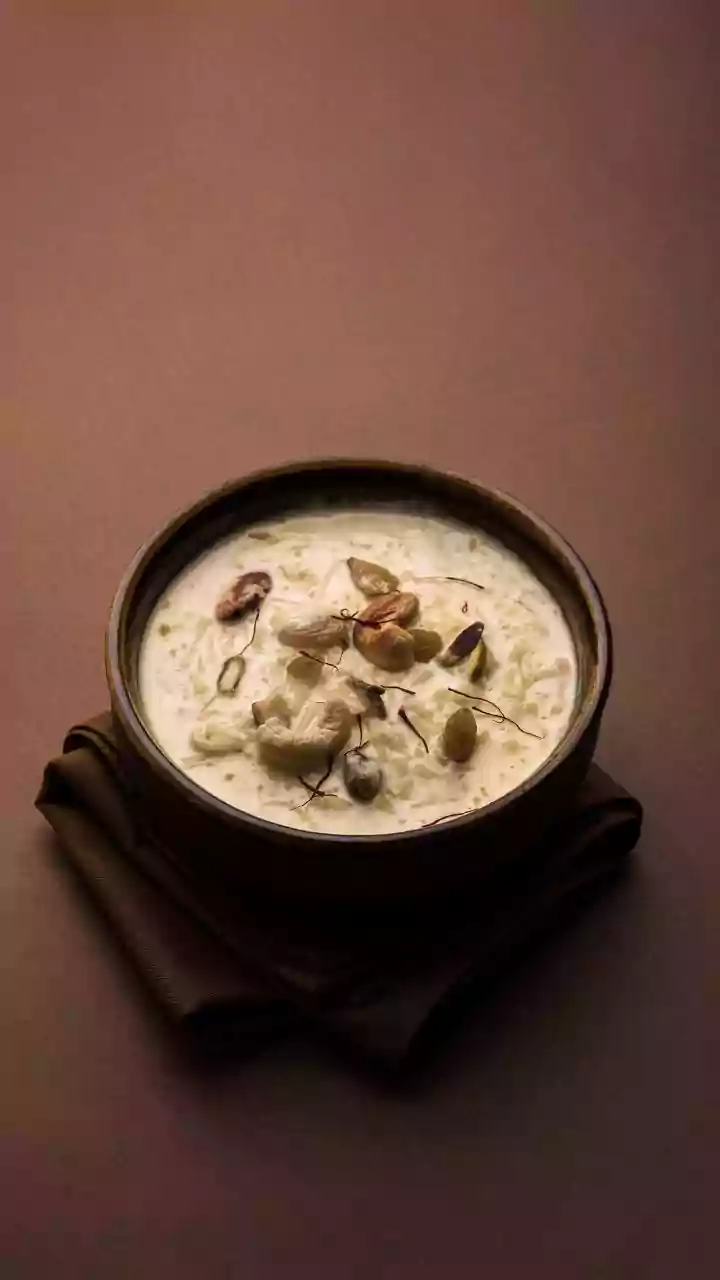
Before it was ground into pastes or starring in curries, the cashew’s most visible role was as a royal garnish. Fried in ghee until golden brown, whole or halved cashews are scattered generously over festive rice dishes like Biryani and Pulao. This simple act adds a delightful textural contrast and a nutty aroma that elevates the entire dish. The same goes for desserts. A smattering of cashews on top of Kheer, Halwa, or Basundi is not just for decoration; it’s a promise of the richness within. This final touch turns a simple dessert into a special-occasion treat, adding a satisfying crunch to every spoonful.
A Surprising History
Interestingly, the cashew is not native to India. It was introduced by the Portuguese from Brazil in the 16th century, primarily for soil conservation and to prevent erosion. Its culinary potential was a later discovery. From its first introduction in Goa, the hardy cashew tree spread along India's western and eastern coasts. Over the centuries, it became deeply integrated into regional cuisines, from the feni liquor distilled from the cashew fruit in Goa to Kerala becoming a global hub for cashew processing. What started as an environmental utility plant transformed into an indispensable part of India's culinary identity.