






What Defines an Eco-Lodge?
An eco-lodge is more than a hotel with a few green-sounding policies. It is a philosophy of accommodation built on the principles of sustainability and minimal environmental impact. Unlike conventional hotels, which often stand apart from their surroundings,
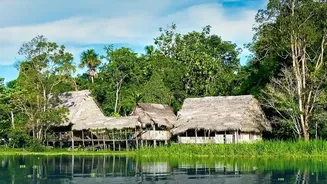
eco-lodges are designed to be an integral part of the local ecosystem. This means construction often involves locally sourced, sustainable materials like bamboo and recycled wood, and operations are powered by renewable energy sources like solar. They prioritize water conservation, waste reduction, and the protection of local biodiversity. The core idea is to create a travel experience that respects and preserves the natural and cultural environment it inhabits, providing guests with a genuine connection to the place.
The Triple-Win Benefit
The appeal of eco-lodges lies in their ability to deliver benefits on three crucial fronts: the environment, the local community, and the traveller. For the planet, the advantages are clear. With a significantly reduced carbon footprint and a focus on conservation, these lodges are a direct counterpoint to the resource-heavy model of traditional tourism. For local communities, eco-lodges are a powerful engine for sustainable development. They create jobs, source produce from local farmers, and employ local guides, ensuring that tourism revenue directly supports the host community. For the traveller, the experience is transformative. It offers a chance to disconnect from the noise of city life and find an authentic connection with nature and culture, often in pristine, remote settings that are inaccessible to mass tourism.
A Market Driven by Demand
The shift towards sustainable travel is not just a niche trend; it's a global movement backed by significant economic momentum. Projections show the global market for nature-based tourism and eco-lodges is poised for substantial growth, with some estimates suggesting the market could reach nearly $30 billion by 2032. Another analysis projects the broader 'ecotel' market could grow from $190 billion in 2025 to $360 billion by 2035. This surge is fueled by a new generation of travellers who are environmentally conscious and demand more from their holidays. Studies show an overwhelming majority of global travellers—over 80% in some reports—believe sustainable travel is important and are actively seeking out responsible options. This consumer demand is fundamentally reshaping hospitality.
The Challenge of 'Greenwashing'
With the rise in popularity comes the inevitable challenge of 'greenwashing'—the practice where a business makes unsubstantiated or misleading claims about its environmental credentials to attract customers. You might see a hotel with a rustic, natural aesthetic that is actually running on diesel generators or has poor waste management. The term itself was coined in the 1980s to describe a resort that asked guests to reuse towels to 'save the planet' while it was aggressively expanding and harming the local environment. Today, savvy travellers can look past vague marketing slogans like 'in harmony with nature'. Truly sustainable lodges are transparent about their practices. They provide specific details on their energy sources, water conservation systems, waste management, and community projects. Certifications from reputable organisations can also serve as a reliable indicator of genuine commitment.
The Eco-Lodge in India
India, with its diverse landscapes, is a prime destination for eco-tourism. From the fragrant coffee plantations of Coorg to the majestic Himalayan foothills and the tiger reserves of Madhya Pradesh, unique eco-lodges are providing travellers with incredible, low-impact experiences. Properties like Evolve Back in Coorg and safari lodges near Bandhavgarh National Park have gained acclaim for blending luxury with a deep commitment to their environment. In a country where wildlife and natural beauty are major draws, this model is crucial. Organisations like TOFTigers offer rating systems that help travellers identify lodges genuinely committed to conservation and sustainability, ensuring that tourism supports the preservation of India's natural treasures for generations to come.