





The Social Media Effect and Overtourism
For years, the travel mantra was 'share everything'. Platforms like Instagram and TikTok became digital guidebooks, with geotags acting as treasure maps. A single viral post could transform a quiet local spot into a global phenomenon overnight. While
this made travel more accessible, it came at a cost. Overtourism has led to strained local infrastructure, environmental damage, and the erosion of culture in hotspots from Bali to Barcelona. The very thing that made a place special—its authenticity and tranquility—was often destroyed by the crowds that came seeking it. This has led many to question the role of social media in how we discover and experience the world.
The Rise of the 'Secret Keepers'
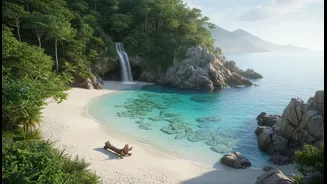
In response, a conscious movement of 'secret keeping' is gaining momentum. Travelers and influencers are now deliberately choosing not to geotag specific, fragile locations. This practice, sometimes called 'gatekeeping', is a subject of debate. Some argue it's an elitist act, with those who discover a place first unfairly deciding who else gets to enjoy it. However, proponents see it as a necessary form of preservation. For them, it's not about hiding places, but about protecting them from the destructive patterns of mass tourism. This shift represents a move from valuing online validation to valuing the integrity of the destination itself.
Beyond Not Geotagging: A New Travel Ethos
Protecting hidden escapes involves more than just omitting a location tag. It's part of a broader trend towards sustainable and responsible travel that is expected to define tourism in 2026. This new ethos encourages travelers to seek deeper, more meaningful connections. This includes choosing off-season travel, exploring secondary cities instead of major hubs, and supporting locally-owned businesses to ensure tourism dollars benefit the community directly. Some destinations are taking formal measures, like Bhutan's daily tourist tariff or timed-entry reservations at U.S. National Parks, to manage visitor numbers and fund conservation. The focus is shifting from a high-volume, extractive model to one that prioritizes value, care, and long-term viability.
How Indian Travelers Can Embrace the Trend
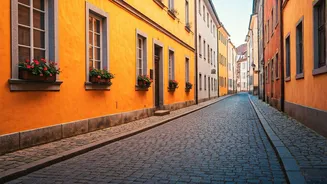
For Indian travelers, this trend is doubly relevant. While exploring internationally, a mindful approach can help preserve the global destinations we love. Domestically, it’s about protecting our own backyard. India is filled with countless 'hidden gems', from Himalayan meadows to coastal villages in the Konkan and remote temples in the South. Many of these areas face immense pressure from unregulated tourism, often sparked by viral social media posts. By adopting a protective mindset, we can help. This might mean exploring the rich heritage of a lesser-known town in Madhya Pradesh instead of an overcrowded Rajasthani fort, or choosing a community-run homestay in the Western Ghats. It's about spreading the love—and the economic benefits—more evenly, ensuring these treasures remain for future generations.