





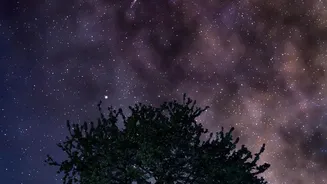

A Gift from a Famous Comet
The Orionid meteor shower is an annual event that occurs when Earth passes through the trail of debris left behind by one of the most famous objects in our solar system: Halley’s Comet. While the comet itself only graces our skies every 76 years, its dusty
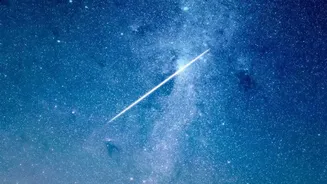
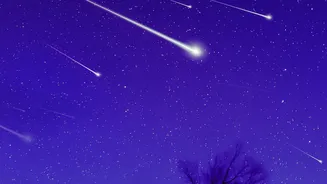
legacy provides two yearly meteor showers, the Eta Aquarids in May and the Orionids in October. These tiny particles, often no bigger than a grain of sand, enter our atmosphere at tremendous speeds—about 66 kilometres per second—and burn up, creating the brilliant streaks of light we call meteors. The Orionids are known for their speed and can sometimes produce exceptionally bright meteors that leave glowing trails, known as persistent trains, for a few seconds after they vanish.
Timing is Everything: When to Look in 2026
For 2026, the Orionid meteor shower will be active from early October through early November, but the best time to watch is during its peak. Mark your calendar for the night of October 21-22, as this is when activity will be at its maximum. Viewing might also be good on the following night, October 22-23. However, there's a challenge this year: a bright waxing gibbous moon will illuminate the sky for much of the night, washing out fainter meteors. But there is a perfect window of opportunity. The moon is expected to set around 3 a.m. local time on the peak mornings. This creates a period of true darkness between moonset and the first light of dawn, roughly from 3 a.m. until 5 a.m. This pre-dawn window will be your prime time for spotting the Orionids.
Finding Your Urban Observatory
The phrase "urban stargazing" can seem like a contradiction, but success is possible with a little planning. The primary goal is to escape direct light pollution. While you can't eliminate the city's skyglow, you can significantly improve your view by finding a spot with an unobstructed, wide-open view of the sky. Think of local parks, sports fields, or any large open area away from the glare of streetlights and buildings. Even a backyard can work if you turn off all house and garden lights. If you're able to travel a short distance, heading 20 or 30 miles outside the city will dramatically increase the number of meteors you can see. Look for a spot where a hill or a line of trees can block the distant glow from the city centre.
How to Watch: No Telescope Needed
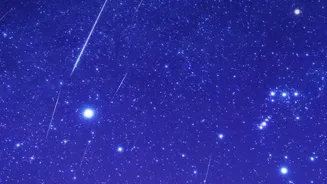
One of the best things about watching a meteor shower is that you don't need any special equipment. In fact, telescopes and binoculars are a disadvantage because they restrict your field of view, and you want to see as much of the sky as possible. The most important tool you have is patience. Once you've found your spot, lie back on a blanket or a reclining chair and simply look up. It takes about 20 to 30 minutes for your eyes to fully adapt to the darkness, so avoid looking at your bright phone screen. The meteors will appear to originate from their radiant point in the constellation Orion, but they can streak across any part of the sky. For the best view, orient yourself towards the constellation but let your gaze wander. Looking slightly away from the radiant often reveals meteors with longer, more dramatic trails.
Gear Up for a Comfortable Watch
Since you'll be outside in the cool, pre-dawn hours of a late October morning, comfort is key to enjoying the experience. Dress in warm layers, as you will get colder sitting still than you might expect. A warm blanket or even a sleeping bag is a great idea, along with a comfortable lawn chair or something to lie on. Consider bringing a thermos of a warm drink and some snacks. While you should avoid bright white lights, a flashlight with a red-light setting is perfect for finding your way around without ruining your night vision. Red light has a minimal impact on your eyes' dark adaptation. With these simple preparations, you'll be set to relax and enjoy the celestial show unfolding above you.