






Understanding Off-Peak and Shoulder Seasons
The Indian travel calendar has long revolved around major holidays, school breaks, and winter months, creating intense 'peak seasons'. During these times, destinations are crowded and prices for flights and hotels surge. The 'off-season' is the opposite,
often marked by extreme weather like heavy monsoons or scorching heat, leading to the lowest prices but potential closures of attractions. The sweet spot for savvy travellers is the 'shoulder season'—the period just before or after the peak. During these windows, the weather is often still pleasant and most things are open, but the crowds and high prices have not yet arrived. For instance, this could be September in the hills after the monsoon but before the winter rush, or March in Rajasthan as the peak crowds depart.
The Scale of the Savings
The financial benefits of off-peak travel are significant and the primary draw for many. Hotels, which form a major chunk of any travel budget, can be substantially cheaper. Depending on the destination, off-season travel during months like May to September can yield discounts of 30% on budget hotels and up to 50% on higher-end properties. Even travelling in the shoulder months, such as April or September, can result in savings of 20-35%. For example, luxury hotel chains that charge over ₹80,000 per night during peak season may offer the same rooms for around ₹23,000 per night between April and September. These savings free up your budget for other experiences, like unique dining, local tours, or simply extending your stay.
Top Destinations for Off-Peak Getaways
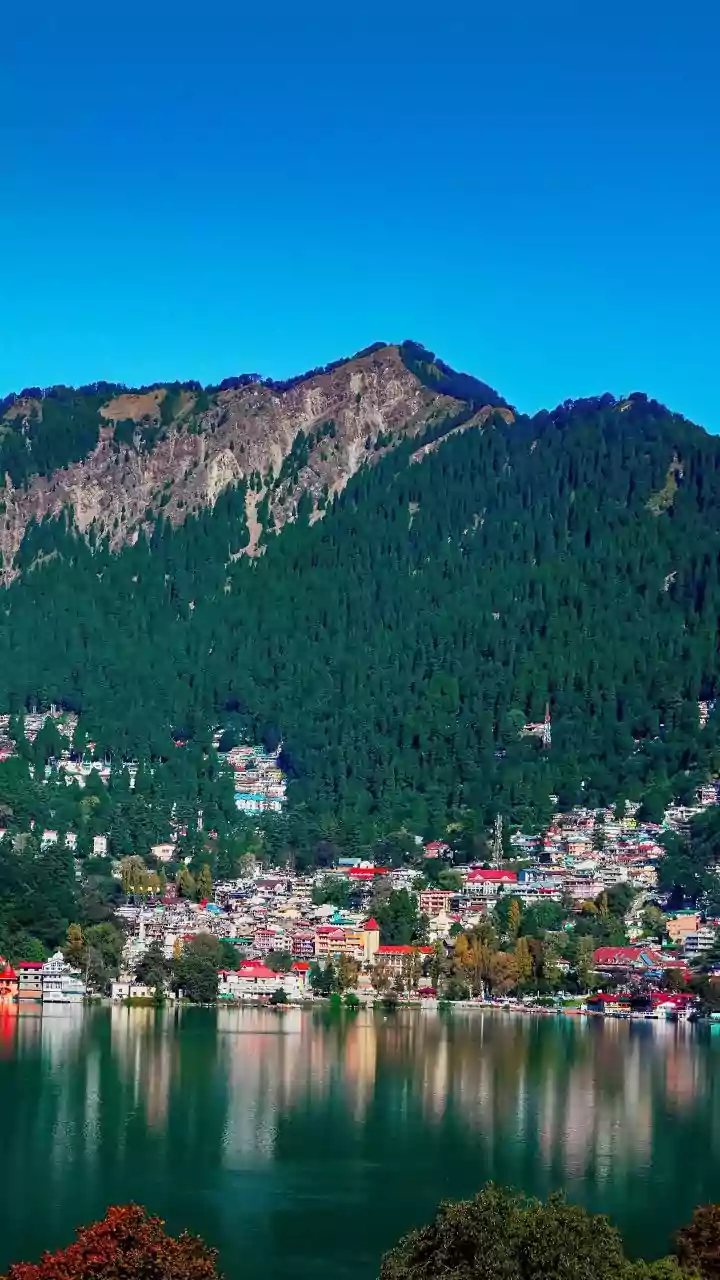
Almost every popular destination has a rewarding off-peak window. Goa, for example, transforms during the monsoon (June to September). The party crowds thin out, the landscape becomes incredibly lush and green, and hotels offer attractive packages. While beach shacks may be closed, the thundering Dudhsagar Falls is at its best. Similarly, hill stations in Himachal Pradesh and Uttarakhand are ideal in September and May, avoiding both the summer vacation rush and the harsh winter. In South India, the monsoon months of June to August are a quieter time to visit Kerala, with the rain amplifying the beauty of the backwaters and tea gardens in places like Munnar. Even Rajasthan, known for its winter tourism, can be visited in April or late September for better hotel deals, provided you plan activities for cooler parts of the day.
Beyond the Budget: Other Perks
Lower cost is just one part of the appeal. Travelling off-peak often means a more authentic and relaxed experience. With fewer tourists, you can explore popular attractions without the queues and chaos. This allows for more meaningful interactions with locals, from a hotel owner who has time to chat over tea to artisans in the market working at their own pace. The landscape itself can offer unique beauty, whether it's the misty, romantic hills during the monsoon or the vibrant green vistas that follow the rains. Furthermore, transportation can be easier to manage, with less competition for train tickets and less congested local roads.
Smart Booking Strategies
To maximise savings, flexibility is key. Being open with your dates is the first step. Use travel aggregator sites like Skyscanner or Google Flights to compare prices across a whole month, which visually highlights the cheaper off-peak periods. For hotels, it's wise to compare prices across multiple platforms like MakeMyTrip, Goibibo, and Booking.com. Don't forget to check the hotel's official website, as they sometimes offer direct booking discounts. For independent hotels and homestays, especially during the low season, contacting them directly can sometimes yield a better rate, as they can pass on the commission they would have paid to a booking platform. Finally, setting price alerts for flights and hotels can notify you of last-minute deals on unsold inventory.
What to Watch Out For
Off-peak travel isn't without its potential drawbacks. The most obvious is weather. Monsoon travel can involve heavy downpours that disrupt plans, and mountain regions may have risks of landslides. It's crucial to research the specific conditions for your chosen destination. Some services and attractions might also be limited; for instance, many national parks and wildlife safaris close during the monsoon season from June to October. In coastal areas, water sports and some beach shacks may not be operational. The key is to do your homework: check which activities are available and pack appropriately with things like waterproof gear and mosquito repellent for monsoon trips.