

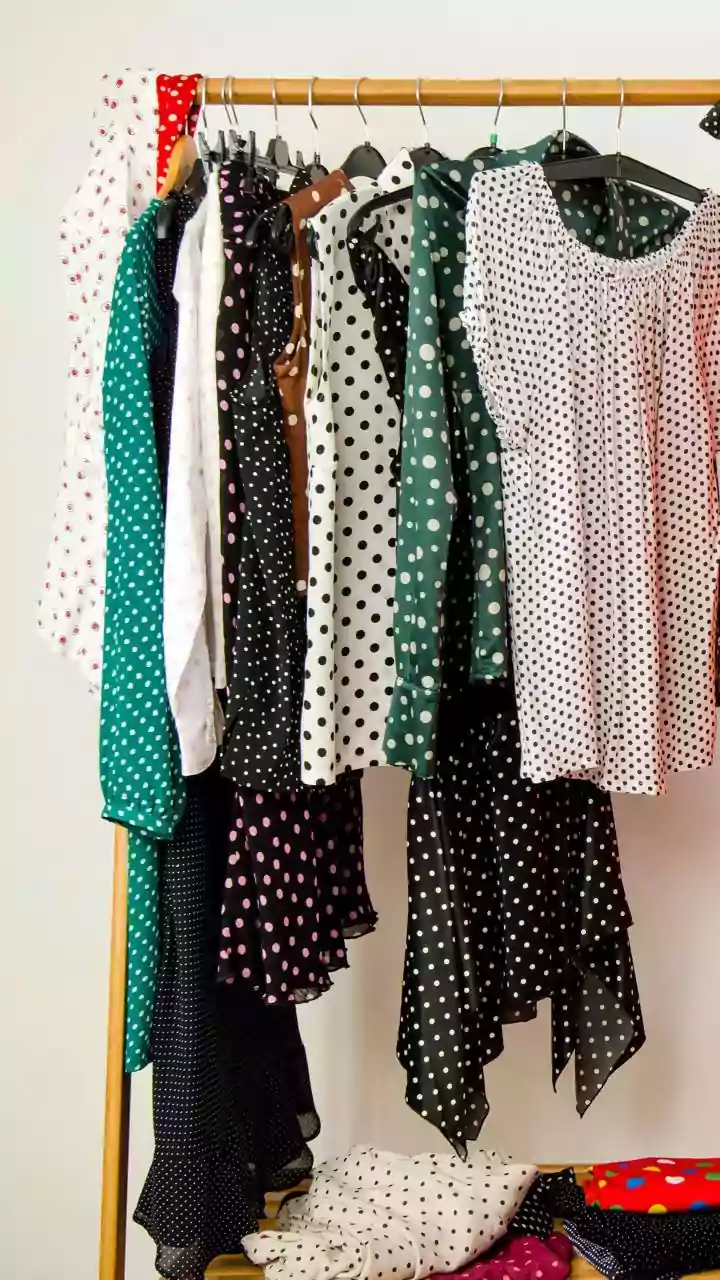

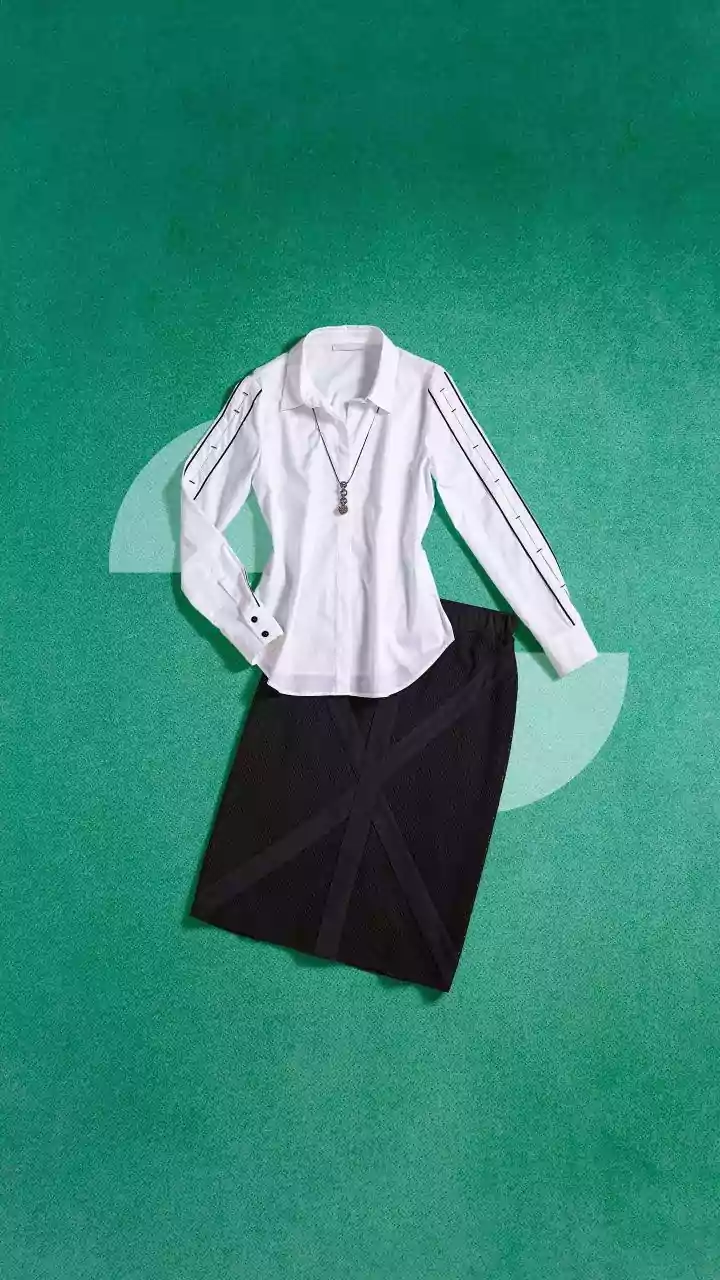



From Chaos to Curated: The Power of a Plan
A wardrobe plan is more than just an organizational strategy; it's a way to take control of your personal style and budget. Off-the-rack clothing is designed for a standardised body shape, which means it rarely fits anyone perfectly. A strategic approach
to your closet helps you see your clothes not just as they are, but as what they could be. By methodically assessing each item, you can stop wasting money on new purchases and instead invest in making your existing clothes fit flawlessly. This not only elevates your appearance and boosts confidence but also extends the lifespan of your garments, making it a sustainable choice. A well-tailored piece of clothing, regardless of its original price, will always look more polished than an ill-fitting expensive one.
Step 1: The Wardrobe Audit
The first step is a thorough closet audit. Set aside a few hours and go through every piece of clothing. Create three distinct piles: 'Keep', 'Donate/Sell', and 'Alter'. Be honest with yourself. The 'Keep' pile should only contain items you love and wear regularly. For the 'Alter' pile, include garments that you love the style of but don't wear because of the fit. This could be a blazer with shoulders that are too wide, trousers that are too long, or a dress that gapes at the bust. This process forces you to confront what you actually own and provides a clear, actionable list for the next phase. During the audit, pay close attention to why certain items aren't being worn. Is the waist too tight? Are the sleeves an awkward length? These are the exact problems a tailor can solve.
Step 2: Identifying What’s Worth Altering
Not every garment is a good candidate for alteration. The key is to weigh the cost of the alteration against the value and quality of the item. Well-made pieces with good fabric are almost always worth the investment. Simple alterations like hemming pants or skirts, shortening sleeves, or taking in the waist of trousers are cost-effective and make a huge difference. For example, hemming trousers can cost as little as ₹800-₹1500, an investment that transforms a sloppy look into a sharp one. More complex jobs, like adjusting the shoulders of a jacket or completely relining a coat, are more expensive and should be reserved for high-quality or sentimental items. As a rule, if a garment fits well in the shoulders or hips (the most difficult areas to alter), it's a strong candidate for tailoring. Fast-fashion items might not be worth the cost unless the fix is very minor and you truly love the piece.
Step 3: Creating the Alteration List
Once you have your 'Alter' pile, create a detailed list. For each item, note what's wrong with the fit. Be specific. Instead of just 'doesn't fit', write 'waist is too loose by about two inches' or 'sleeves need to be shortened to the wrist bone'. Taking photos can also be helpful. This list is your roadmap. Prioritise the items based on how often you'll wear them once they're fixed. A classic blazer you could wear weekly should be at the top of the list. A special occasion dress might be lower priority unless you have an event coming up. This list not only keeps you organised but also helps you have a clear, productive conversation when you visit a tailor. Bring the shoes and undergarments you intend to wear with the items to ensure the most accurate fit during your consultation.
Finding the Right Professional
Your alteration plan is only as good as the tailor who executes it. In India, skilled tailors are often accessible, but finding a great one requires some research. Ask for recommendations from well-dressed friends or high-end clothing boutiques. Many local dry cleaners also offer reliable alteration services. When you find a potential tailor, start with a small, simple job, like hemming a pair of trousers, to test their work. A good tailor will listen to your requests, offer professional advice on what is and isn't possible, and be transparent about pricing before starting any work. Building a relationship with a trusted tailor is a style investment that will pay dividends for years to come, ensuring your wardrobe always works for you.