








A New Star Player Enters the Arena
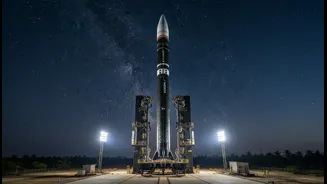
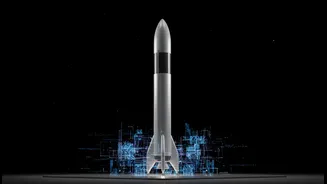
Hyderabad-based startup Skyroot Aerospace is poised to make history with the maiden launch of its Vikram-1 rocket, scheduled for July 18. Named after Dr. Vikram Sarabhai, the father of India's space program, this vehicle represents a monumental step:
it is the country's first orbital-class rocket fully designed and developed by a private company. Standing seven storeys tall, the Vikram-1 is engineered to deliver small satellites into Low Earth Orbit, a booming segment of the global space market. The mission, aptly named 'Aagaman' or 'arrival', signifies the dawn of a new era where private players join the Indian Space Research Organisation (ISRO) in reaching for the stars.
The 'Arrival' Mission Milestone
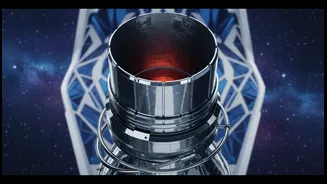
While Skyroot successfully launched its suborbital Vikram-S rocket in 2022, the Vikram-1 mission is a far more complex and significant challenge. An orbital launch requires achieving a much higher velocity to place satellites into a stable orbit around Earth, a capability no private Indian firm has demonstrated until now. This test flight will validate the performance of its 3D-printed engines, carbon composite structures, and other home-grown technologies under real-world flight conditions. According to Skyroot's founders, the data gathered from this single launch will be foundational for establishing a reliable and frequent launch service, a key goal for commercial success.
The Policy Change Fueling Lift-Off
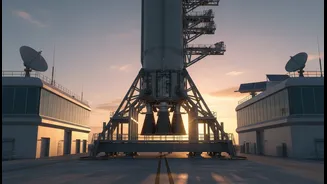
This private-sector lift-off wouldn't be possible without a major policy shift from the Indian government. In 2020, the space sector was opened up, inviting private companies to participate in end-to-end space activities. The creation of the Indian National Space Promotion and Authorisation Centre (IN-SPACe) was a game-changer, acting as a single-window agency to promote, regulate, and facilitate private space ventures. This reform allows startups like Skyroot to use ISRO's world-class facilities, such as launch pads and testing centres, dramatically reducing development costs and time. This supportive ecosystem is critical for transforming India's space economy, projected to grow fivefold to $44 billion by 2033.
A New Universe of Career Opportunities
The success of companies like Skyroot is having a profound impact on the job market. The headline-grabbing missions are creating a ripple effect, sparking interest and generating thousands of high-skilled jobs. For years, a space career in India largely meant a job at ISRO. Today, over 400 private space startups are hiring aggressively. While the demand for aerospace, propulsion, and avionics engineers is soaring, the talent search has expanded significantly. The modern space company needs a diverse range of experts to succeed.
Beyond Rocket Science and Engineering
The new space economy is creating career paths for professionals from many different backgrounds. Companies are actively recruiting software developers for mission control systems, AI and machine learning experts for analysing satellite data, and robotics engineers for building autonomous systems. There is also a growing need for professionals in cybersecurity, data analytics, business development, marketing, and supply chain management. This talent convergence, drawing people from the automotive, electronics, and IT sectors, is enriching the entire ecosystem. According to one report, the aerospace, drone, and space-tech sector is expected to create over 200,000 new jobs by 2033.