

Why Bother with Stems?
In the world of zero-waste cooking, every scrap has potential. While we prize coriander (dhania) and mint (pudina) for their fragrant leaves, the stems are packed with a surprising amount of flavour. In fact, the flavour in coriander stems is often described
as deeper and more intense than the leaves. This root-to-stem approach isn't just a trendy concept; it's a return to the resourceful traditions that have defined Indian kitchens for generations. By using the stems, you're not only reducing kitchen waste but also extracting every last drop of taste from your fresh produce. It's a simple, sustainable hack that saves money and elevates your cooking with minimal effort.
The Basic Infusion Method
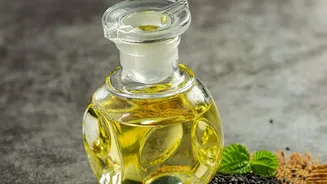
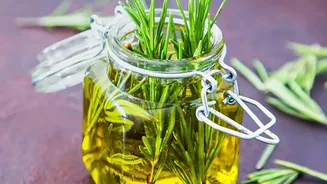
Creating your own herb-infused oil is surprisingly simple. You don't need any special equipment, just a handful of leftover stems, a neutral oil, and a pan. First, wash your coriander and mint stems thoroughly and pat them completely dry. Moisture is the enemy here, as it can cause the oil to spoil. Roughly chop or lightly bruise the stems to help release their aromatic compounds. Next, gently heat about one cup of a neutral-flavoured oil (like sunflower or canola) in a small pan over low heat. Add the prepared stems and let them sizzle very gently for a few minutes. You are not trying to fry them, but rather to warm them enough to infuse the oil. Once the oil becomes fragrant, turn off the heat and let it cool completely. Finally, strain the oil through a fine sieve into a clean, dry glass bottle.
Coriander vs. Mint: A Flavour Profile
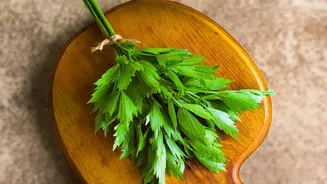
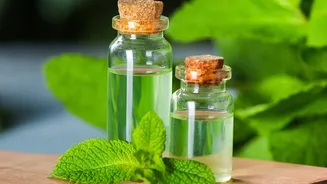
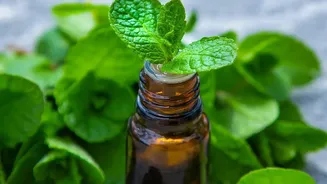
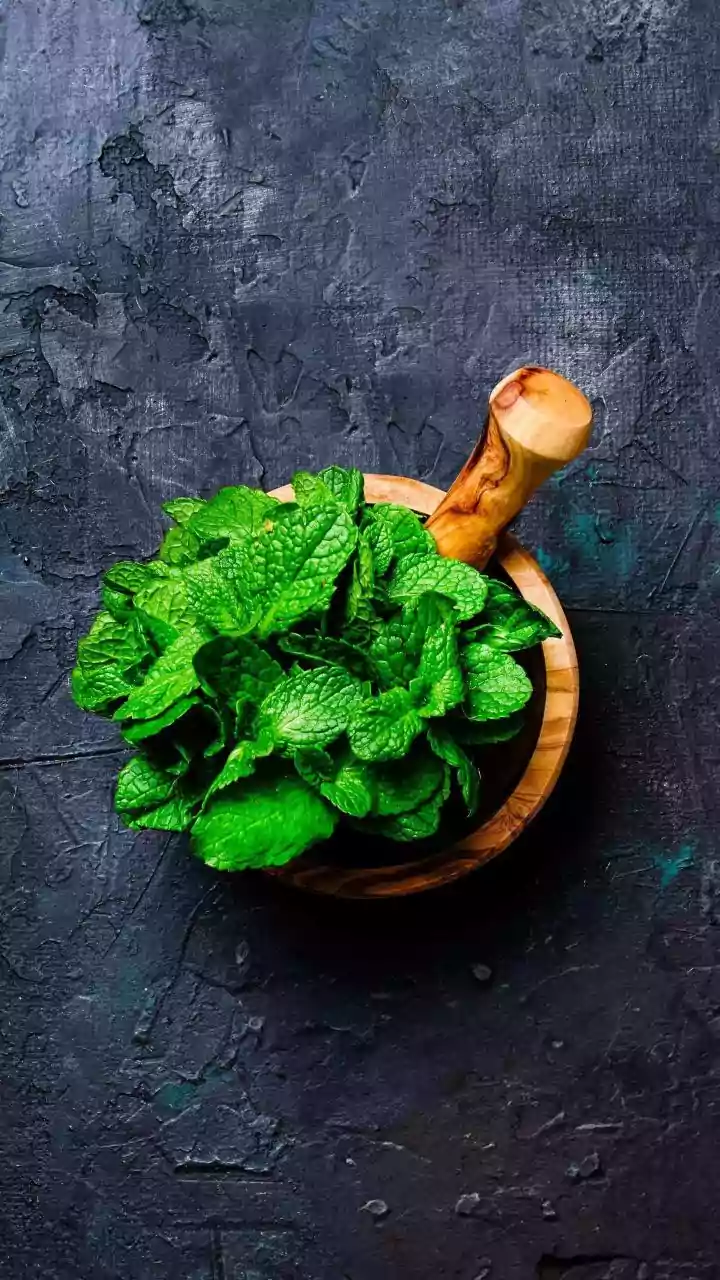
While both are common herbs in Indian cuisine, their stems offer distinct flavour profiles to your infused oils. Coriander stems provide a potent, earthy, and peppery flavour that is slightly more robust than its leaves. An oil infused with dhania stems is perfect for building the foundation of a curry, adding to a dal tadka, or using in a marinade for paneer or chicken. On the other hand, mint stems offer a bright, cooling, and refreshing essence. This Pudina-infused oil works beautifully in salad dressings, drizzled over raita, or as a finishing touch for grilled vegetables and fruit salads. While coriander stems can be used quite liberally, be more measured with mint stems, as they can sometimes impart a bitter taste if overused.
Creative Ways to Use Your Infused Oils
These homemade oils are incredibly versatile. Think of them as a finishing touch that adds a final layer of complexity to your dishes. Drizzle your coriander oil over a finished sabzi, stir it into hummus, or mix it with lemon juice for a quick and zesty salad dressing. The mint oil can be used to brighten up a simple cucumber salad, add a fresh note to lamb or vegetable kebabs, or even be lightly brushed onto warm naan bread. You can also combine the two for a classic mint-coriander flavour base, perfect for drizzling over chaat or mixing into yoghurt for a quick dip.
Important: Storage and Safety
When making infused oils at home with fresh ingredients, food safety is paramount. Because fresh herbs contain moisture, there is a risk of bacterial growth, including the spores that cause botulism, if not stored correctly. These spores thrive in low-acid, oxygen-free environments like oil. For this reason, homemade infused oils made with fresh herbs must always be stored in the refrigerator in an airtight container. It's best to make small batches and use them within 4 to 10 days to be safe. Never store them at room temperature. If you notice any cloudiness, bubbles, or an off smell, discard the oil immediately.