








Track Your Train in Real-Time
Before you even think of leaving for the station, your first step should be to check the live status of your train. Heavy rains can cause significant delays, diversions, or cancellations, and knowing this in advance saves you a wasted trip. The official
National Train Enquiry System (NTES) is your best friend here. Available as a website and a mobile app, NTES provides real-time information on your train's location, expected arrival and departure times, and any delays. Simply enter your train number to get the latest updates. Authorities consistently advise passengers to verify schedules before starting their journey, especially during severe weather. This simple check can be the difference between a smooth start and hours of waiting at a crowded station.
Know the Monsoon Timetables
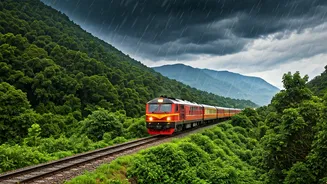
In regions prone to heavy monsoon impact, Indian Railways often implements special timetables to ensure passenger safety. The Konkan Railway, for instance, a route famous for its scenic beauty and challenging monsoon conditions, operates a revised schedule from mid-June to late October each year. During this period, train speeds are reduced, and some services may have adjusted timings or frequencies to navigate the weather safely. As of 2026, this monsoon timetable runs from June 15 to October 20. Always check if your journey falls under a special monsoon schedule, as timings for dozens of trains, including premium services, can change. This proactive measure by the railways helps minimise disruptions and enhance safety on vulnerable routes.
When Your Train is Cancelled
Receiving a notification that your train has been cancelled can be disheartening, but the refund process is straightforward. If Indian Railways cancels a train due to reasons like waterlogging, floods, or landslides, passengers are entitled to a full refund. For e-tickets booked online via IRCTC, this process is automatic. The full fare is credited back to the bank account used for the booking, usually within three to seven working days. Crucially, you should not cancel the ticket yourself in this scenario, as this might incur cancellation fees; let the automatic system handle it. For counter tickets, you must surrender the ticket at a PRS counter within three days of the train's scheduled departure to claim your full refund.
Navigating Delays and Filing a TDR
What if your train isn't cancelled but is significantly delayed? According to railway rules, if your train is running late by more than three hours and you decide not to travel, you are eligible for a full refund. To claim this, you must file a Ticket Deposit Receipt (TDR) online. This must be done before the train's actual departure. The TDR process is initiated through your IRCTC account under 'My Transactions'. You select the PNR and choose the appropriate reason, such as 'Train Late More Than 3 Hours and Passenger Not Travelled'. Filing a TDR is also the correct procedure for other issues, like the train being diverted and missing your boarding or destination station. Be mindful of the timelines, as each reason for a TDR has a specific window for filing.
Pack Smart for a Monsoon Journey
Even with the best planning, delays can happen. Packing a small 'monsoon kit' can make your journey more comfortable. Given the potential for long waits, a fully charged power bank is non-negotiable. Keep your electronic devices, tickets, and other important documents safe and dry in waterproof bags. It's also wise to carry some light snacks and a bottle of drinking water, as pantry services can sometimes be affected during major disruptions. Finally, wear footwear with a good grip. Station platforms and train floors can become very slippery when wet, and sturdy, non-slip shoes can prevent accidents.