





From Raw Pungency to Roasted Depth
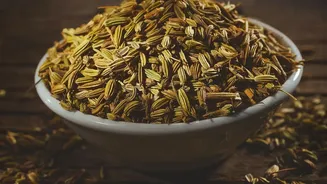
Cumin, a foundational spice in many global cuisines, presents two very different personalities: raw and roasted. Raw cumin seeds, and the powder ground from them, are pungent, sharp, and almost bitter. Their primary flavour compound, cuminaldehyde, is responsible
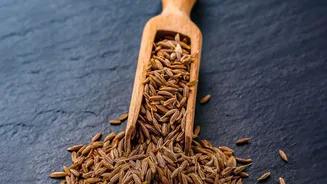
for this distinctively sharp, earthy character. However, when you introduce cumin seeds to a dry, hot pan, a magical transformation occurs. This process, known as 'bhuna' in Hindi, mellows the harsh notes and awakens a completely new profile. The heat triggers complex chemical changes, including the Maillard reaction, which creates deep, nutty, and even sweet caramel notes. The resulting roasted cumin is warmer, smokier, and significantly more aromatic, with new flavour compounds called pyrazines contributing to its complex, toasty scent.
Understanding Tamarind's Sweet-Sour Power
Tamarind, or 'imli', is the fruit of a tropical tree used widely across Asia, Africa, and the Caribbean. It's prized for its role as a souring agent, but its flavour is far from a one-note affair. Unlike the sharp acidity of lemon or vinegar, tamarind offers a complex sweet-and-sour taste with a distinct, fruity depth. This unique profile comes from tartaric acid, which provides a smoother, more rounded sourness than the citric acid found in citrus fruits. Depending on its ripeness, tamarind can range from intensely sour to pleasantly sweet and tangy. In cooking, it's used to balance richness, cut through heat, and add a layer of bright complexity to everything from lentil dishes like sambar to refreshing drinks and vibrant chutneys.
A Perfect Culinary Balance
When tamarind's bright, sharp tang meets cumin, the form of the cumin is critical. The aggressive edge of raw cumin can clash with tamarind's acidity, creating a flavour that feels unbalanced. Roasted cumin, however, creates a perfect harmony. Its deep, nutty, and smoky notes provide a warm, earthy foundation that stands up to and complements tamarind's sourness. Think of it as a flavour equation: the mellow, rounded depth of roasted cumin is the ideal counterpoint to the high-toned, fruity tartness of tamarind. This pairing is a cornerstone of Indian flavour-building, appearing in countless recipes where a balance of earthy and tangy is desired. They share over 200 flavour molecules, placing them in the top tier of ingredient pairings.
Where the Pairing Shines
You can taste this dynamic duo at work across a spectrum of Indian dishes. In many tamarind-based chutneys, roasted cumin powder (bhuna jeera) is essential for providing a smoky depth that balances the sweetness of jaggery and the sourness of the tamarind pulp. The popular drink 'Jal Jeera' literally translates to 'cumin water' and often features tamarind for a tangy kick, a perfect example of the two working in concert. In lentil dishes like Khatti Dal or the South Indian stew Sambar, tamarind provides the signature sour base, while a tempering of spices, often including cumin, adds layers of aromatic warmth. Even in marinades and spice rubs, the combination provides a complete flavour profile of bright and deep notes.
How to Toast Cumin at Home
Unlocking the superior flavour of roasted cumin is simple. Take whole cumin seeds and place them in a dry skillet over medium heat—no oil is needed. Stir or shake the pan constantly to ensure they toast evenly and don't burn. Within two to three minutes, you'll notice the seeds darken slightly and release a wonderfully nutty, fragrant aroma. This is the sign they are ready. Immediately transfer the toasted seeds to a cool plate to stop the cooking process, as residual heat in the pan can quickly turn them from perfectly roasted to acrid and burnt. Once cooled, you can grind the seeds in a spice grinder or with a mortar and pestle for the freshest, most aromatic roasted cumin powder you've ever tasted.