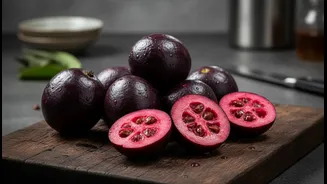









Meet Kokum, The Unassuming Star
For generations, kokum (Garcinia indica) has been a staple along India's western coast. Traditionally, the sun-dried rind is used as a souring agent in curries and dals, prized for a flavour that's less sharp than tamarind but more complex and fruity.
Its most famous application is in solkadhi, that iconic pink digestive drink from Goa and Maharashtra made with coconut milk. Beyond its culinary uses, kokum is celebrated in Ayurveda for its cooling properties and as a remedy for acidity and indigestion, making it a powerhouse of flavour and function.
Why Kokum, Why Now?
Kokum's recent surge in popularity isn't a coincidence. It’s part of a larger culinary movement where Indian chefs are looking inward, celebrating indigenous ingredients. Unlike imported novelties, kokum offers a unique 'sense of place'. Its distinctive sweet-and-sour profile, sometimes likened to cranberries, provides a refreshing acidity that stands out. As diners become more curious about regional flavours, kokum is being discovered by a new generation not just through traditional fare, but in cocktails, desserts, and fusion dishes. This shift prioritises local, sustainable ingredients with a story to tell, and kokum has a great one.
Checklist Part 1: The Modern Kokum Cooler
The humble kokum sherbet is the perfect starting point for a cafe makeover. To elevate it, think beyond simply mixing syrup and water. Create a signature 'Kokum Sparkler' by topping kokum concentrate with sparkling water or a neutral-flavoured tonic. Infuse the syrup with other spices like star anise or a cinnamon stick for added complexity. Presentation matters, so serve it in a tall glass with a sprig of fresh mint, a slice of lime, and perhaps a salt-rimmed glass for a sweet, salty, and sour explosion. This modern take on a classic is refreshing, visually appealing, and carries the health benefits of a traditional coolant.
Checklist Part 2: The Sour Secret in Dressings
Kokum's unique acidity makes it a fantastic substitute for vinegar or lemon juice in salad dressings. To create a vibrant kokum vinaigrette, whisk together kokum concentrate (agal) with olive oil, a touch of honey or maple syrup to balance the sourness, black salt (kala namak), and roasted cumin powder. This dressing works beautifully over a simple green salad or a more complex grain bowl. Chefs have found that mixing kokum juice with soy, garlic, and onions creates a light, flavourful dressing perfect for modern appetisers. It's a simple swap that introduces a distinctly Indian coastal flavour to global formats.
Checklist Part 3: Coastal Acidity in Ramen
This is where kokum truly steps into the global spotlight. The concept of 'kokum ramen' is gaining traction in experimental kitchens for one key reason: its ability to cut through richness. A traditional tonkotsu (pork bone) or rich miso ramen broth can be heavy and fatty. The clean, bright acidity of kokum provides the perfect counterbalance, much like a squeeze of lime in a bowl of pho. By infusing the broth with a few dried kokum rinds during the simmering process, chefs can add a layer of fruity sourness that brightens the entire dish without overpowering the savoury umami notes. It’s an inspired piece of flavour engineering, marrying a coastal Indian staple with a Japanese classic.
Checklist Part 4: A Tangy Twist on Dessert
Kokum's flavour profile, with its hints of sweet fruitiness, makes it a surprisingly versatile dessert ingredient. Its tartness can balance the richness of dairy, making it ideal for a kokum-flavoured cheesecake or a panna cotta topped with a kokum syrup reduction. Imagine a creamy kokum sorbet, a perfect palate cleanser after a heavy meal. Confectioners are also using it in gummies, jellies, and chocolate fillings, where its natural acidity and vibrant colour can shine. Using kokum in desserts moves it beyond the savoury and into a new realm of culinary creativity.