

The Villain: The Glucose Spike
To understand the solution, we first need to meet the problem: the glucose spike. When we eat carbohydrates—especially refined ones like white rice, bread, or sugary snacks—our body quickly breaks them down into glucose, or blood sugar. This causes a rapid
surge of sugar into our bloodstream. Your pancreas then releases insulin to help move this glucose into your cells for energy. However, a very sharp spike can lead to an overcorrection, causing a subsequent crash in blood sugar. This rollercoaster is what leaves you feeling drained, foggy, and often craving more sugar, creating a vicious cycle.
The Hero: The 'Greens First' Method
The strategy to combat this is surprisingly simple: eat your vegetables first. This concept, sometimes called 'food sequencing' or 'fibre-gating', involves starting your meal with non-starchy vegetables before you touch the proteins and, finally, the carbohydrates. Research has shown that this simple change can significantly reduce the post-meal glucose spike. Studies on both healthy individuals and those with type 2 diabetes found that preloading a meal with vegetables leads to lower blood sugar and insulin levels afterwards.
How Fibre Creates a 'Gate'
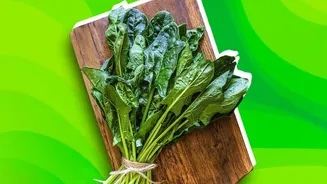
So, how does this work? The magic lies in fibre. When you eat fibre-rich foods like raw greens, they form a viscous, gel-like mesh in your digestive tract. This mesh acts as a natural barrier, or 'gate'. It physically slows down the rate at which your stomach empties and delays the absorption of glucose from the carbohydrates that you eat later in the meal. Instead of a flood of sugar hitting your bloodstream all at once, you get a slower, more controlled release. This 'flattens the curve' of your blood sugar, giving you steadier, more sustained energy without the dramatic peak and crash.
Your 'Greens First' Starter Kit
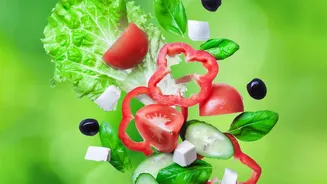
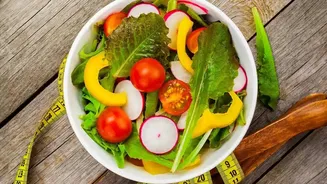
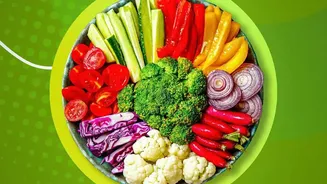
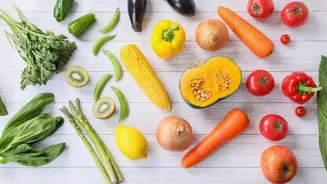
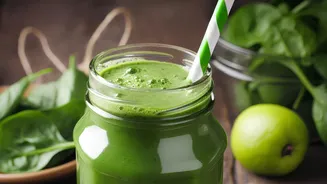
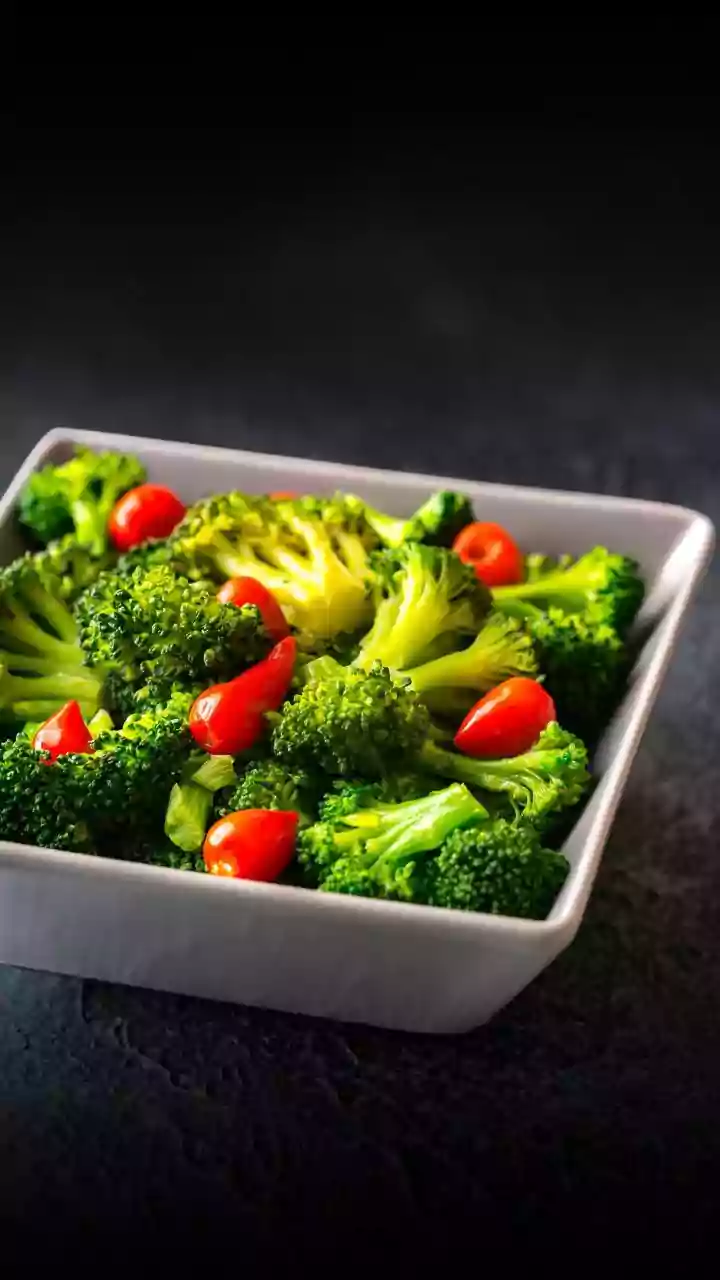
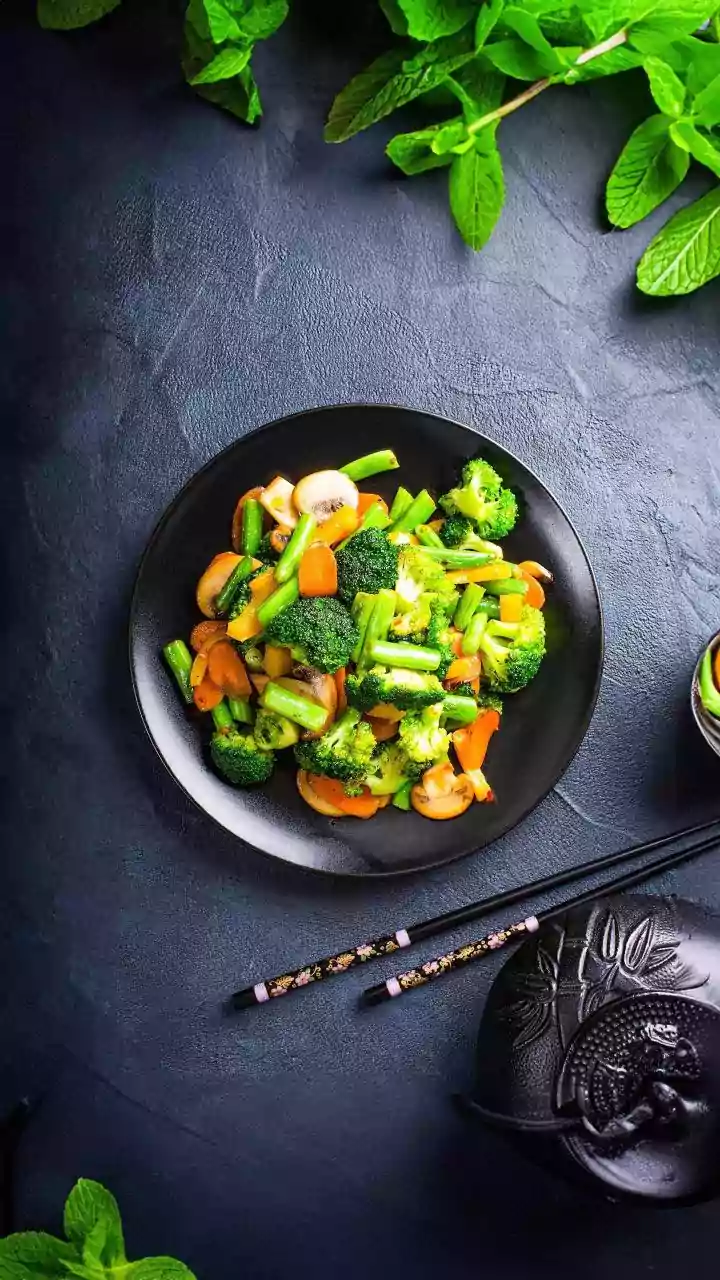
Implementing this strategy is easy and doesn't require overhauling your entire diet. The goal is simply to begin your meal with a dose of fibre. Think of it as a small appetiser before the main event. Great options include a simple side salad with a light vinaigrette, a handful of raw cucumber and tomato slices, or even some raw carrots and bell peppers. In an Indian context, this could be a simple kachumber salad (cucumber, tomato, onion) before you have your dal, sabzi, and roti or rice. The key is to consume these fibrous vegetables on an empty stomach, right at the start of your meal, to create that protective layer.
Benefits Beyond Blood Sugar
The advantages of this habit extend beyond just smooth energy levels. Starting your meal with vegetables, which are high in volume and low in calories, can help you feel full faster. This can lead to better portion control and may support weight management over time. Furthermore, a diet rich in fibre is linked to a host of long-term health benefits, including a lower risk of heart disease and type 2 diabetes, improved gut health, and better digestion. Eating vegetables raw also ensures you get the maximum amount of certain heat-sensitive vitamins and beneficial enzymes. It’s a small change that offers a powerful return on your health.