



The Urban Oven Effect
Our cities are getting hotter, and it’s not just due to climate change. A phenomenon known as the Urban Heat Island (UHI) effect plays a significant role. Vast expanses of dark asphalt roads and concrete surfaces, which cover up to a third of a typical
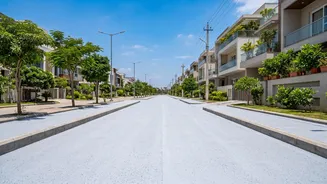
city, absorb between 80% to 95% of the sunlight that hits them. This stored energy is then radiated back into the air as heat, especially after sunset, preventing urban areas from cooling down at night. In densely populated Indian cities, where green spaces are scarce, this effect is amplified, leading to higher energy consumption for air conditioning, increased air pollution, and significant health risks during heatwaves.
A Cooler Path Forward
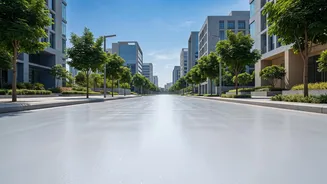
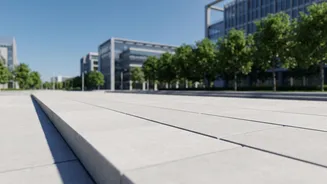
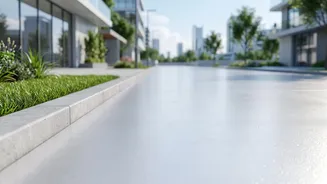
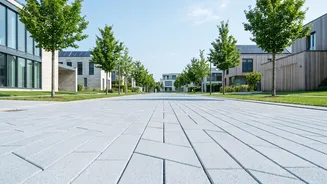
Imagine a street that stays cooler in the sun. This is the promise of 'cool pavements'. The latest innovation in this field involves bio-engineered coatings—specialised surfaces designed to fight the heat. While the term may sound complex, the core idea is often inspired by nature (biomimicry) or involves using natural and recycled materials. These aren't entirely new roads, but rather thin, reflective coatings applied over existing asphalt. The goal is to change how the surface interacts with the sun, turning our streets from heat absorbers into heat reflectors.
How Science Lowers the Temperature
The primary mechanism behind cool coatings is increasing solar reflectance, or 'albedo'. Instead of absorbing the sun’s energy, these coatings bounce it back. This is achieved by embedding highly reflective pigments, such as those derived from minerals like calcite (calcium carbonate), into a durable binder. Some advanced formulas even use bio-based binders or incorporate materials like recycled aggregates and hemp fibres to create a more porous surface that can cool itself through evaporation, similar to how plants cool the air. Studies, including a major pilot program in Phoenix, USA, have shown that these coatings can lower pavement surface temperatures by as much as 10-12°F (around 5.5-6.7°C). This seemingly small change at the surface level can lead to a noticeable drop in the ambient air temperature when applied across a neighborhood.
Benefits Beyond the Thermometer
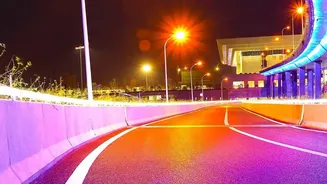
The advantages of cooler streets extend far beyond simple comfort. Lower ambient temperatures mean less demand for air conditioning in nearby buildings, leading to significant energy savings and a reduction in greenhouse gas emissions. By cooling the air, these pavements can also slow down the chemical reactions that form smog, leading to better air quality. Another underrated benefit is improved nighttime visibility; lighter-coloured pavements reflect streetlights more effectively, which can enhance road safety for drivers, cyclists, and pedestrians alike. Furthermore, by reducing the extreme temperature fluctuations that cause asphalt to crack and deform, these coatings can protect the pavement and extend its lifespan, potentially lowering long-term maintenance costs.
The Road Ahead for India
While cities like Los Angeles and Phoenix have already started implementing cool pavement programs, the concept is still emerging in India. For a country on the frontline of the global heat crisis, such innovations are critical. The challenge lies in adapting this technology for Indian conditions, considering factors like heavy traffic, monsoon rains, and local material availability. The cost of application and the durability of the coatings are key considerations for widespread adoption. However, with many Indian cities already developing Heat Action Plans and exploring strategies like cool roofs, incorporating cool pavements is a logical next step. As a scalable solution that can be integrated into regular road maintenance schedules, it offers a practical way to build more resilient and livable cities for the future.