


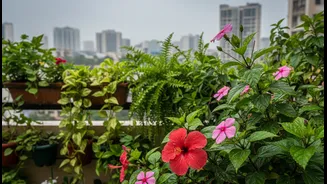


Why This Rainy Season Is Your Best Start
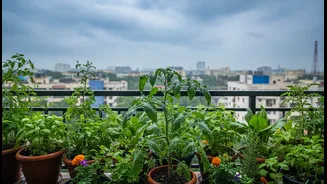
For city gardeners, the monsoon is a magical time. The consistent rain, high humidity, and moderate temperatures create a natural greenhouse effect, perfect for new plants. According to horticultural experts, the survivability of saplings and the germination
rate of seeds are significantly higher during June and July in Bengaluru. The cool, moist air helps roots establish themselves quickly, and the rain does most of the watering for you. This means less stress for your plants and less work for you. If you've ever thought about gardening but felt intimidated, this is your sign. Nature is literally giving you a head start.
What to Plant: Beginner-Friendly Choices
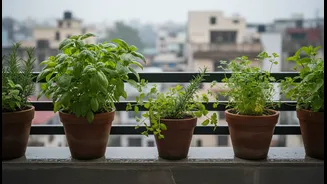
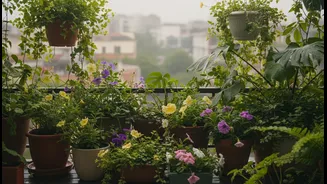
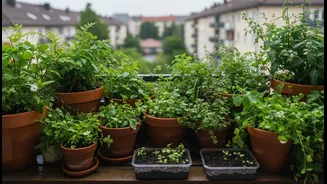
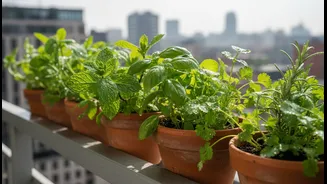
The key is to start with plants that are forgiving and thrive in these conditions. Don't aim for a full farm; a few successful pots will bring you joy. Good options for the Bengaluru monsoon include leafy greens, herbs, and some vegetables. Spinach (palak), coriander (dhaniya), and fenugreek (methi) grow incredibly fast and can be harvested in weeks. For something more substantial, try green chillies, brinjal, or okra, all of which love the humidity. Tomatoes are also a great choice for pots, provided they have support. If you want flowers, marigolds are a fantastic option; they are hardy, add a pop of colour, and even help repel pests.
Your Starter Kit: The Bare Essentials
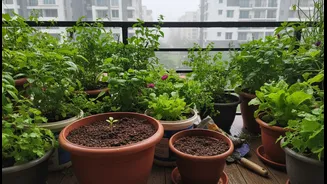
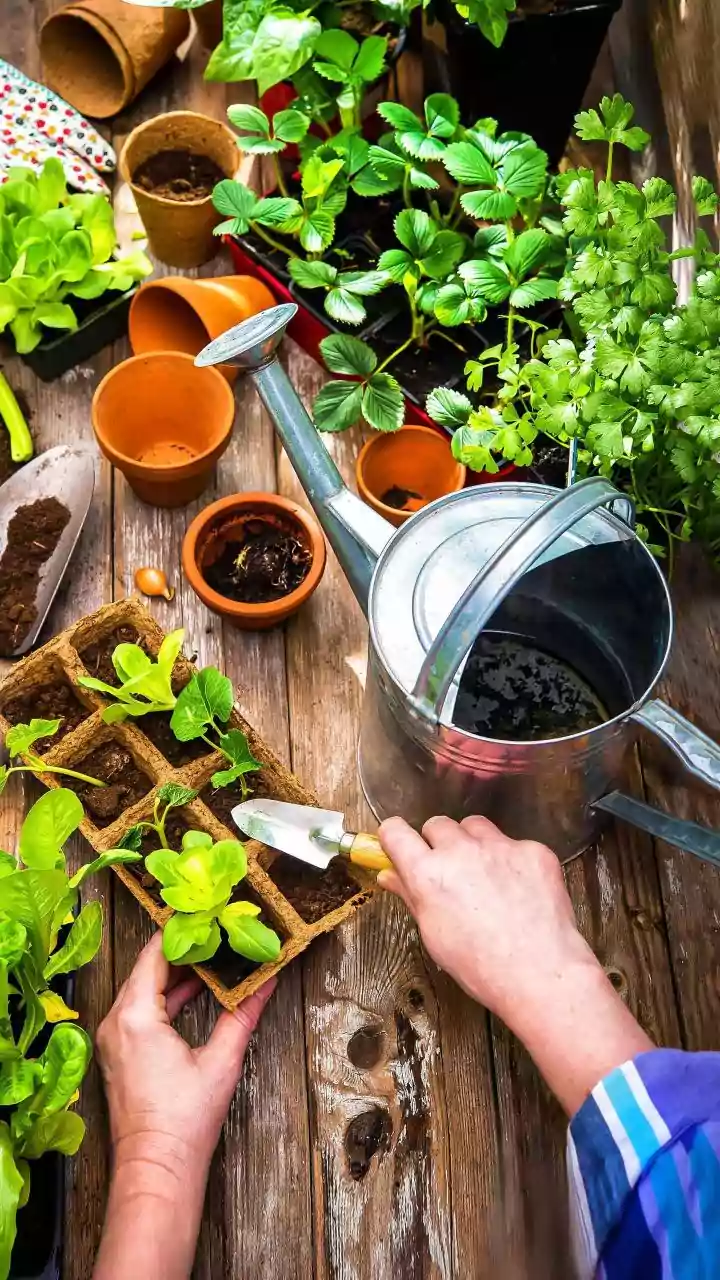
You don't need a massive budget or a trip to a specialty store. Many online and local nurseries in Bengaluru offer starter kits. However, all you really need are a few basic items. First, containers with drainage holes are a must to prevent waterlogging, which is a key risk during the monsoon. You can upcycle old plastic bottles or buckets. Second, a good potting mix is crucial. Instead of using heavy garden soil, look for a lighter mix containing cocopeat, compost, and soil, which helps with drainage and provides nutrients. Finally, you'll need seeds or small saplings, a small trowel (khurpi), and a watering can for days when the rain takes a break.
Simple Steps to Get Started This Weekend
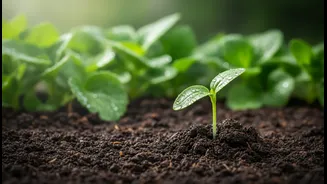
Gardening is simpler than it looks. First, fill your chosen container with the potting mix, leaving a little space at the top. Moisten the soil before planting. If using seeds, sow them at a depth roughly twice their size. For saplings, gently place the root ball in a small hole and cover it with soil. Place your new plant in a spot that gets about four to six hours of sunlight. While the monsoon rain is helpful, don't let your pots become waterlogged. If the rain is very heavy, you might need to move them to a more sheltered spot on your balcony. Check the soil with your finger; if it feels wet an inch deep, you don't need to water it.
Avoiding Common Beginner Mistakes
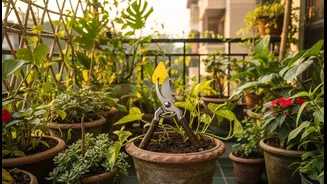
The biggest mistake beginners make during the monsoon is overwatering. The constant rain can easily lead to root rot. Always ensure your pots have good drainage holes. Another common issue is pests, as the humidity can attract them. A simple, organic solution is a neem oil spray. Mix a few drops of neem oil with water and a bit of liquid soap, and spray it on your plants every couple of weeks as a preventive measure. Also, don't overcrowd your plants. Good air circulation is essential to prevent fungal diseases that are common in the humid monsoon weather.