




The 'No PUC, No Fuel' Mandate Explained
In a significant move to combat rising air pollution ahead of the winter season, authorities have expanded the 'No PUC, No Fuel' rule across the entire Delhi-NCR. While Delhi has experimented with this system before, the directive from the Commission
for Air Quality Management (CAQM) now mandates its enforcement throughout the region, including key satellite cities like Noida, Ghaziabad, and Gurugram. The rule is straightforward: fuel stations are required to verify a vehicle's PUC status before dispensing fuel. This policy shifts the enforcement focus from random roadside checks to a mandatory checkpoint during every refueling stop, aiming to ensure that all vehicles on the road comply with emission norms. The implementation is part of a broader strategy under the Graded Response Action Plan (GRAP) to clean the region's notoriously poor air.
Why This Rule Is Being Enforced Now
The timing of this intensified enforcement is directly linked to the annual spike in air pollution that plagues Delhi-NCR each winter. As temperatures drop, a combination of factors including stubble burning in neighboring states, construction dust, and industrial and vehicular emissions get trapped in the atmosphere, leading to hazardous Air Quality Index (AQI) levels. Vehicular pollution is a major contributor to this crisis. By making a valid PUC certificate a prerequisite for fuel, the government aims to systematically remove non-compliant, high-polluting vehicles from the roads. This measure is seen as a more effective way to enforce existing laws, which already mandate that every vehicle carry a valid PUC certificate. The rule is one of many aggressive steps in Delhi's Winter Action Plan to prevent the air quality from deteriorating to severe levels.
How Fuel Pumps Will Verify Your PUC
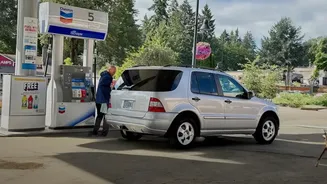
The enforcement relies heavily on technology. Around 500 fuel stations in Delhi are being equipped with Automatic Number Plate Recognition (ANPR) cameras. These cameras will scan a vehicle's number plate upon entry and check it against the central Parivahan database to verify its PUC status in real-time. At pumps where ANPR systems are not yet installed, staff have been trained to use a mobile app to manually enter or scan the registration number. This digital verification means that simply carrying a paper certificate might not be enough if the database hasn't been updated. Fuel station operators who fail to comply with the verification process may also face penalties, making them a key part of the enforcement chain.
A Guide to PUC Certificate Compliance
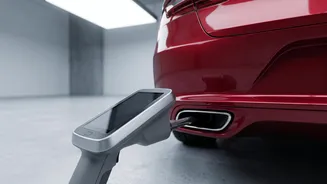
For vehicle owners, the path to compliance is clear. A new car's initial PUC certificate is valid for one year. After that, vehicles compliant with BS-IV and later emission standards require annual renewal, while older vehicles may need testing more frequently. To get a PUC test, you must take your vehicle to an authorized emission testing center, which are commonly located at petrol pumps. A technician will analyze the exhaust emissions. If the levels of carbon monoxide and other pollutants are within the prescribed limits, a certificate is issued on the spot. The cost is nominal, typically ranging from ₹60 to ₹100 depending on the vehicle type. You can check your PUC's validity and download a copy online through the Parivahan portal.
Potential Challenges and What to Expect
The initial rollout of such a widespread rule is expected to have some teething issues. On the first day of enforcement, long queues were reported at both fuel stations and PUC testing centers as many motorists rushed to renew their certificates. Potential challenges include internet connectivity issues affecting the verification app, difficulties for ANPR cameras in reading non-standard or dirty number plates, and possible congestion at pumps during peak hours. Vehicle owners are advised to check their PUC status immediately and get it renewed well before their tank runs empty to avoid being stranded. Ensuring your number plate is clean and clearly legible will also help facilitate a smoother verification process at automated pumps.