




The Allure of the Monsoon Sky
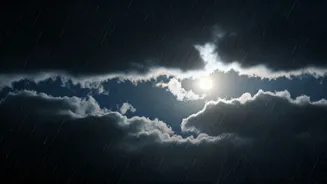
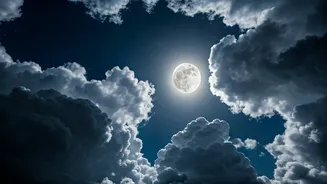
Why would anyone trade a cosy evening indoors for the chance of seeing a sliver of the moon through thick cloud cover? The answer lies in the drama. A regular clear night is beautiful, but the monsoon sky is a dynamic canvas. When the clouds finally part
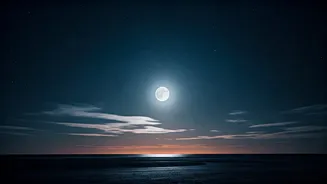
after a downpour, the moon that emerges seems brighter, hanging in air that has been washed clean of dust and haze. The atmosphere is often exceptionally stable in these brief windows, offering views of a sharpness that can be rare in the pre-monsoon summer months. It’s not just about seeing the moon; it’s about the breathtaking contrast of light against the dark, shifting architecture of monsoon clouds. This celestial game of hide-and-seek transforms moonwatching from a passive activity into a thrilling, patient hunt.
Understanding the Twin Challenges
The obstacles are, of course, significant. The first and most obvious is the relentless cloud cover that blankets much of the subcontinent from June to September. Finding a break requires luck, timing, and a bit of strategy. The second, more insidious challenge is humidity. For anyone using binoculars or a telescope, the damp air is a persistent foe. Lenses can fog up instantly when taken outside. More critically, high humidity is the primary cause of fungal growth on optical coatings, which can permanently ruin expensive equipment in a single season if not managed properly. This is especially true in coastal cities, where the combination of salt and moisture in the air is particularly corrosive. Acknowledging these challenges is the first step to overcoming them.
Become a Tactical Weather Watcher
Success in monsoon moonwatching depends heavily on becoming a proactive weather watcher. Don’t just look outside; use technology to your advantage. Modern weather apps are invaluable, providing hourly forecasts for cloud cover, precipitation, and humidity. Look for patterns. The moments immediately following a heavy spell of rain often bring temporary clearings as the weather system moves on. Satellite imagery, which is readily available online from various weather services, can help you visually track cloud banks and identify potential gaps heading your way. Learn to read the sky. A clearing on the western horizon around sunset might mean a window of opportunity in the early evening. It’s about shifting from hoping for a clear night to actively hunting for a clear hour.
The Right Gear (And How to Protect It)
You don’t need a powerful telescope to start. In fact, the naked eye is perfectly sufficient to enjoy the drama of the monsoon moon. A good pair of binoculars, however, is probably the best all-round tool for the job. They are portable, easy to use, and offer wonderfully detailed views of lunar craters and seas. If you are a dedicated telescope user, protection is paramount. Always allow your instrument to acclimate to the outdoor temperature to minimize dew formation. The most important rule is proper storage. Keep your telescope and eyepieces in a climate-controlled, air-conditioned room. If that’s not possible, store them in a sealed, airtight case with a generous amount of rechargeable silica gel desiccant to absorb moisture. Never cap or case a telescope that is even slightly damp; let it air dry completely indoors first.
Key Dates for Your 2026 Monsoon Calendar
Targeting specific dates can make the effort feel more focused. For the 2026 monsoon season, mark your calendar for the full moons, which are spectacular if you catch a break in the clouds. Key dates include June 30, July 29, August 28, and September 26. While a full moon is bright, the darkest skies for seeing other objects occur around the new moon. If you get a clear, moonless night, look for bright planets or constellations. The new moon dates for the season are July 14, August 12, and September 11. These nights are your best bet for trying to spot the faint glow of the Milky Way, another incredible sight that benefits from the rain-washed clarity of the monsoon air.