




The Allure of the Liquid Lunch
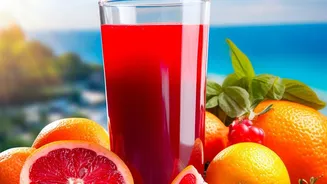
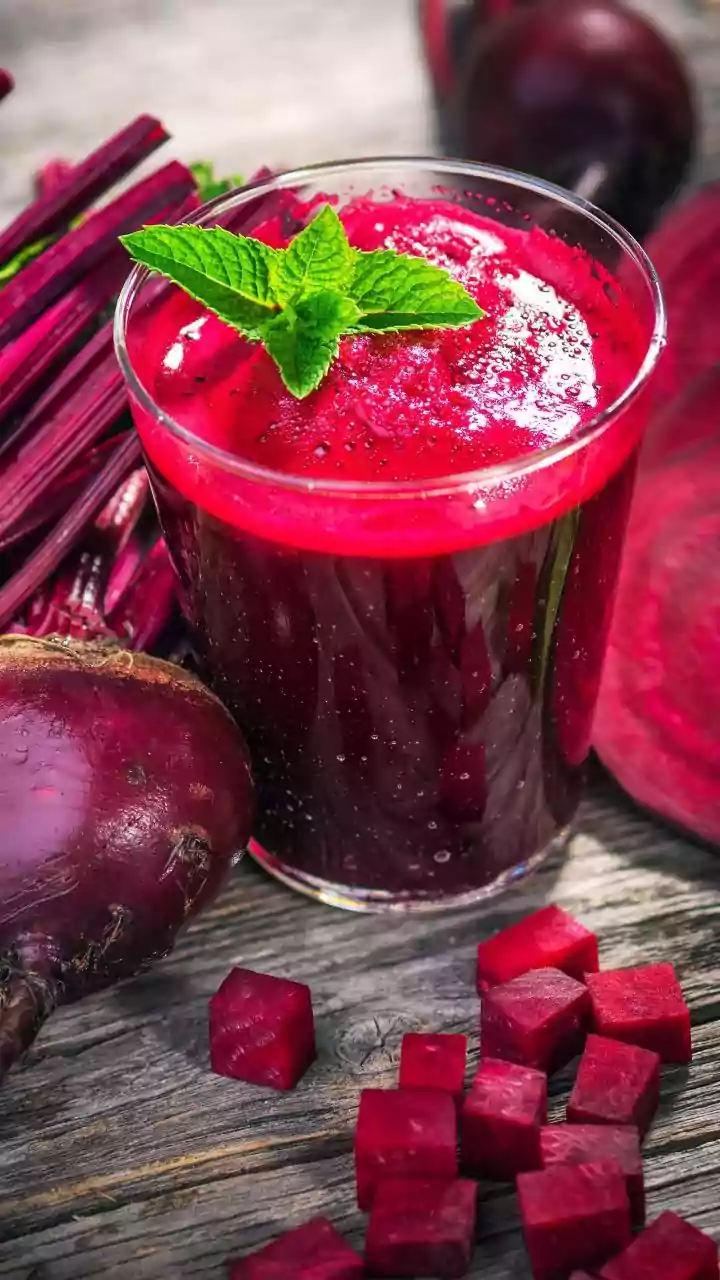
Cold-pressed juice is made using a hydraulic press to extract liquid from fruits and vegetables, a method that uses immense pressure without generating the heat of traditional centrifugal juicers. Proponents celebrate this for preserving more heat-sensitive
vitamins and minerals. The result is a nutrient-dense, convenient beverage that makes getting your five-a-day seem effortless. For many with busy lives, sipping a bottle of green juice feels like a practical and healthy choice. However, the key difference between juice and whole fruit isn't just the vitamins that are kept, but the fibre that is discarded. The pulp, skin, and seeds are separated and left behind, and with them goes a crucial nutritional component.
Meet Fibre: The Soluble and the Insoluble
Dietary fibre comes in two main forms: soluble and insoluble, and our bodies need both. Soluble fibre dissolves in water to form a gel-like substance in your digestive system. It's known for helping to lower cholesterol and control blood sugar levels. Insoluble fibre, on the other hand, does not dissolve in water. It acts more like a scrub brush, adding bulk to stool and helping food pass more efficiently through the digestive system, which promotes regularity and overall gut health. Insoluble fibre is found in things like whole wheat, nuts, seeds, and importantly, the skins and pulp of many fruits and vegetables.
How Juicing Separates the Fibre
The very process that defines cold-pressed juicing is what strips out most of the insoluble fibre. As the hydraulic press squeezes fruits and vegetables, it separates the liquid from the solid parts. While some of the soluble fibre remains in the juice, the bulky, non-dissolving insoluble fibre is left behind in the pulp. Depending on the juicer, up to 90% of the total fibre can be removed. What you're left with is a beverage containing vitamins, minerals, and the natural sugars of the produce, but without the structural fibre that nature intended you to consume with it.
The Blood Sugar Rollercoaster
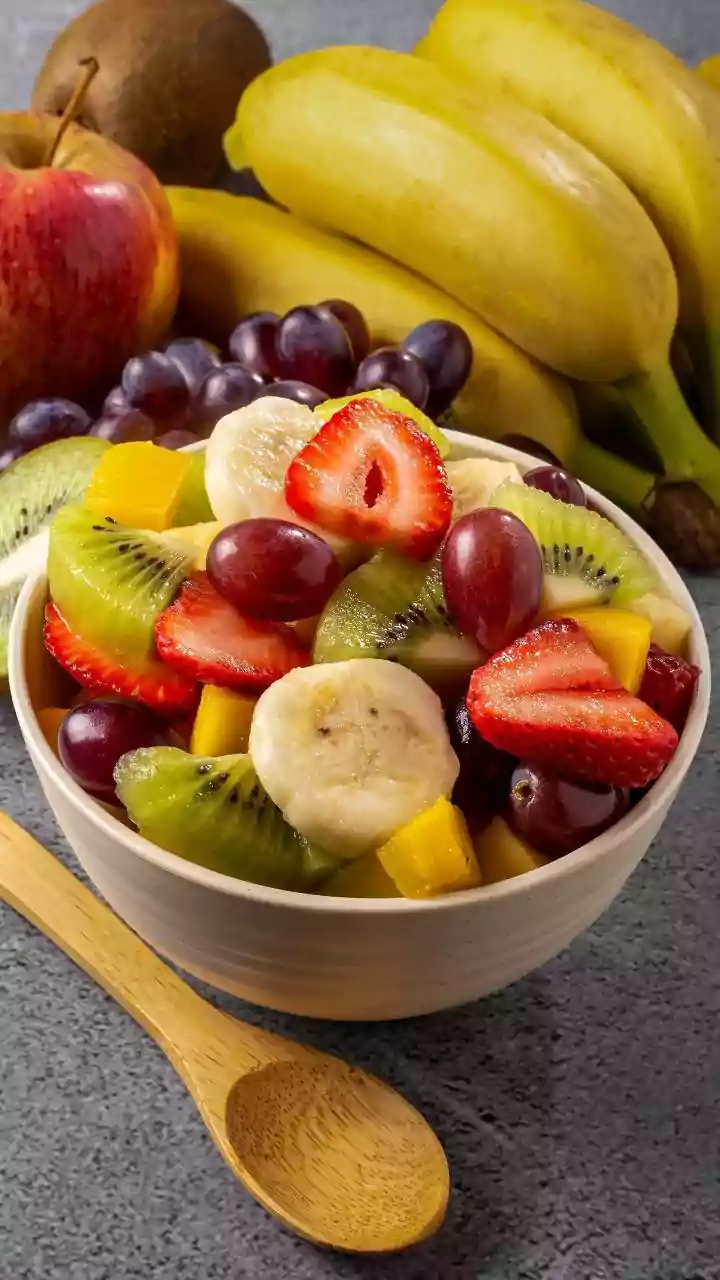
When you eat a whole apple, its fibre content slows down digestion. This means the natural sugars are released gradually into your bloodstream, preventing a sharp spike in blood glucose. When you drink the juice of that same apple, its sugars are absorbed very quickly because the insoluble fibre isn't there to act as a brake. This can lead to a rapid increase in blood sugar, followed by a potential crash, which can leave you feeling tired and craving more sugar. While fibre itself doesn't get absorbed and turned into glucose, its presence is critical for regulating how your body processes the sugars you consume with it.
Why You Still Feel Hungry
Have you ever downed a juice only to feel hungry again shortly after? The lack of insoluble fibre is largely to blame. Fibre adds bulk and slows stomach emptying, contributing significantly to the feeling of satiety, or fullness. Chewing whole foods also sends signals to your brain that you're eating and helps you feel satisfied. By drinking your calories in liquid form, you bypass these important satiety mechanisms. This is why studies suggest that juice is not as satiating as whole food, which can lead to consuming more calories overall if the juice is added to your diet rather than used as a replacement.
Finding a Healthy Balance
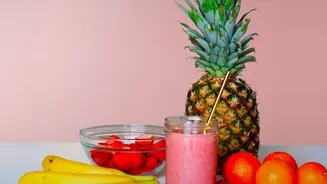
This doesn't mean cold-pressed juice has no place in a healthy diet. It can be a good source of concentrated vitamins and minerals. However, it's best viewed as a supplement rather than a substitute for whole fruits and vegetables. For a more balanced approach, consider blending produce into a smoothie instead, which retains all the fibre by using the whole fruit or vegetable. If you enjoy juices, try to prioritize those that are mostly vegetable-based to lower the sugar content and consider pairing your juice with a source of fibre and protein, like a handful of nuts, to help stabilise blood sugar and increase satiety.