




A Deep Freeze in Zero G
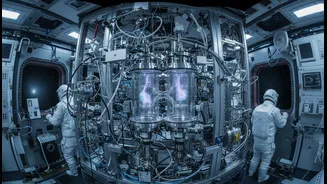
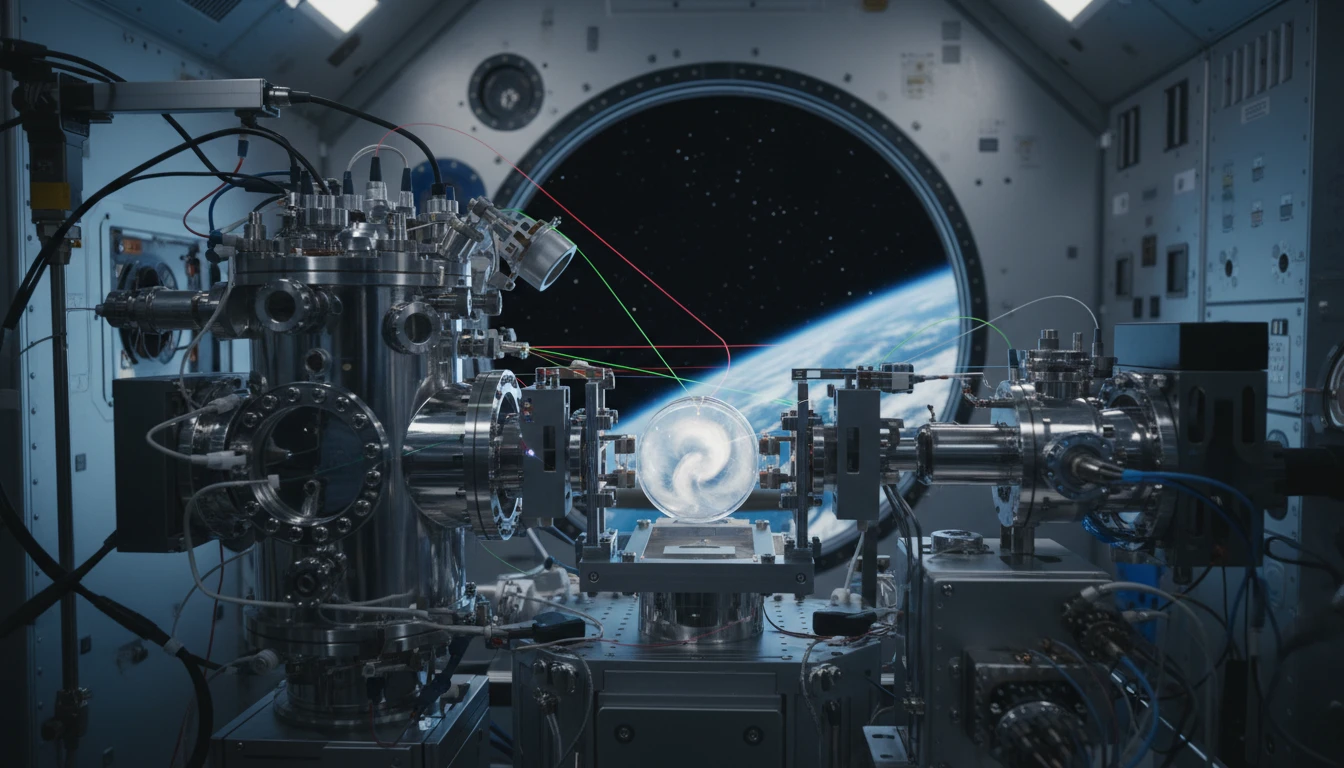
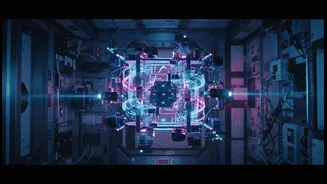
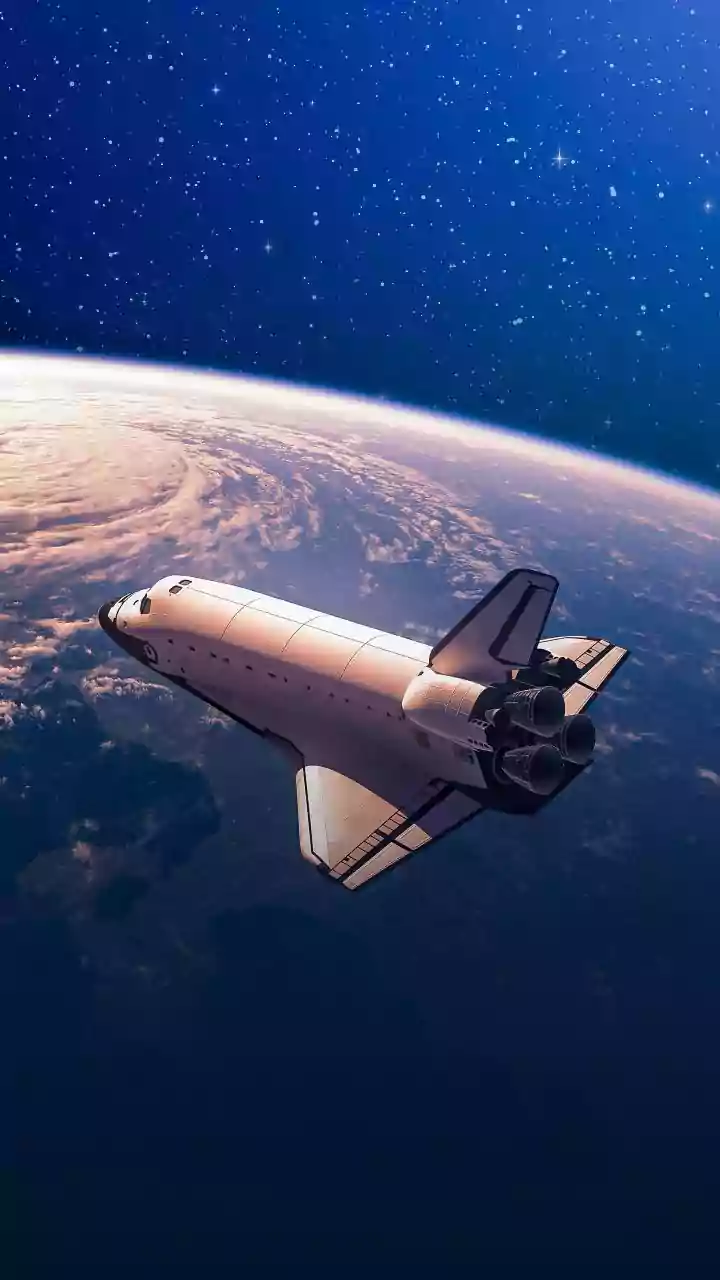
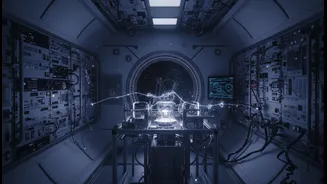
The laboratory in question is NASA’s Cold Atom Lab (CAL), a facility roughly the size of a mini-fridge that has been operating on the International Space Station (ISS) since 2018. Its mission is to chill atoms down to temperatures just a fraction of a degree
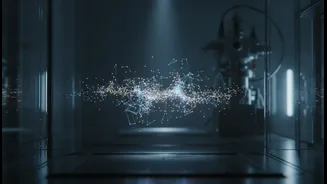
above absolute zero, or about minus 273 degrees Celsius. At these extreme temperatures, atoms slow down and begin to exhibit strange quantum properties on a larger scale. They can form a bizarre state of matter known as a Bose-Einstein condensate (BEC), where thousands of individual atoms behave like a single, massive quantum wave. This state was predicted by Albert Einstein and Indian physicist Satyendra Nath Bose in the 1920s but only created in a lab for the first time in 1995. The CAL became the first facility to produce a BEC in Earth orbit.
The Quantum 2.0 Upgrade
The latest enhancement, installed by astronauts in mid-2026, marks the fourth major upgrade to the lab. The new hardware includes a redesigned magnetic trap, which gives scientists more flexibility to shape and manipulate the quantum gas clouds. Engineers also improved the metal strips of rubidium and potassium that are heated to create the initial atom clouds for the experiments. These upgrades allow scientists to create larger and colder quantum gases than ever before. This enables more precise measurements and opens the door to new types of experiments, including the study of how different atomic species interact at ultracold temperatures. As one scientist put it, this is about performing "Quantum 2.0" — the direct manipulation of large quantum states.
Why Bother Doing This in Space?
The key advantage of the ISS is its microgravity environment. On Earth, gravity is a constant interference in these delicate experiments. The atomic clouds in a BEC are pulled downwards and can only be observed for fractions of a second before they dissipate. In the continuous freefall of orbit, these quantum states can be maintained for much longer — up to ten seconds or more. This extended observation time allows scientists to study the subtle quantum effects that are impossible to see on the ground. Essentially, space provides a purer and more stable environment to probe the fundamental laws of physics, allowing the wave-like nature of matter to dominate without Earth's gravitational pull getting in the way.
The Payoff on Earth and Beyond
While studying the fundamental nature of the universe is a primary goal, the research has immense practical implications. This work is laying the foundation for a new generation of quantum technologies. These include the development of ultra-precise atomic clocks and quantum sensors that could be used for autonomous spacecraft navigation in deep space, where GPS is unavailable. Such sensors could also create incredibly detailed maps of the gravity of Earth and other planets, helping us understand everything from water movement to planetary composition. Furthermore, these experiments are crucial for developing future quantum communication networks, which promise unhackable data transmission, and quantum computers capable of solving problems that are intractable for today's machines.