


Meet the Celestial Trio
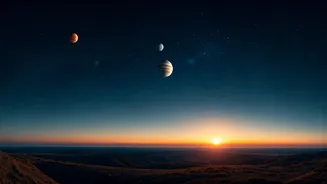
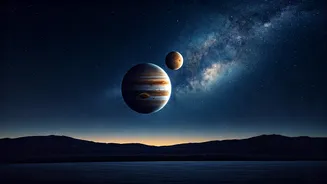
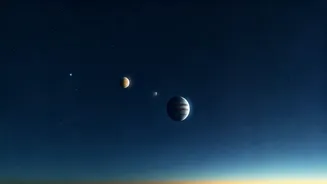
So, who are the stars of tonight's show? You'll be looking for three of our solar system's most captivating planets: Venus, Jupiter, and Mercury. Venus, often called the 'Evening Star', will be the most brilliant of the three. You simply can't miss it;
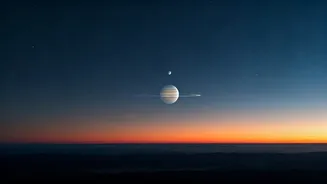
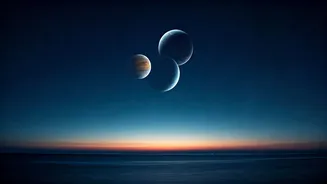
it will look like an incredibly bright, steady light that outshines every other star in the sky. A little further away, you'll spot Jupiter, the king of planets. While not as dazzling as Venus, it will still appear as a very bright, un-twinkling point of light. The trickiest one to spot will be Mercury. As the planet closest to the sun, it never strays far from its glare. It will appear as a fainter dot, likely positioned closest to the horizon. Seeing all three together is a special treat.
Your Viewing Guide: When and Where
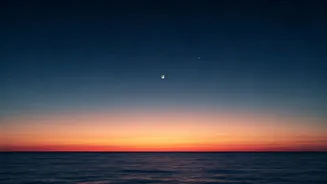
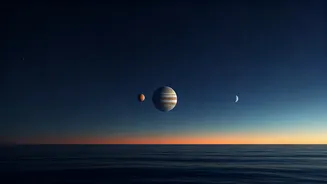
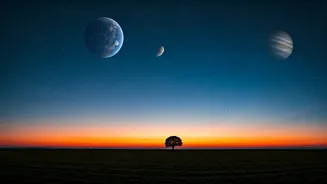
Timing and location are everything for successful sky-watching. The best window to see this planetary trio is roughly 30 to 75 minutes after the sun has completely set. Find a spot with an unobstructed view of the western horizon — think balconies, terraces, parks, or any open area that isn’t blocked by tall buildings or trees. As dusk settles and the sky darkens from a deep orange to an inky blue, the planets will begin to pop into view. Venus will likely appear first, followed by the great Jupiter. Mercury will be the last to reveal itself as the twilight fades, lingering just above the point where the sun disappeared. Be patient; your eyes need a few minutes to adjust to the dimming light.
No Telescope Needed
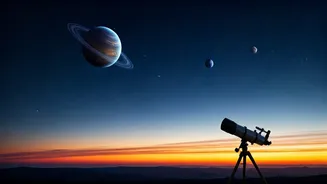
Here’s the best part: you don't need any fancy equipment. This celestial event is a 'naked-eye' spectacle, accessible to absolutely everyone. A telescope would certainly magnify the view, perhaps even revealing Jupiter's largest moons as tiny pinpricks of light, but it’s not necessary to enjoy the sheer beauty of the alignment. In fact, a wide-field view without magnification is often better for appreciating the geometry of the gathering. If you have a pair of binoculars, they can be a great middle ground. They will make the planets appear sharper and brighter, and might just be enough to resolve Mercury more clearly from the twilight glow. But if all you have are your own two eyes, that’s more than enough.
What 'Alignment' Really Means
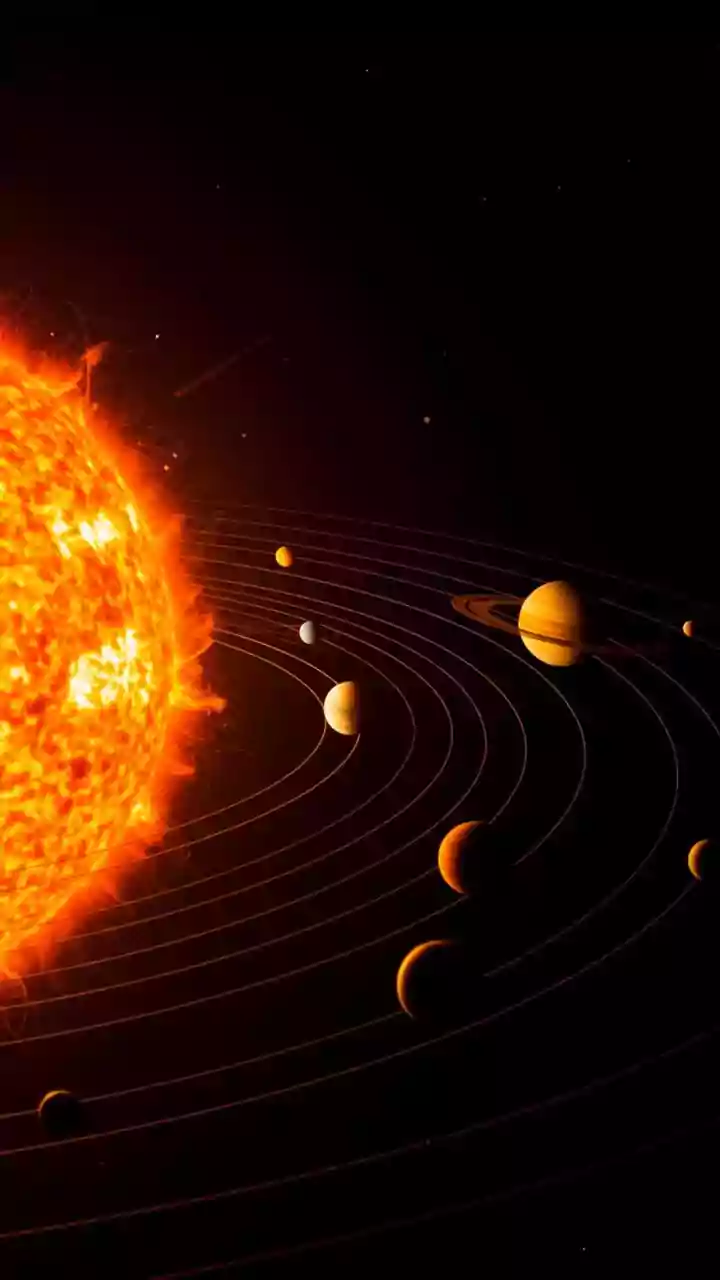
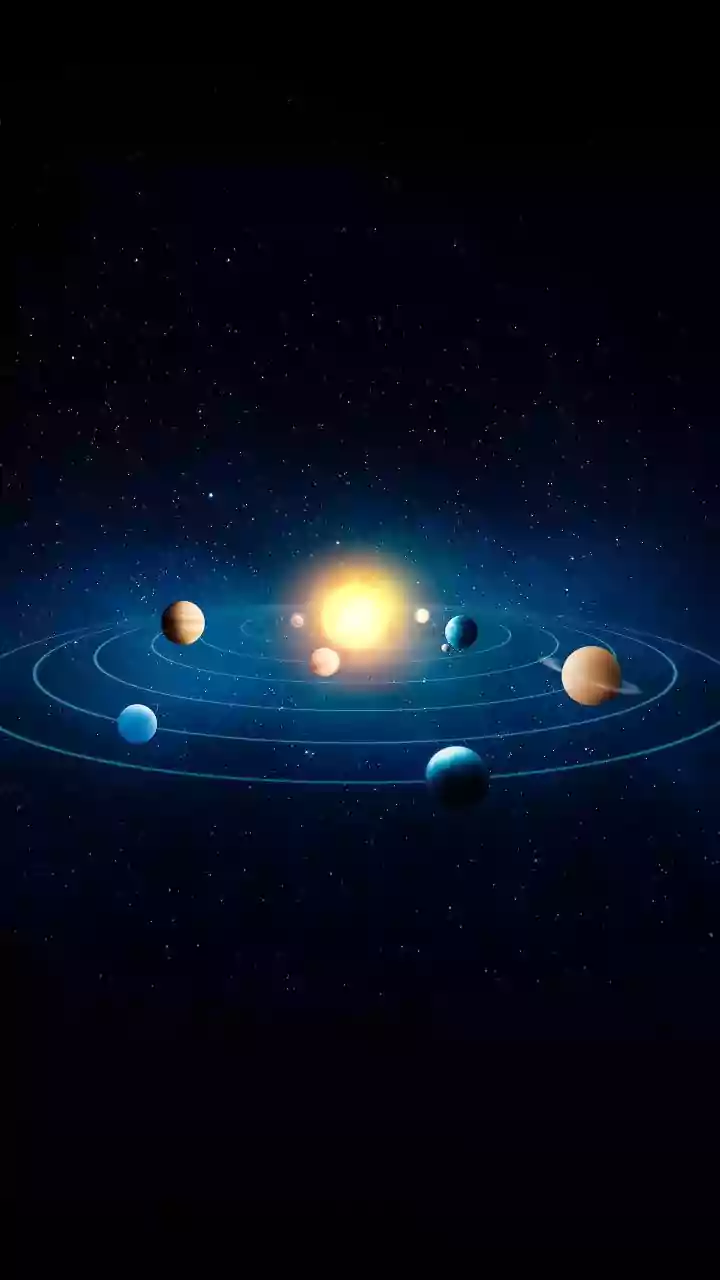
While we use the word 'alignment', the planets aren't actually forming a straight line in space. That would be an impossibly rare event! What we're seeing is a 'conjunction'— a beautiful illusion created by our perspective here on Earth. The planets are all orbiting the sun on different paths and at different speeds. Tonight, their current positions happen to make them appear close together in our sky. Venus is our closest planetary neighbour in this lineup, while Jupiter is hundreds of millions of kilometres further away. They are separated by vast, unimaginable distances, yet from our vantage point, they gather for a brief, elegant meeting in the evening sky. It’s a humbling reminder of the grand, three-dimensional nature of our solar system.