







Why Humidity Hijacks Your Sleep
To fall asleep and stay asleep, your body's core temperature needs to drop slightly. A key way the body achieves this is through sweating. As sweat evaporates from your skin, it creates a cooling effect. However, when the air is already saturated with
moisture—as it is in high humidity—evaporation slows down dramatically. This leaves you feeling clammy and overheated, as your body's natural air conditioning system can't work efficiently. Studies show this can lead to increased wakefulness and less time spent in the deep, restorative stages of sleep, like NREM and REM sleep. Beyond discomfort, high humidity can also create an environment where allergens like dust mites and mold thrive, potentially worsening respiratory issues and further disrupting sleep.
Find Your Bedroom's Ideal Humidity
The goal isn't to eliminate all moisture, but to find a healthy balance. Most experts, including the Environmental Protection Agency (EPA), recommend maintaining an indoor relative humidity level between 30% and 50%. This range is the sweet spot: it's moist enough to keep your airways from becoming dry and irritated, but dry enough to prevent the growth of mold and dust mites. Anything consistently above 60% is generally considered too high. To know where your home stands, you can use a simple, inexpensive device called a hygrometer, which measures the moisture content in the air. Some smart thermostats also have this feature built-in.
Your First Line of Defence: AC and Dehumidifiers
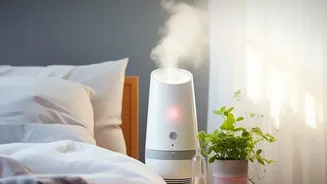
The most direct way to tackle high humidity is with mechanical help. An air conditioner is a powerful tool because it naturally dehumidifies the air as part of its cooling process. Setting it to a cool, comfortable temperature between 15-19°C can significantly improve sleep quality. For targeted moisture removal without the intense cooling, a portable or whole-home dehumidifier is an excellent investment. These appliances are designed specifically to pull water vapor out of the air, helping you maintain that ideal 30-50% humidity level. Just be sure to empty the collection tank regularly.
Choose Your Fabrics Wisely
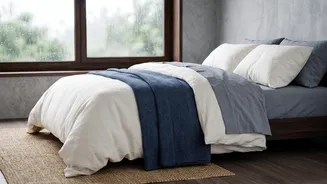
The materials you sleep on and in make a huge difference. Heavy, synthetic fabrics like polyester or flannel trap heat and moisture. Instead, opt for natural, breathable materials that excel at moisture management. Linen is a classic choice for humid climates because its hollow fibres allow for exceptional airflow and it can absorb significant moisture while still feeling dry. Bamboo and Tencel (Lyocell) are other top performers, known for their silky feel and superior moisture-wicking abilities that pull sweat away from the skin to evaporate. If you prefer cotton, choose a percale weave; its crisp, one-over-one-under structure is far more breathable than dense sateen weaves.
Improve Your Home’s Airflow
Stagnant air traps humidity. Improving circulation can help whisk moisture away. Use exhaust fans in the bathroom when you shower and in the kitchen when you cook—and let them run for 15-20 minutes afterward to clear lingering steam. Ceiling fans or standing fans don't lower humidity, but they help with sweat evaporation by keeping air moving across your skin. Also, keep interior doors open to encourage airflow between rooms. On less humid days or at night, opening windows can bring in drier air, but be sure to close them when the outdoor humidity is high.
Low-Tech and Budget-Friendly Hacks
You don't need expensive gadgets to make a difference. Taking a cool or lukewarm shower before bed can help lower your body temperature. You can also try natural moisture absorbers in smaller, enclosed spaces like closets. A simple bowl of baking soda or charcoal briquettes can effectively pull moisture from the air. Some indoor plants can also contribute to humidity, so if your bedroom feels particularly damp, consider moving dense clusters of plants to another room. Finally, drying laundry indoors releases a large amount of moisture, so try to dry clothes outside whenever possible.