









The Menu Is the Map
A fundamental shift is happening in how we plan our holidays. For a growing number of travellers, the first question isn't 'What will we see?' but 'What will we eat?'. This is the heart of culinary tourism, a trend that has moved from a niche interest
to a primary travel motivator. According to a 2026 travel study, nearly 80% of travellers say food is an important factor when choosing a destination. [17] It's no longer about finding a decent restaurant near the hotel; it's about booking a flight because you've dreamt of trying an authentic dish at its source. This global phenomenon, with a market expected to grow at a compound annual growth rate of over 17%, is redefining tourism by placing food at the centre of the experience. [2]
From Michelin Stars to Street Carts
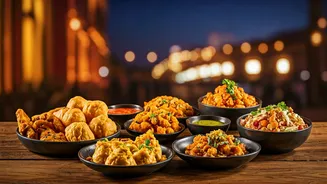
This culinary quest isn't limited to white tablecloths and exorbitant tasting menus. In fact, for many, the opposite is true. The modern food traveller is driven by a desire for authenticity, which can be found as readily in a bustling street-side stall as in a Michelin-starred restaurant. [17] The goal is to taste a place in its truest form. This could mean seeking out the legendary vada pav from a specific vendor in Mumbai, trekking to a dhaba in Amritsar for the perfect kulcha, or finding the small family-run eatery in Lucknow that locals swear has the best Galouti kebabs. [18, 22] It’s about the experience, the story, and the connection, proving that a perfect bowl of noodles can create a memory as powerful as any fine dining meal. [17]
The Instagram Effect
You can’t talk about food travel without mentioning social media. Platforms like Instagram have turned local food into a global spectacle, creating a visual bucket list for millions. That perfectly golden dosa or a vibrant platter of chaat is no longer just a meal; it's shareable content that inspires wanderlust in others. Younger generations, in particular, are planning their trips around local food experiences they discover online. [9] Food influencers and travel vloggers act as digital guides, unearthing hidden gems and turning a humble local snack into a must-have experience. This digital word-of-mouth has supercharged the trend, making it easier than ever to discover, plan, and share food-centric journeys. [4]
More Than Just a Meal
Ultimately, chasing plates is about more than just satisfying hunger; it's a profound way to connect with a culture. Food is history, heritage, and community wrapped in one delicious package. [9] Engaging with a destination's cuisine—learning about its ingredients, understanding its traditions, and sharing a meal with locals—offers a deeper, more immersive travel experience. [3, 11] It’s the difference between being a tourist who simply observes and a traveller who participates. A cooking class, a food walk through an old city, or a visit to a local market provides a genuine window into the soul of a place that a museum tour rarely can. [8]
Discovering India, One Dish at a Time
This trend is particularly vibrant in India, a country whose culinary landscape is as diverse as its geography. The Indian culinary tourism market is booming, with projections showing it will reach over USD 316 Billion by 2034. [15] Indians are increasingly exploring their own country's gastronomic treasures. Foodies are travelling from one state to another on dedicated culinary missions: to Rajasthan for the fiery Laal Maas, to Kerala for the delicate Appam and stew, or to Delhi for the legendary Chole Bhature. [15, 18] A 2022 report highlighted that an overwhelming majority of experts believe Indians will increasingly travel just to experience the nation's rich culinary culture, from food walks to farm visits. [12]