





From Kirana to Keyboards
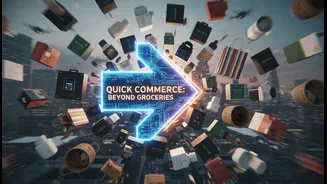
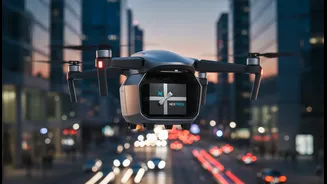
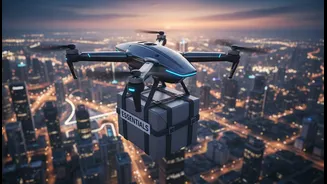
The 10-minute delivery promise, pioneered in India by platforms like Zomato’s Blinkit, Swiggy Instamart, and Zepto, has fundamentally altered urban consumer behaviour. What began as a solution for forgotten grocery items has rapidly expanded into a full-fledged
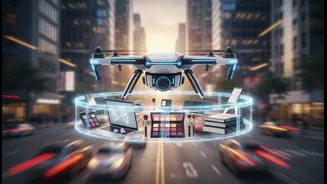
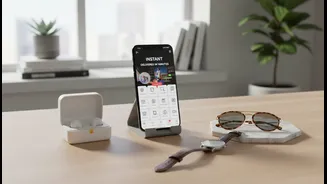
e-commerce battleground. Today, these apps offer everything from electronics and beauty products to clothing and sports goods. This strategic pivot is a deliberate move to chase higher profit margins than what low-cost daily staples can offer. As a result, non-grocery items now account for a significant and growing portion of sales on these platforms, making up as much as 20-25% of gross sales for some players. This shift is forcing all major retailers, including giants like Amazon and Flipkart, to invest in their own rapid delivery networks, making quick commerce a battle no one can afford to lose.
The New Consumer Habit
Why wait two days for a phone charger or a new lipstick when you can get it in the time it takes to watch a YouTube video? This is the core proposition driving consumer adoption. The expansion into new categories caters to a growing class of time-poor, convenience-seeking urban households. For many, especially millennials and Gen Z, the friction of traffic and time-consuming shopping trips makes instant delivery a default choice, not a luxury. This has led to a change in purchasing habits, moving from planned weekly shopping to smaller, more frequent on-demand buys. The platforms are no longer just for distress purchases; they are becoming the go-to app for impulse cravings, last-minute gifting, and everyday needs, from pet supplies to personal care.
Disruption for Traditional Retail
The rapid rise of quick commerce is creating significant challenges for traditional retailers, particularly the ubiquitous kirana stores that form the backbone of Indian retail. These small neighbourhood shops are finding it increasingly difficult to compete on price and convenience. Reports indicate that the aggressive expansion of q-commerce has contributed to the closure of a substantial number of kirana stores, especially in metro cities where platform density is highest. However, the story isn't entirely one-sided. Some traditional retailers are adapting by partnering with hyperlocal delivery networks or integrating digital tools to serve their loyal customer base. The future likely lies in a hybrid model where technology and traditional community trust coexist.
The High-Stakes Economic Model
Behind the promise of 10-minute delivery is a complex and expensive logistical operation. The model relies on a dense network of 'dark stores'—small, strategically located warehouses that serve a limited radius. Players like Blinkit and Zepto operate thousands of these micro-fulfilment centres across the country. While expanding into higher-margin categories like electronics seems profitable on paper, the economics are challenging. Issues like managing returns for high-value items, the risk of damage, and high operational costs can erode margins. Profitability remains a major question, with most players still burning significant cash to fund their expansion. Blinkit has recently shown signs of profitability, suggesting a path forward, but the long-term sustainability for the industry is still being tested. Another crucial revenue stream has emerged from advertising, with brands paying for visibility on these high-frequency platforms.