




What Makes a Workout 'Low-Impact'?
First, let's clear up a common confusion. 'Low-impact' doesn't mean low-intensity or easy. It simply refers to exercises that are gentle on your joints. A workout is considered low-impact if it keeps at least one of your feet on the ground at all times,
or if your body is supported by water or equipment. Think of walking, cycling, or swimming, as opposed to high-impact activities like running and jumping, which involve more jarring force on your ankles, knees, and hips. This makes low-impact exercise an ideal and accessible starting point for beginners, individuals with joint pain, or anyone recovering from an injury.
Build Your Body, Don't Break It
Jumping into a demanding routine too quickly is a recipe for disaster. Your cardiovascular system might adapt relatively fast, but your muscles, tendons, and ligaments need more time to strengthen. Gradual progression gives these tissues the chance to adapt, repair, and grow stronger, significantly reducing your risk of overuse injuries. The principle, known as progressive overload, is about challenging your body just enough to stimulate change without causing harm. By slowly increasing the demands, you prevent burnout and build a resilient foundation that can handle more intensity later on. This approach ensures that your fitness journey is sustainable for the long haul.
The Psychology of a Steady Start
The mental game of fitness is just as important as the physical one. When you start slowly, you focus on consistency over intensity, which is the key to forming a lasting habit. Each completed workout, no matter how gentle, is a small victory that boosts your confidence and motivation. This positive reinforcement loop makes you more likely to stick with your routine. In contrast, an all-or-nothing approach often leads to feeling overwhelmed, sore, and defeated, making it easy to quit. A mindful, deliberate approach to exercise can also reduce stress and anxiety, improve your mood by releasing endorphins, and enhance your overall sense of well-being.
Great Low-Impact Workouts to Try
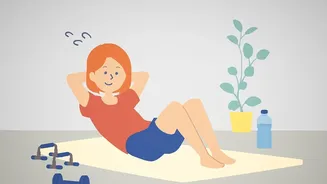
Ready to get started? The beauty of low-impact exercise is the sheer variety available. Walking is one of the most accessible and effective options. Swimming and water aerobics are fantastic because the water supports your body weight, removing nearly all joint stress while providing resistance. Cycling, whether on a stationary bike or outdoors, is another excellent choice for cardiovascular health without the pounding. For building strength and flexibility, consider Pilates, yoga, or basic bodyweight exercises like squats and modified push-ups. Even rowing provides a powerful full-body workout that is smooth and controlled.
How to Progress Smartly and Safely
Gradual progression is an art. Instead of trying to improve everything at once, focus on changing one variable at a time. Once your current routine feels comfortable, you can slightly increase the challenge. You could extend your workout duration by five or ten minutes. You might increase the frequency by adding one more session per week. Or, you could gently increase the intensity—by walking a bit faster, adding a slight incline on the treadmill, or using a slightly heavier resistance band. The most important rule is to listen to your body. Progress should feel challenging, not painful. Consistency is far more valuable than any single, heroic effort.