



The Monsoon's Hidden Kingdom
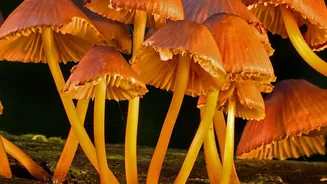
The Indian monsoon is a season of transformation, bringing life to dormant landscapes. For a burgeoning group of enthusiasts, it also signals the start of mushroom season. From the Western Ghats to the Himalayan foothills, the combination of high humidity
and rain coaxes a dizzying variety of wild fungi from the soil and decaying logs. For generations, foraging was the domain of local and tribal communities who possessed deep ancestral knowledge. Today, however, the appeal of this practice is widening, attracting urban dwellers, nature photographers, and foodies eager to connect with the environment in a more tangible way.
A Trend Fuelled by Curiosity
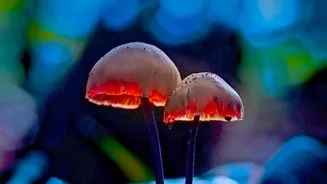
The rise in interest is not just a passing fad; it represents a deeper shift. In a world increasingly lived online, foraging offers a direct, sensory connection to nature. This curiosity has been amplified by social media, where stunning images of colourful and bizarre fungi spark interest, and by a post-pandemic urge to explore the outdoors. The result is a noticeable increase in organised “fungi forays” and “mushroom walks” across the country. These are not strenuous treks but slow, mindful explorations where the goal is to observe and learn. Enthusiasts are learning to see the forest floor in a new light, discovering a hidden ecosystem that plays a crucial role in the health of the environment.
India's Foraging Hotspots
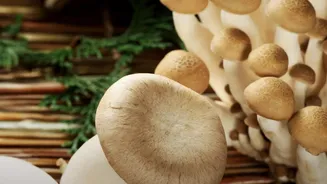
Several regions in India have become hotspots for this growing trend. In Goa, the arrival of monsoon heralds the season for 'Olmi' (Termitomyces mushrooms), a local delicacy that grows on termite hills. The forests of Himachal Pradesh, particularly around Kasol, are a paradise for foragers seeking everything from morels to chanterelles. Further south, the Western Ghats in states like Kerala and Tamil Nadu, including areas around Kodaikanal, offer their own unique fungal biodiversity. In the Northeast, states like Meghalaya and Nagaland have a rich tradition of using wild edible fungi, which is now being discovered by outsiders. Even urban centres are not left out, with guided walks taking place in the city forests of Delhi, revealing a surprising diversity of fungi.
With Greater Awareness Comes Responsibility
The most significant part of this trend is the emphasis on “greater awareness.” Unlike casual foraging, the new wave is driven by education. Expert-led walks, often guided by mycologists and experienced naturalists, are becoming the norm. These sessions focus on teaching participants how to identify fungi, understand their ecological roles, and distinguish between edible and poisonous species. The guiding principle is patience and observation. As one guide puts it, the primary question shouldn't be 'Can I eat this?' but rather learning how to look and appreciate the fungi for what they are. This educational approach helps foster a sense of respect for the ecosystem.
The Inescapable Dangers of the Hunt
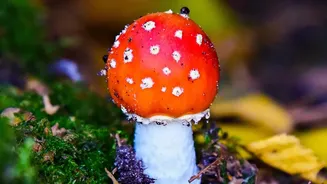
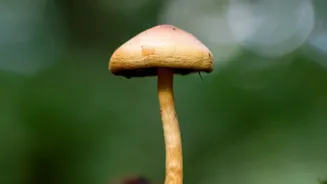
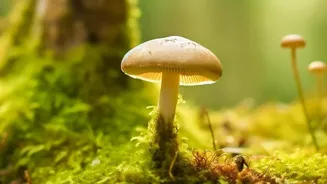
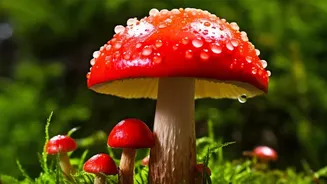
This emphasis on awareness is critical because the stakes are incredibly high. India is home to hundreds of poisonous mushroom species, and misidentification can be fatal. Experts and health departments regularly issue warnings, cautioning that some of the deadliest mushrooms look deceptively similar to edible ones. Symptoms of poisoning can include severe abdominal pain, vomiting, and in the worst cases, liver failure and death. Old myths—that poisonous fungi are always brightly coloured or have a pungent smell—are dangerously untrue. The cardinal rule of foraging, repeated by every expert, is simple: if in any doubt, throw it out. Touching a mushroom is generally safe, but eating an unidentified one is a risk no one should take.
A Sustainable Future for Fungi
Beyond personal safety, there is a growing concern about ecological impact. The rising popularity of certain wild mushrooms has led to over-harvesting in some areas, threatening local fungal populations. Experts are now advocating for sustainable foraging practices: taking only mature specimens, not disturbing the underlying mycelial network, and leaving plenty behind for the ecosystem to thrive. This conservation mindset is a key part of the “greater awareness” movement. The goal is to ensure that this renewed interest in nature doesn't harm the very organisms people have come to appreciate, ensuring the monsoon's hidden kingdom can be explored by future generations.