







The Summer Survival Strategy
The initiation begins in April. As temperatures climb, Delhiites enter a state of heightened alert. This isn't just about complaining; it’s about execution. Calendars are reorganised to avoid outdoor activity between noon and 4 pm. Social plans are weighed
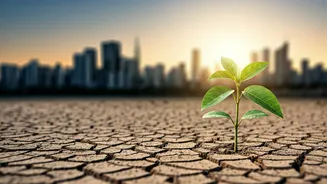
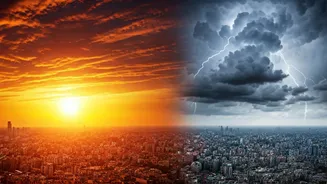
against the host’s air-conditioning capacity. The 'feels like' temperature, a brutal combination of heat and humidity that can cross 50 degrees Celsius, becomes the only metric that matters. This year, with a delayed monsoon, the city has been reeling under prolonged heatwave conditions, making nights almost as oppressive as days. Surviving summer is a masterclass in resource management: juggling power cuts, finding the least sun-scorched commute, and knowing exactly which street vendor has the coldest nimbu pani. It’s a seasonal siege where victory is simply making it to the first pre-monsoon shower without melting.
The Monsoon Calculus
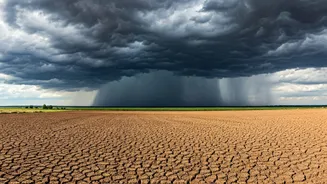
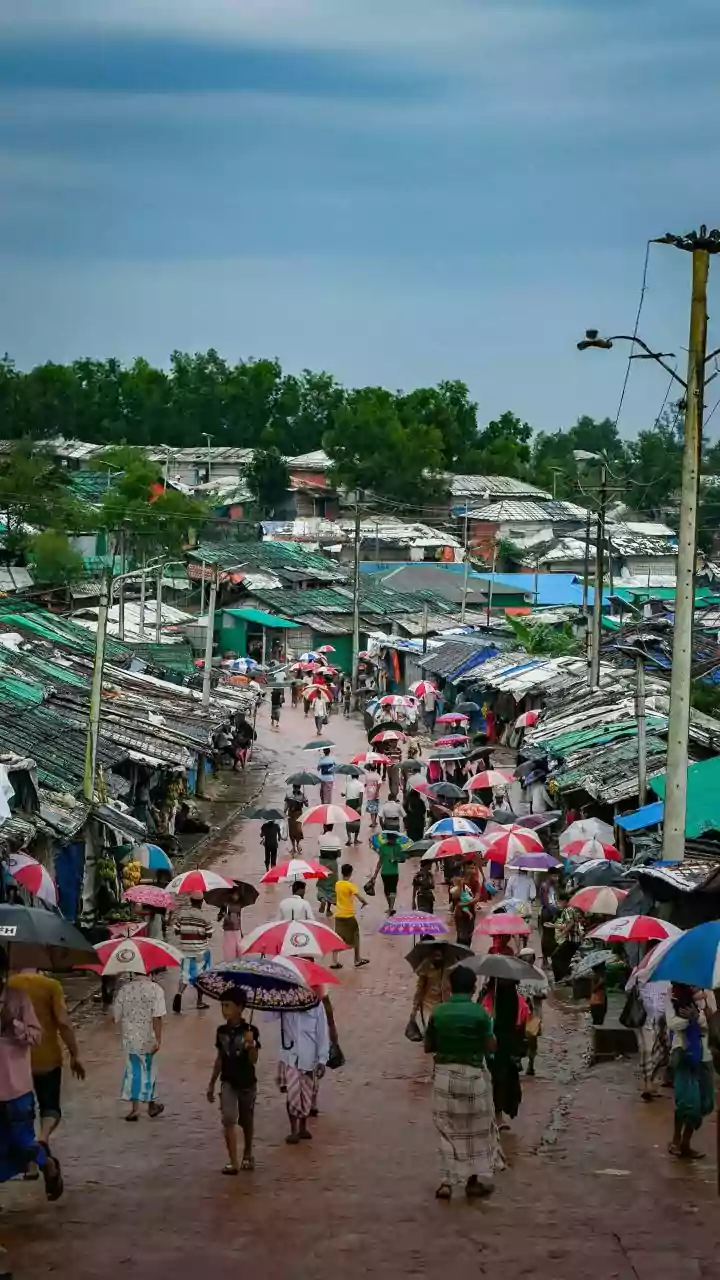
Just as the city breathes a sigh of relief from the heat, the next phase begins: the monsoon. While the rain is a welcome respite, it brings its own set of logistical nightmares. The normal monsoon onset date is around June 27, but this year it's delayed, expected only after July 4, leaving a significant rainfall deficit for June. When the rain does arrive, the adulting intensifies. Every commute becomes a complex equation involving weather app predictions, traffic alerts for waterlogged underpasses, and a choice between sacrificing your shoes or being late. Waterproofing isn't just for bags; it’s a mindset. You learn the topography of your neighbourhood by the depth of its puddles. You have a designated 'monsoon footwear' pair that is both functional and disposable. You become an amateur meteorologist, predicting the difference between a light drizzle and a full-blown deluge that will bring the city to a standstill.
The Great Winter Hibernation
Rounding out the year is the infamous winter smog. This is when Delhi adulting shifts from active strategy to defensive resilience. The battle is no longer against something you can feel, like heat or water, but against an invisible enemy that coats your lungs. Planning revolves around air quality. The day starts not with the news, but with the AQI reading. The decision to go for a run or send children out to play is a public health calculation made at the individual level. Homes are fortified with air purifiers, and N95 masks become a standard accessory long after the pandemic. The government rolls out its winter action plan, with measures like banning certain vehicles and doubling parking fees to curb pollution. For the citizen, it's about navigating these rules while limiting exposure, a grim acceptance that for a few months, breathing clean air is a luxury.
A City of Hyper-Managers
This constant, year-round weather management does something to the collective psyche. It turns residents into hyper-vigilant micro-managers of their own lives. You become an expert in adaptation, not by choice, but by necessity. This isn’t just about dealing with bad weather; it's about the sophisticated, often exhausting, personal infrastructure you build to maintain a semblance of normalcy. It’s about knowing which parts of the city lose power during a heatwave, which roads flood first during a downpour, and which AQI level warrants keeping the kids home from school. This lived experience, this intimate knowledge of the city’s vulnerabilities and how to navigate them, is a defining characteristic of the Delhi resident. It is a form of resilience forged in extreme conditions, a skill set that is both a burden and, in a strange way, a badge of honour.