



Welcome to the Age of 'Barkitecture'
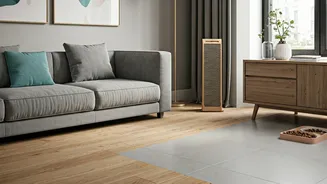
Move over, open-plan kitchens and walk-in wardrobes. The latest must-have in modern interior design is all about our four-legged family members. Dubbed 'barkitecture' by designers, this trend involves integrating pet-specific features directly into the
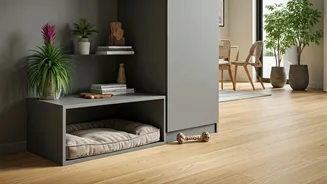
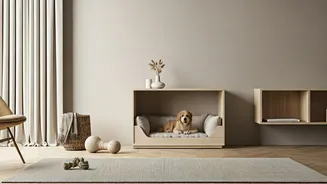
architecture and cabinetry of a home. It’s a move away from standalone pet accessories that clutter floors and disrupt a home’s aesthetic. Instead, think of custom-built solutions that are as beautiful as they are functional. This isn't just about convenience; it's a powerful statement about the role pets play in our lives. They aren't just living with us; the home is being built for them, too.
Beyond the Basic Bowl
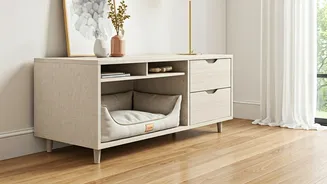
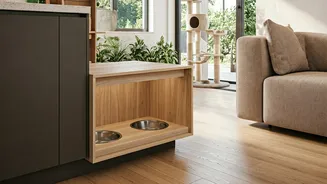
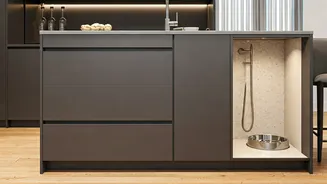
So, what does this trend look like in practice? The applications are as creative as they are luxurious. In the kitchen, designers are incorporating pull-out drawers with built-in food and water bowls, which can be neatly tucked away after mealtime to prevent spills and tripping hazards. Another popular feature is the mudroom or utility area dog-washing station—a waist-high, tiled shower stall complete with a handheld sprayer, making post-walk cleanups a breeze. For cat owners, the 'catio'—an enclosed outdoor patio accessible via a cat flap—provides safe access to fresh air. We're also seeing custom-built nooks under staircases, window seats with integrated pet beds, and even dedicated 'pet suites' with their own ventilation and drainage.
The Ultimate Form of Pet Humanisation
This design philosophy is the ultimate expression of 'pet humanisation,' the trend of treating our pets with the same consideration as human family members. As millions of Indians, particularly urban millennials, embrace pet ownership, they are looking for ways to deepen that bond. Architecturally integrating a pet's needs into a home signals that their comfort and well-being are a top priority, not an afterthought. It’s a flex, but it’s not just about wealth. It's a flex of empathy. It shows a dedication to creating a harmonious living environment for every member of the household, whether they have two legs or four. This shift reflects a deeper cultural change where pets are central to the family structure.
Functionality Meets Flawless Design
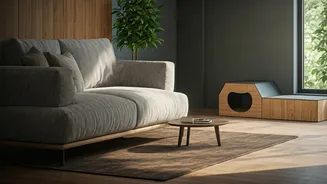
While the aesthetic appeal is undeniable, the core driver of barkitecture is functionality. A home with thoughtfully designed pet solutions is often cleaner, safer, and more organised. Built-in feeding stations keep pests away and maintain hygiene. Under-stair kennels or 'pet dens' provide a secure, den-like space for an anxious dog, freeing up valuable floor space that a bulky crate would otherwise occupy. For aging pets, designers can incorporate ramps or low-entry beds into the home's structure. By considering the pet's lifecycle and daily routines during the design phase, homeowners can create a space that works better for everyone, reducing stress for both pet and owner.
How to Embrace the Trend
You don't need to commission a full-scale renovation to get in on the action. The principles of barkitecture can be applied on a smaller scale. Consider working with a carpenter to modify an existing kitchen cabinet to create a hidden feeding station. You can also look for multifunctional furniture, like side tables or benches that have a built-in pet bed. Even organising a dedicated 'pet zone' in your home—with stylish wall hooks for leashes, airtight storage containers for food, and a comfortable bed that matches your decor—can bring a sense of intention and order. The goal is to thoughtfully consider your pet's presence in your home and make choices that honour their role in your family.