




The Danger of High-Rise Syndrome
Veterinarians have a term for the injuries cats sustain after falling from a height of two stories or more: “high-rise syndrome”. It’s a frequent cause of serious trauma, especially in urban areas. The incidents spike in warmer months when windows are left
open. A common myth is that cats always land on their feet, but this is dangerously untrue. Cats can easily lose their balance while intently watching a bird or an insect and slip. A fall from even a seemingly low height can cause devastating injuries like shattered jaws, punctured lungs, and broken limbs, as they may not have enough time to right their bodies.
Why Standard Screens Are Not Enough
Many pet owners assume a simple insect screen provides a safe barrier. Unfortunately, these are often flimsy and not designed to withstand the weight or a determined push from a cat. They can easily pop out of the window frame, leading to a tragic accident. Similarly, childproof window guards are not a reliable solution, as the gaps are often wide enough for a curious cat to squeeze through. For true peace of mind, it is crucial to reinforce any and all windows that your cat can access. The only truly safe, unscreened window is a closed one.
Practical Solutions for Securing Windows
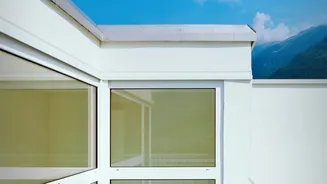
Securing your windows doesn't have to be a complicated project. The key is to install snug, sturdy screens designed to keep pets safely indoors. For a strong DIY solution, you can use reinforced pet-safe mesh and secure it tightly to the window frame. There are many online suppliers in India that offer custom-sized mesh screens, including magnetic options that are easy to install without drilling. Ensure there are no gaps or loose corners. For sliding windows, installing a mesh window on the parallel track can be an effective and popular solution in Indian apartments.
Making Your Balcony a Cat-Safe 'Catio'
Balconies pose a significant risk but can be transformed into a safe outdoor space, or a 'catio'. The most reliable solution is to enclose the entire area, from floor to ceiling, with strong netting. Look for durable, UV-resistant material, often sold as pigeon or bird netting, which is also effective for keeping cats safe. Ensure the mesh size is small enough that a cat cannot push its head through. When installing, check that all sides and corners are securely fastened, leaving no gaps for a potential escape. Move furniture like chairs and tables away from the railings to prevent your cat from using them as a launchpad.
Creating a Safe and Stimulating Environment
Once your balcony is secure, you can make it an enriching space for your cat. Provide a high perch for them to safely watch the world go by. Always ensure there is a source of fresh water and a shady spot for them to rest, especially during hot days. While adding plants, be mindful to only choose non-toxic varieties like catnip or cat grass, as many common decorative plants can be poisonous if ingested. With these precautions in place, your cat can enjoy the fresh air and stimulation without the risks.