
The Power of Primal Movements
Forget complex machines and confusing routines for a moment. The most effective strength programs are often built around the movements our bodies were designed to perform: squatting, pushing, pulling, and carrying. These aren’t just 'exercises'; they
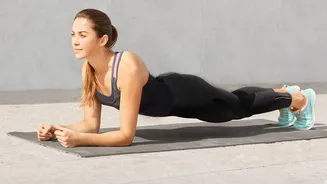
are the building blocks of functional fitness, mirroring actions we do every day, from lifting a child to putting groceries away. By training these core patterns, you develop strength that is practical, comprehensive, and helps safeguard your body against injury. Instead of isolating individual muscles, this approach teaches your body to work as a single, coordinated unit, improving everything from your posture to your overall physical capability.
The Squat: Your Body's Foundation
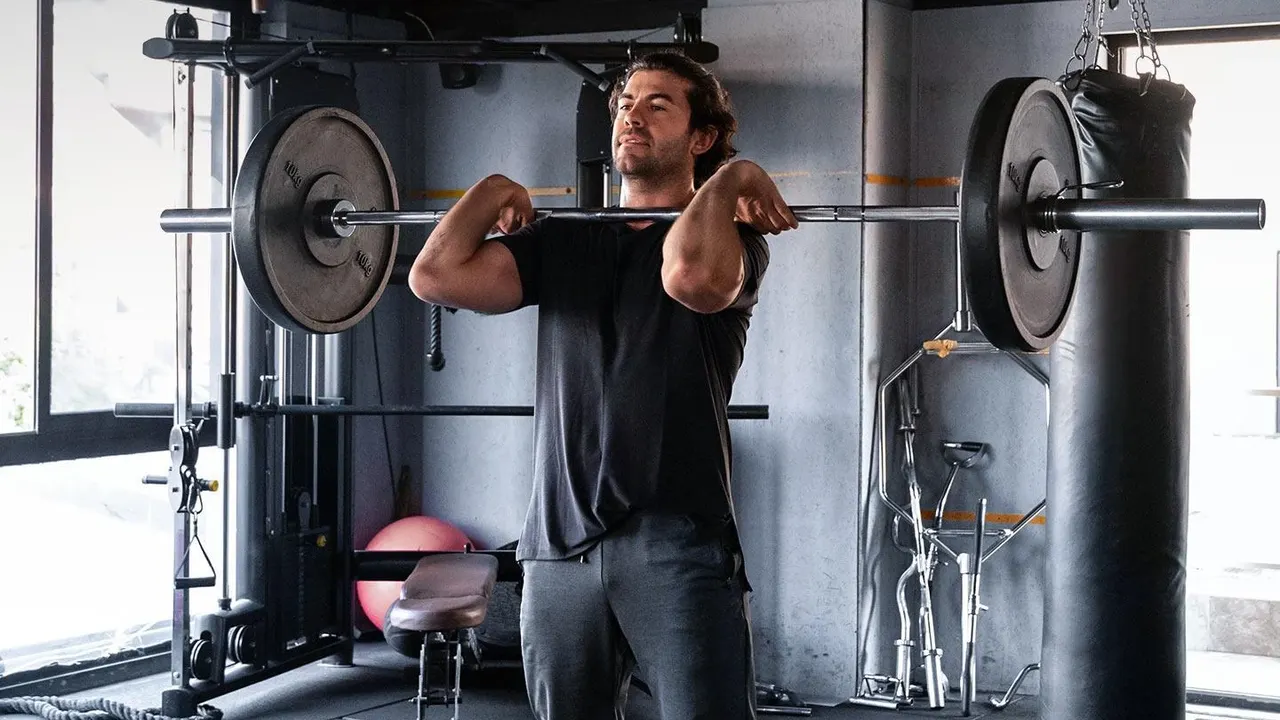
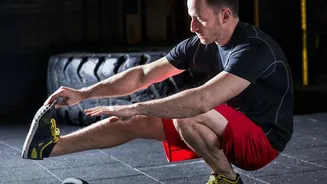
The squat is arguably the king of all exercises, and for good reason. At its core, it is the simple act of sitting down and standing back up, a movement we perform countless times a day. Training the squat builds powerful legs and glutes, which form the engine for most athletic activities. But its benefits don't stop there. A proper squat also engages your core muscles to stabilize your spine, improving your balance and overall stability. Whether you start with simple bodyweight squats or progress to holding a weight in front of you (a goblet squat), mastering this pattern is fundamental for lower-body strength and long-term mobility.
The Push: Building Upper-Body Power
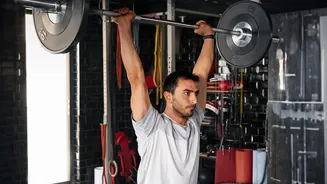
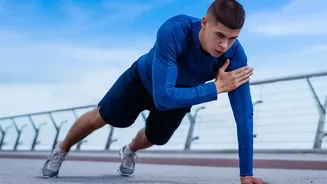
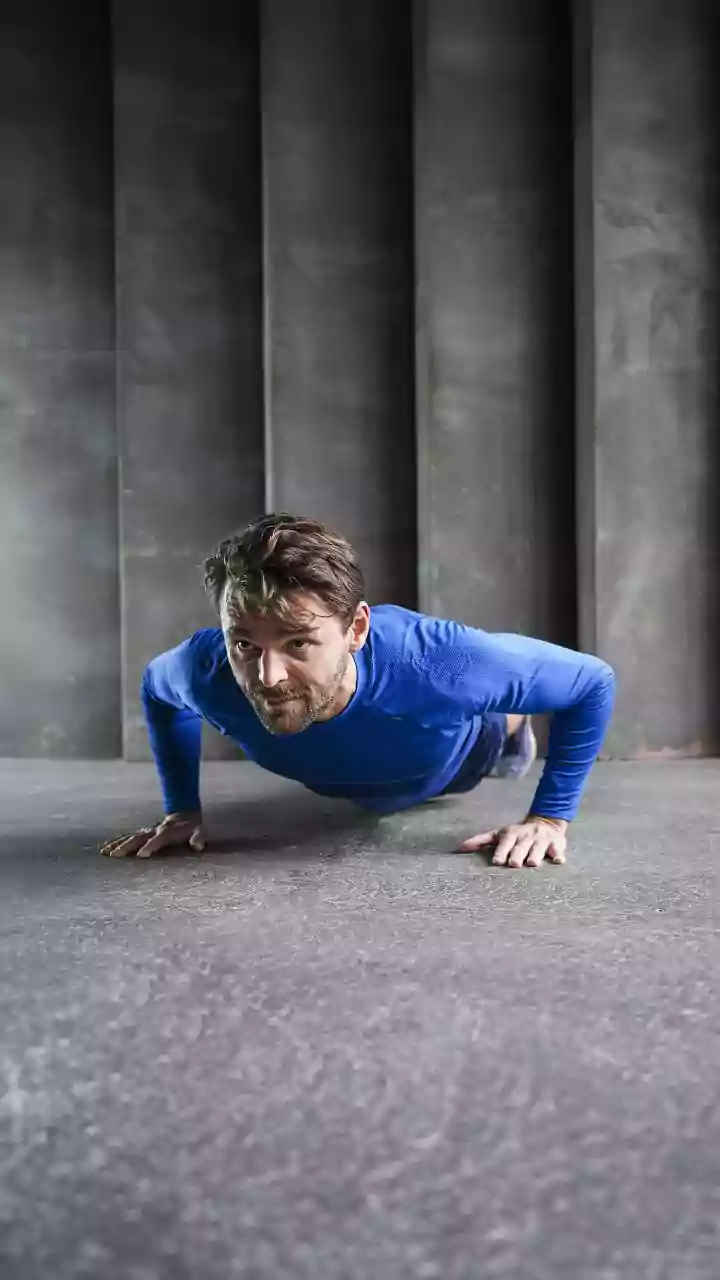
Every time you push a heavy door, lift an object onto a high shelf, or get up from the floor, you're performing a pushing movement. This pattern is key for developing strength in the chest, shoulders, and triceps. The most accessible example is the push-up, an exercise that can be modified for any fitness level, from performing them against a wall to progressing to the floor. Pushing can be done horizontally, like in a push-up or bench press, or vertically, as in an overhead press. Including both types in your routine ensures well-rounded shoulder health and upper-body strength that’s useful in countless real-world scenarios.
The Pull: The Key to Posture and Balance
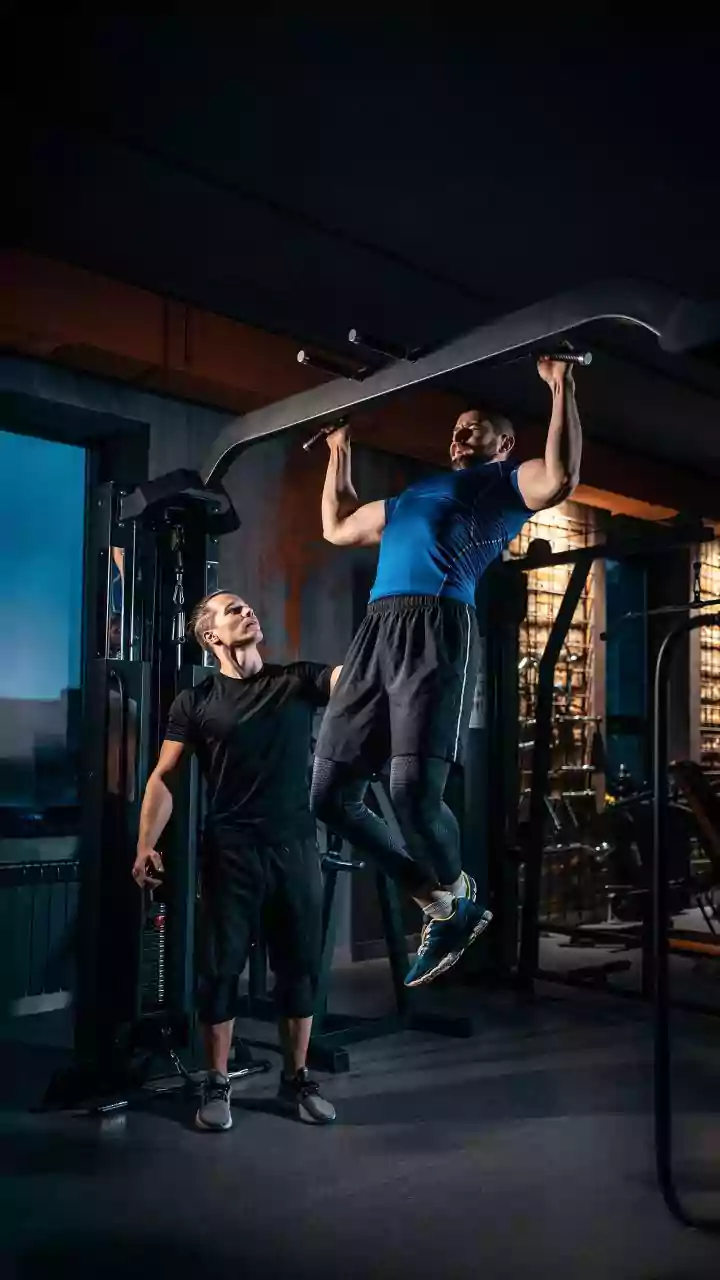
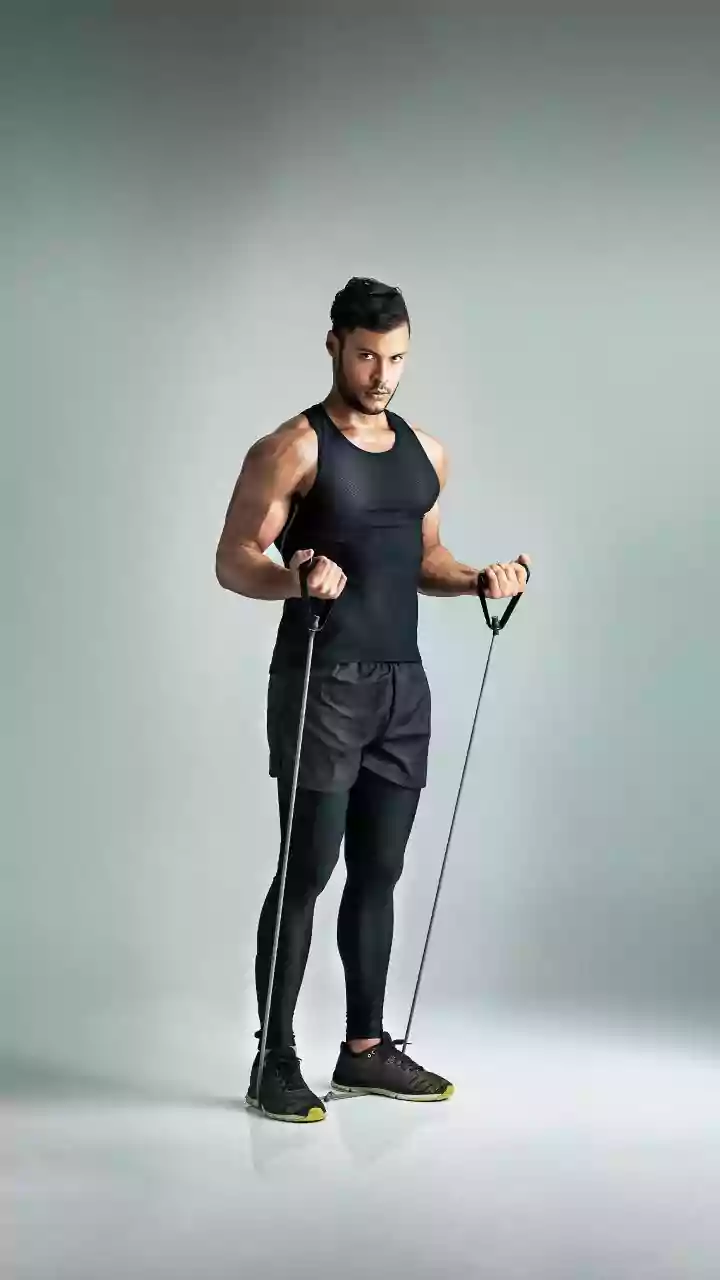
For every push, there must be a pull. Pulling movements are the functional opposite of pushing and are critical for a balanced physique and healthy posture. Actions like starting a lawnmower, carrying a backpack, or pulling a door open all rely on pulling strength. These exercises primarily work the muscles in your back and biceps. In a world where we spend so much time hunched over desks and phones, strengthening the back is more important than ever. Exercises like dumbbell rows or using resistance bands to pull towards your chest help counteract the effects of a sedentary lifestyle, pulling your shoulders back and promoting an upright posture.
The Carry: Forging Full-Body Resilience
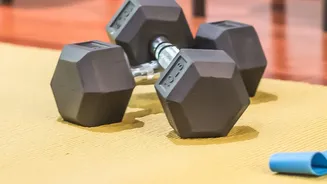
Often the most overlooked of the fundamental movements, the loaded carry is perhaps the most functional. Think about carrying heavy grocery bags, a suitcase through an airport, or your child. This is carrying. The simplest version is the 'farmer's walk', which involves picking up a heavy weight in each hand and walking for a set distance or time. This simple act challenges your entire body: your grip strength, your core stability as you fight to stay upright, your legs, and your cardiovascular system. It's an incredibly efficient exercise for building the kind of rugged, all-over strength and endurance that makes all of life's physical tasks feel easier.