




The Art of Layering
The single most effective strategy for multi-climate packing is layering. Instead of packing bulky, single-purpose items, think in terms of a three-part system that you can adapt on the fly. Start with a base layer designed to sit against your skin and
manage moisture; think t-shirts or long-sleeve tops made from breathable fabrics. Your mid-layer provides insulation. This could be a fleece jacket, a lightweight wool sweater, or a packable vest. Finally, an outer layer, or shell, protects you from wind and rain. A high-quality, lightweight waterproof jacket is one of the most valuable items you can pack. This system allows you to peel off or pile on layers as conditions change, ensuring you're comfortable whether you’re strolling on a sunny beach or facing a windy mountain trail.
Fabric is Everything
Your clothing's material is just as important as its design. For a multi-climate trip, prioritize performance fabrics that are lightweight, quick-drying, and versatile. Merino wool is a top performer, prized for its ability to regulate body temperature, resist odor over multiple wears, and provide warmth without bulk. Synthetics like polyester and nylon are also excellent choices, particularly for activewear, as they wick moisture and dry incredibly fast. For warmer days, breathable fabrics like linen, Tencel, and lightweight cotton will keep you comfortable. While traditional cotton is soft, it absorbs moisture and dries slowly, making it less ideal for travel where you may need to wash and re-wear items quickly. By selecting the right mix of fabrics, you can build a wardrobe that performs well in any environment.
Choose a Multi-Purpose Wardrobe
To pack light, every item should earn its place in your suitcase by serving multiple functions. Look for versatile pieces that can be dressed up or down and work in different settings. For instance, convertible pants that zip off into shorts offer two options in one. A stylish, neutral-colored rain jacket can serve as your outer layer on a cold day but also work for a drizzly evening in the city. Instead of packing separate shirts for hiking and dinner, choose a technical top with a clean design that works for both. Even your footwear should be multifunctional. A pair of waterproof ankle boots can handle light trails and city streets, while comfortable sneakers can take you from sightseeing to a casual restaurant. By focusing on versatility, you can create numerous outfits from a small collection of clothes.
Accessorize for Maximum Impact
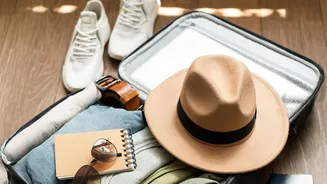
Accessories are the lightweight secret weapons of the savvy traveler. They take up minimal space but can dramatically extend the functionality of your core wardrobe. A large scarf or pashmina can provide warmth on a chilly plane, act as a shawl for a nice dinner, or even serve as a makeshift blanket. In cold weather, a warm hat, gloves, and quality wool socks are essential for comfort and can make a huge difference in your overall warmth without adding significant bulk to your bag. For sunny destinations, a wide-brimmed hat and sunglasses are non-negotiable for sun protection. These small additions allow you to adapt to changing conditions quickly and easily.
Pack Smarter, Not Harder
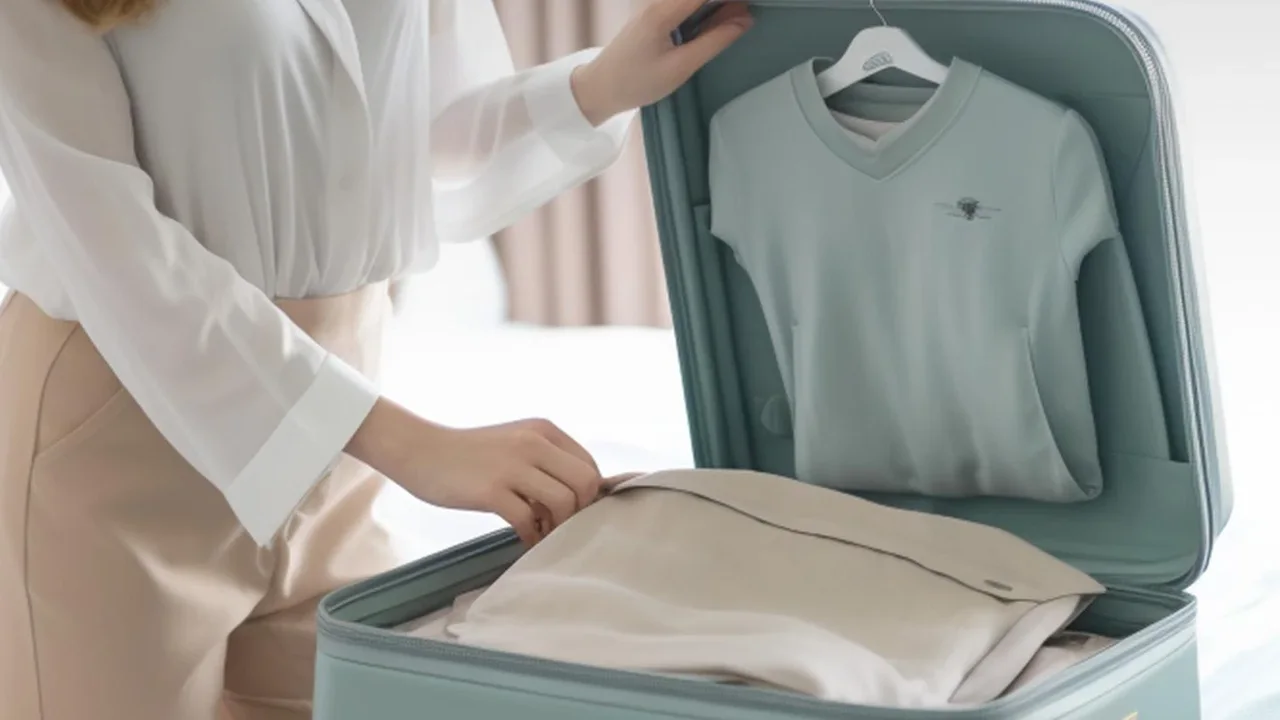
How you pack is almost as important as what you pack. To maximize space and keep your belongings organized, consider using packing cubes. These zippered fabric containers allow you to compress clothing and compartmentalize your suitcase—for example, by separating warm-weather gear from cold-weather items. Rolling your clothes instead of folding them is another popular technique that can help minimize wrinkles and save a surprising amount of space. When you pack, wear your bulkiest items, such as your hiking boots and your warmest jacket, on the plane. This frees up a significant amount of room in your luggage for other essentials.