




Moving Beyond 'All or Nothing'
For years, the prevailing narrative around festive eating has been one of extremes. We're encouraged to either indulge completely with a promise to “start over in January” or to exercise rigid self-control, often feeling like we've failed if we have a single
cookie. This “all-or-nothing” thinking is the root of food guilt. A newer, more compassionate approach encourages us to step off this rollercoaster. It’s based on the idea that a few days of different eating patterns will not derail your overall health. The focus is shifting from what you eat during a few festive meals to your consistent habits throughout the rest of the year. Health is a long-term picture, and holiday foods are a small, joyful part of it.
The Power of Mindful Eating
At the heart of this guilt-free mindset is the practice of mindful eating. This isn't a diet; it's the act of being fully present with your food. It involves paying attention to the tastes, textures, and smells, which helps you enjoy your meal more deeply and recognize your body's fullness cues. Eating slowly, without distractions like your phone or the TV, allows your brain to catch up with your stomach — a process that can take 20-30 minutes. When you savor each bite, you might find that you feel satisfied with a smaller amount of a rich dessert than you would if you were eating it mindlessly. This practice transforms eating from a source of anxiety into a moment of genuine pleasure and connection.
Letting Go of 'Good' vs. 'Bad' Food Labels
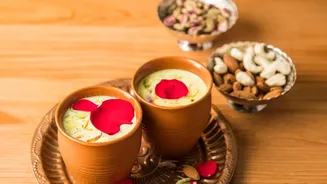
A major source of guilt comes from labeling foods as morally “good” or “bad.” This new mindset, rooted in principles of intuitive eating, suggests we make peace with all foods. When you give yourself unconditional permission to eat the foods you love, they lose their power over you. Often, the feeling that a certain treat is a “limited time only” festive special creates a sense of urgency, leading to overindulgence. Dietitians point out that you can, in fact, bake a pie in July or buy festive sweets in March. Realizing these foods are not truly scarce helps remove the panic and allows you to make a conscious choice based on what you actually want in that moment, not out of a fear of missing out.
Practical Tips for Your Next Celebration
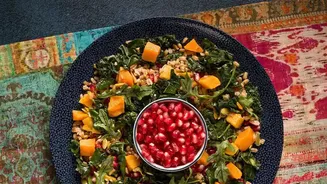
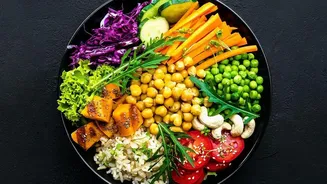
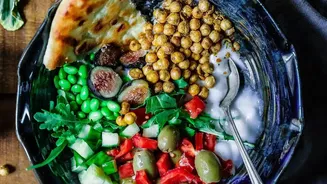
Putting this mindset into practice can feel challenging at first. Experts suggest a few simple strategies. First, don't arrive at a party starving. Skipping meals to “save calories” often backfires, leading to overeating later. Having a small, protein-rich snack beforehand can help you make more mindful choices. When you’re at the event, scan the options and decide what looks truly special and enjoyable to you. Fill half your plate with vegetables and other nutrient-dense options, then add the festive dishes you’re most excited about. And remember, it's perfectly okay to say “no, thank you” or to take a small portion of something to be polite. The goal is to honor your body and your enjoyment simultaneously.
Shifting the Post-Indulgence Narrative
Even with the best intentions, you might sometimes eat more than you planned and feel uncomfortably full. This is where self-compassion becomes crucial. Instead of punishing yourself with guilt or restrictive behaviors the next day, simply move on. Remind yourself that one meal does not define your worth or your health. Rather than skipping your next meal, focus on returning to your usual rhythm of balanced eating. Drink plenty of water and perhaps go for a gentle walk. The key is to treat yourself with the same kindness you would offer a friend. This approach breaks the cycle of guilt and restriction, fostering a healthier relationship with food that lasts long after the decorations come down.