






More Than Just Getting There
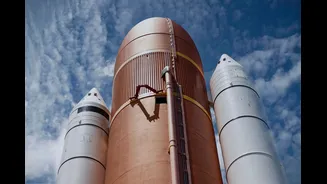
The great drama of space exploration has historically been about the journey itself. From the Apollo-era race to the Moon to the upcoming Artemis II mission, the primary challenge has been overcoming immense technical hurdles to send humans into the void
and bring them back safely. This engineering-first mindset was necessary. It built our capacity, pushed the boundaries of technology, and delivered iconic moments of human achievement. Yet, as capabilities mature, a fundamental question emerges: once we get there, what will we do? A series of recent workshops and strategy discussions, such as those held by NASA and ESA, are shifting the focus. The consensus is clear: the next chapter of human spaceflight must be as much about science as it is about engineering.
A New Mandate: Science at the Forefront
Events like the 'Science Objectives for Human Exploration of Mars' workshop bring together scientists to define priorities before missions are even fully designed. The goal is to integrate profound scientific questions into the very architecture of exploration. Instead of simply planting a flag, the objective becomes answering fundamental questions. On the Moon, this could mean investigating the permanently shadowed craters at the South Pole for water ice, a resource that could be critical for long-term habitation. For Mars, it means deploying human geologists and astrobiologists who can make real-time decisions, follow up on tantalizing clues, and search for evidence of past or present life in ways a robot cannot. This approach transforms astronauts from passengers into field scientists on the grandest possible scale.
Lessons for India's Gaganyaan Mission
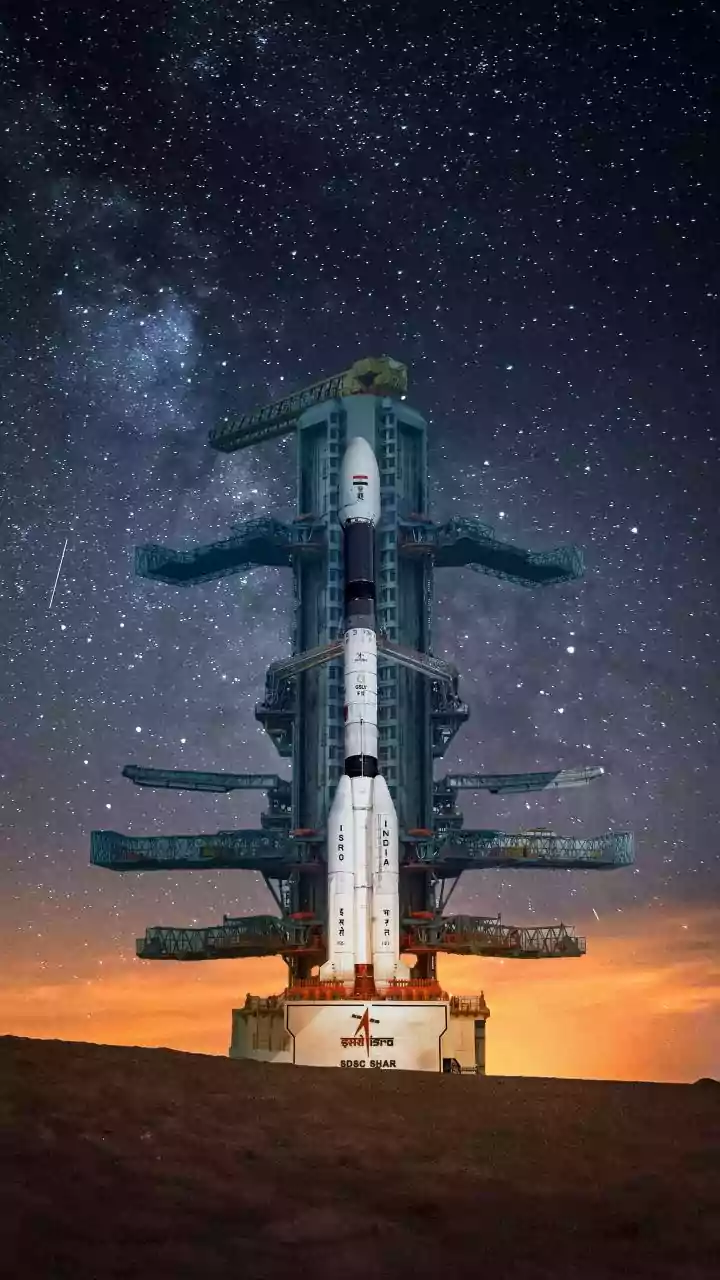
This global conversation holds powerful lessons for India's ambitious space program. The Gaganyaan mission, which aims to send Indian astronauts into orbit, is a monumental technological achievement. The initial focus, rightly so, has been on critical systems like crew escape, life support, and safe recovery. However, as ISRO plans for the future, the global pivot towards science-driven exploration offers a strategic opportunity. By embedding scientific objectives from the outset, Gaganyaan can deliver a double return: demonstrating India's prowess in space technology while also contributing unique and valuable scientific knowledge. Experiments planned for early missions already include studies in material science, biology, and even using bacteria to create building materials from lunar soil, showing this integration is already underway.
Beyond Flags and Footprints
Why does this shift matter? Because science provides a sustainable, long-term justification for the immense cost and risk of human spaceflight. National pride is a powerful motivator, but it can be fleeting. The 'flags and footprints' approach of the Apollo era is no longer enough to sustain a multi-generational, international effort to build a permanent presence beyond Earth. A purpose rooted in discovery—understanding the origins of the solar system, searching for life, and learning how to live on other worlds—is a goal that can unite nations and inspire future generations of scientists, engineers, and explorers. It ensures that our journey to the stars is not just an expensive adventure, but a profound investment in human knowledge.