






An End to the Pothole Pandemic?
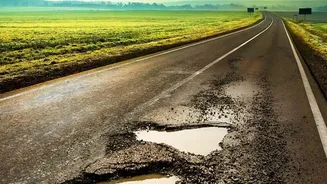
Every Indian commuter knows the familiar, bone-jarring frustration of navigating roads riddled with potholes, especially after a heavy spell of rain. This annual cycle of damage and patchy repairs costs municipal corporations crores, disrupts traffic,
and poses a significant safety risk. But a groundbreaking development in civil engineering offers a glimpse into a future with smoother, more resilient roads. The technology is called self-healing asphalt, and it is designed to automatically repair the minor cracks that eventually grow into dangerous potholes, potentially doubling the lifespan of our roads. Instead of reacting to damage, these smart materials proactively fix themselves.
The Science of Self-Repair
So, how does a road heal itself? The innovation lies in what’s mixed into the asphalt. The headline mentions a "bio-engineered binder," which is one of the most promising methods. This approach involves embedding tiny microcapsules into the asphalt mixture. These capsules contain special rejuvenating agents, often derived from renewable sources like plant-based oils or even algae. When a micro-crack forms in the road due to traffic stress or weather, it ruptures these capsules. The released oil then seeps into the crack, softening the aged, brittle bitumen around it. This allows the asphalt to bind back together, effectively sealing the damage before it can worsen. Some variations even use bacteria that, when exposed to water entering a crack, produce limestone to fill the gap.
A Monsoon-Ready Solution for India
This technology seems tailor-made for India's climate. The primary culprit behind our crumbling roads is water ingress during the monsoon. Water seeps into small cracks, weakens the underlying layers, and the pressure from passing vehicles then dislodges chunks of asphalt, creating potholes. Self-healing asphalt cleverly turns this weakness into a strength. In many bio-binder and bacterial systems, water is the very trigger that activates the healing process. By fixing cracks as they appear, the technology prevents water from penetrating the road structure in the first place, offering a robust defence against the very conditions that currently plague our urban infrastructure.
More Than Just a Smoother Ride
The benefits of self-healing roads extend far beyond driver convenience. For municipal bodies, it promises a drastic reduction in long-term maintenance costs and less frequent, disruptive repair work. This means fewer traffic jams caused by cordoned-off lanes. Environmentally, the impact is also significant. By extending the lifespan of roads, we reduce the need for quarrying fresh materials and cut down on the carbon emissions associated with producing and transporting asphalt for constant repairs. Longer-lasting roads also mean enhanced safety, with fewer accidents caused by potholes and other surface defects.
The Road Ahead: Pilots and Practicalities
While the technology is revolutionary, widespread adoption faces hurdles. The primary challenge is the higher upfront cost compared to conventional asphalt, which can be a barrier for budget-constrained public works departments. However, many experts argue that the long-term savings on maintenance more than offset the initial investment. Encouragingly, Indian institutions like the CRRI and IIT-Madras are already experimenting with variants suited for our tropical climate and heavy traffic loads. As research continues and pilot projects demonstrate the long-term value, the cost is expected to decrease, paving the way for wider implementation. While we may not see self-healing highways everywhere overnight, the technology is moving from the lab to real-world test sections globally.