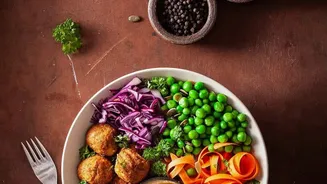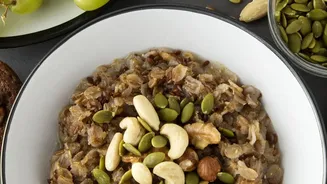




Sabudana (Tapioca Pearls)
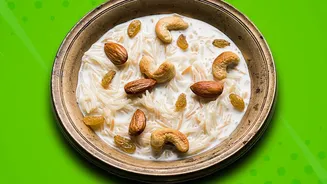
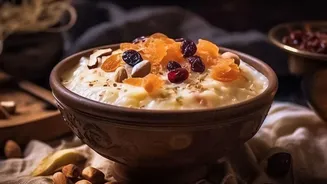
A quintessential fasting food, sabudana is a fantastic source of carbohydrates, providing a quick and sustained energy boost. It's also incredibly easy to digest, making it gentle on the stomach during fasting periods. While high in carbs, you can make
it a more balanced meal by preparing it as a khichdi with peanuts, which add healthy fats and protein, or as a light, nourishing kheer with milk. To keep it healthy, opt for steaming or light sautéing over deep-frying your sabudana vadas.
Vrat-Friendly Flours (Kuttu, Singhara, Rajgira)
Fasting doesn't mean giving up rotis and puris completely. Flours like Kuttu (buckwheat), Singhara (water chestnut), and Rajgira (amaranth) are excellent gluten-free alternatives. Kuttu is a good source of protein and fibre, known to provide warmth and sustained energy. Singhara atta is lighter, rich in potassium and fibre, and has cooling properties. Rajgira, another protein powerhouse, is rich in calcium and iron, helping maintain energy and bone health. Using these flours can help you create filling meals that prevent energy slumps.
Samak Rice (Barnyard Millet)
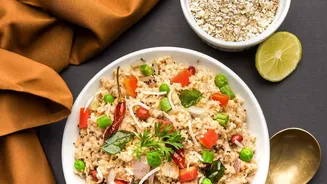
Often called 'vrat ke chawal', Samak rice is not a true rice but a type of millet. It's a wonderful alternative for fasting, being light on the stomach and a good source of fibre and micronutrients like iron and magnesium. Compared to sabudana, it has a lower glycemic index, meaning it provides a slower, more stable release of energy, preventing sudden crashes. You can prepare it as a simple pulao with vegetables, a creamy kheer, or a hearty khichdi.
Fruits and Vegetables
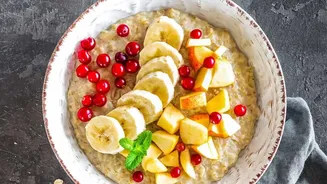
Never underestimate the power of fresh produce. Fruits are packed with natural sugars, vitamins, minerals, and fibre, providing instant energy and hydration. Bananas are particularly good for their potassium and energy boost, while apples and papayas support digestion. Root vegetables like sweet potatoes and potatoes are excellent sources of complex carbohydrates that keep you full for longer. Instead of frying, try roasting or boiling them to make a healthy chaat. Bottle gourd (lauki) is another great option due to its high water content, which helps with hydration.
Nuts, Seeds, and Dairy
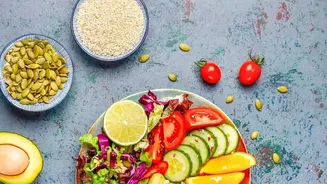
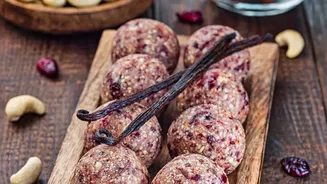
To ensure your meals are well-rounded, incorporate healthy fats and proteins. A handful of nuts like almonds and walnuts provides healthy fats, protein, and essential minerals that offer steady energy. Dairy products such as milk, curd (yogurt), and paneer are crucial. Curd is a probiotic that keeps your gut healthy, while paneer is an excellent source of protein that promotes satiety and prevents muscle loss. Combining fruits with yogurt or adding paneer to your vegetable dishes can create a balanced and energising meal.
Hydration is Key
Maintaining energy levels isn't just about food; proper hydration is critical, especially in the humid monsoon weather. Dehydration can lead to headaches and fatigue. Throughout the day, sip on water, coconut water, or homemade lemon water (with rock salt). Coconut water is a natural electrolyte drink that helps replenish lost minerals. You can also have buttermilk (chaas) or herbal teas to stay hydrated and refreshed.