

The Graded Response Action Plan (GRAP)
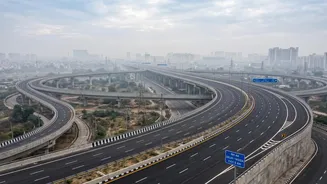
The primary reason for these restrictions is the Graded Response Action Plan, or GRAP, an emergency protocol that kicks in as Delhi's air quality deteriorates. Managed by the Commission for Air Quality Management (CAQM), GRAP has four stages, from 'Poor'
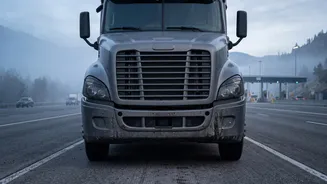
to 'Severe+'. As pollution levels rise, the restrictions become progressively stricter. For drivers from adjacent states like Haryana, Uttar Pradesh, and Rajasthan, this can mean an outright ban on their vehicle's entry depending on its fuel type and emission standard. For instance, measures that previously kicked in at Stage II have been moved to Stage I, meaning restrictions on certain interstate buses now apply much earlier in the pollution season.
Targeting Older, More Polluting Vehicles
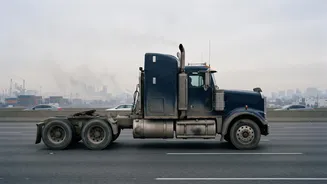
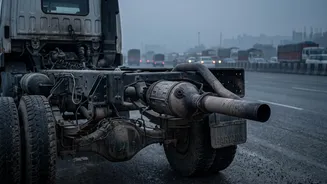
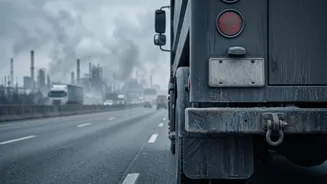
The restrictions specifically target older vehicles with outdated emission standards. The key culprits identified are BS-III petrol and BS-IV diesel four-wheelers. These vehicles are banned from the roads in Delhi and specific NCR districts like Gurugram, Faridabad, Ghaziabad, Gautam Buddh Nagar, and Sonipat once GRAP Stage III is implemented. The 'BS' or Bharat Stage standards regulate the output of air pollutants. A BS-VI vehicle, the current standard, emits significantly less particulate matter and nitrogen oxides than a BS-IV vehicle. Since many vehicles registered in adjacent states may still be on older BS norms, they are the first to be restricted to curb vehicular emissions, which are a major contributor to Delhi's winter smog. Recent government announcements for the 2026 winter season have gone further, stating that from November 1, all vehicles from outside Delhi must be BS-VI compliant to enter the capital.
Why Out-of-State Vehicles Are Scrutinized
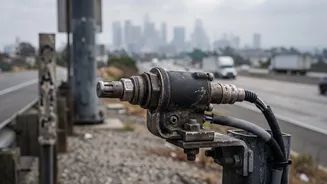
While Delhi has its own population of older vehicles, the daily influx of traffic from neighbouring states is massive. Tens of thousands of vehicles commute into the city for work and commerce, adding a significant pollution load. Enforcing emission norms on this transient fleet is a logistical challenge. By restricting entry at the border based on clear-cut standards like BS-VI compliance, authorities aim to create a filter that reduces the number of high-polluting vehicles entering the city's already stressed airshed. Furthermore, under the 'Winter Action Plan', policies like 'No PUC, No Fuel' are being enforced with Automatic Number Plate Recognition (ANPR) cameras at petrol pumps to identify and penalize non-compliant vehicles, including those from other states. Violating these entry bans can lead to hefty fines of around ₹20,000.
Are There Any Exemptions?
Yes, the rules are not absolute and provide for several exemptions. Vehicles running on cleaner fuels like CNG and electric vehicles are generally exempt from these restrictions. Additionally, vehicles involved in essential and emergency services, such as ambulances, those carrying essential goods, or government vehicles on official business, are allowed to operate. However, under the revised GRAP, the previous exemption for BS-IV goods vehicles carrying essential commodities has been removed, making the rules stricter for commercial traffic. For private car owners, the only sure way to avoid the ban is to drive a BS-VI compliant vehicle or switch to public transport.
A Strategy Beyond Just Pollution
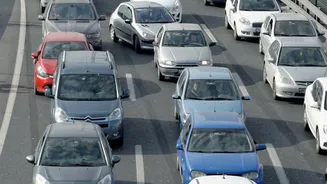
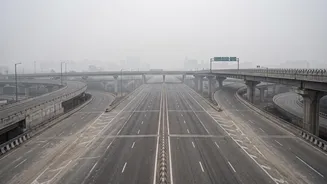
While clean air is the main objective, these measures also have a secondary benefit: managing Delhi's crippling traffic congestion. By reducing the number of vehicles on the road, especially during peak hours, the restrictions can help ease traffic flow. The government's Winter Action Plan often includes measures like doubling parking fees, promoting work-from-home policies, and encouraging staggered office timings to further reduce the number of vehicles on the road. This multi-pronged approach acknowledges that traffic and pollution are interlinked problems. Fewer vehicles on the road mean less congestion and lower overall emissions, contributing to a more breathable and manageable city during the critical winter months.