


An Enduring Sensory Ritual
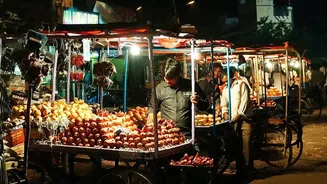
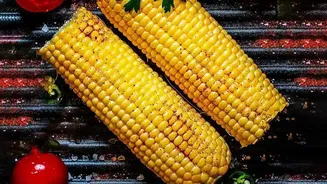
There are few street food experiences as evocative as that of the bhutta. It begins with the aroma—the unmistakable scent of corn roasting over hot coals, a smoky fragrance that mingles with the earthy smell of rain-soaked soil. You spot the bhuttawala,
fanning the embers with a piece of cardboard, turning the cobs until they are perfectly charred. This simple act is a ritual played out on countless street corners, from bustling city roads to quiet hill stations, creating a sensory connection to the season that is both deeply personal and universally shared across India.
A Taste of Rustic Simplicity
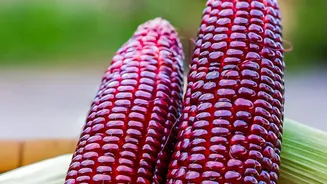
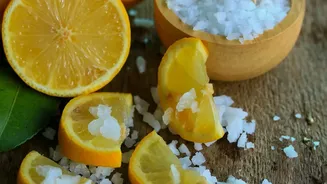
In a world of complex flavours and elaborate dishes, the bhutta’s appeal lies in its straightforwardness. The classic preparation involves roasting the cob and then generously rubbing it with a mixture of salt, chili powder, and a squeeze of fresh lime, often applied with the lime half itself. This simple trio of flavours—salty, spicy, and tangy—perfectly complements the smoky, chewy kernels. This preparation is distinct from the sweeter, softer American sweet corn which has become popular in cups and salads. The traditional desi bhutta is less sweet, more fibrous, and has an earthy flavour that is enhanced, not masked, by the rustic spices. This makes it a more satisfying, wholesome snack.
The Perfect Monsoon Companion
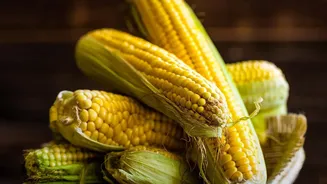
The connection between bhutta and the monsoon is no coincidence. Corn is a kharif crop, harvested during the rainy season, ensuring that the cobs sold by vendors are at their freshest. Beyond the agricultural cycle, there's a climatic harmony at play. The cool, damp weather creates a natural craving for warm, comforting foods. Holding a hot, freshly roasted bhutta provides a pocket of warmth against the monsoon chill, making it the ideal snack for a rainy evening. Unlike many deep-fried monsoon snacks like pakoras and samosas, the roasted bhutta is a healthier, guilt-free indulgence.
A Symbol of Accessibility and Nostalgia
The bhutta is one of India's great culinary equalizers. It is an affordable street food, accessible to everyone from students to families, making it a snack that transcends social and economic boundaries. For many, the taste of bhutta is inextricably linked to cherished memories: of childhood holidays, long drives, or simply pausing an evening walk to shelter from a downpour. It represents a simple joy, a shared cultural touchstone that connects generations. The sight of a bhuttawala is a sign that the monsoon has truly arrived, bringing with it not just rain, but a wave of nostalgia and comforting tradition.
More Than Just Corn
While corn itself originated in the Americas around 10,000 years ago and was introduced to India only centuries ago, the masala bhutta is a thoroughly Indian creation. It has been seamlessly integrated into regional foodways, from 'makke ki roti' in the north to becoming the quintessential monsoon snack nationwide. Even as steamed sweet corn cups gain popularity, the classic roasted desi bhutta holds its own. Its fibrous texture, lower sugar content, and smoky flavour offer a starkly different, and for many, a more authentic experience. It’s not just a food item; it’s a celebration of seasonality, simplicity, and the enduring spirit of Indian street food culture.