






The Problem with Trapped Moisture
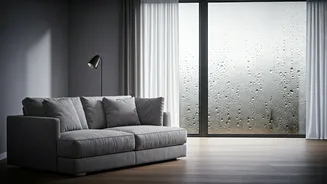
During the rainy season, high humidity is a given. When this moisture-laden air gets trapped inside your home, it creates a host of problems far beyond just feeling uncomfortable. As warm, humid air comes into contact with cooler surfaces like walls and
windows, it releases water droplets through condensation. This persistent dampness is the perfect breeding ground for mould and mildew, which can damage walls, warp wooden furniture, and ruin fabrics. More importantly, mould spores and dust mites, which thrive in humid conditions, can trigger allergies, asthma, and other respiratory issues, turning your home into a health hazard. That musty smell is not just unpleasant; it’s a sign that your home is struggling to breathe.
Simple Daily Habits for Better Airflow
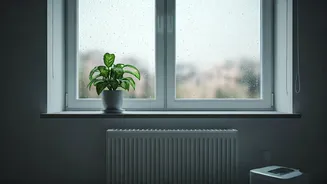
Improving ventilation doesn't have to be complicated. The easiest and most effective method is to create a cross-breeze. Open windows and doors on opposite sides of your home for at least 15-20 minutes a day, preferably during cooler, less humid times like the early morning or after a rain shower. Make strategic use of fans. A ceiling fan can help circulate air, while placing a table fan facing out an open window can actively push stale, humid air outside. In high-moisture zones like the kitchen and bathroom, always run the exhaust fan during and after cooking or showering to pull steam and odours directly out of the house. These simple, daily actions prevent moisture from building up in the first place.
Strategic Solutions for Stubborn Dampness
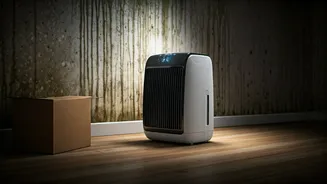
For homes that consistently feel damp, you may need to step up your strategy. Investing in a dehumidifier is one of the most effective ways to mechanically remove excess moisture from the air, helping to maintain an ideal indoor humidity level of 30-50%. Check your home for any leaks from roofs, pipes, or window seals, as these can be hidden sources of moisture. Simple fixes like applying a waterproofing sealant to cracks can prevent water from seeping in. Also, take a look at your furniture arrangement. Avoid pushing large pieces like sofas and cupboards directly against walls, as this traps air and creates a pocket for mould to grow. Leaving even a small gap can significantly improve circulation.
Declutter for a Breathable Home
What you store and how you store it also impacts airflow. Overstuffed closets and cabinets are prime spots for moisture to get trapped, leading to musty-smelling clothes and the potential for mildew. During the monsoon, consider storing items like books and important documents in sealed containers. Using inexpensive silica gel packets in wardrobes and shoe racks can absorb ambient moisture and protect your belongings. While houseplants can be natural air purifiers, having too many in a poorly ventilated space can contribute to higher humidity levels, so be mindful of the balance. Ensuring your air conditioner filters are clean and drain lines are clear is also crucial, as a clogged AC can't effectively dehumidify the air and can even become a source of leaks.
Now, Your Styling Can Shine
Once you have addressed the foundational issue of airflow, your home becomes a healthy canvas for any styling trend you wish to embrace. With moisture under control, paint will not peel, fabrics will feel fresh and dry, and your wooden furniture will be safe from warping and mould. Your decor will look better and last longer in a balanced environment. You will no longer be fighting a constant battle against dampness and mustiness. A home that breathes well is not only healthier but also feels genuinely more welcoming and comfortable. Prioritising function, in this case, directly enhances form, allowing your personal style to truly flourish without being undermined by the damp.