


The Regal Weaves of Varanasi: Banarasi
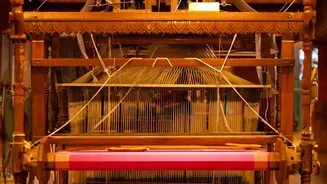
No exploration of Indian handlooms is complete without the Banarasi saree from Varanasi, Uttar Pradesh. A symbol of ceremonial magnificence, these sarees are crafted from fine silk and distinguished by their opulent gold and silver brocade, or zari. The
designs are heavily influenced by Mughal art, featuring intricate floral and foliate motifs, paisleys, and net-like patterns called 'jaal'. A true Banarasi is known for its compact weaving and metallic visual effects, making it a cherished part of a bride's trousseau. The complexity of the design means a single saree can take anywhere from ten days to six months to complete, each a testament to the weaver's skill.
The Southern Grandeur of Kanchipuram: Kanjivaram
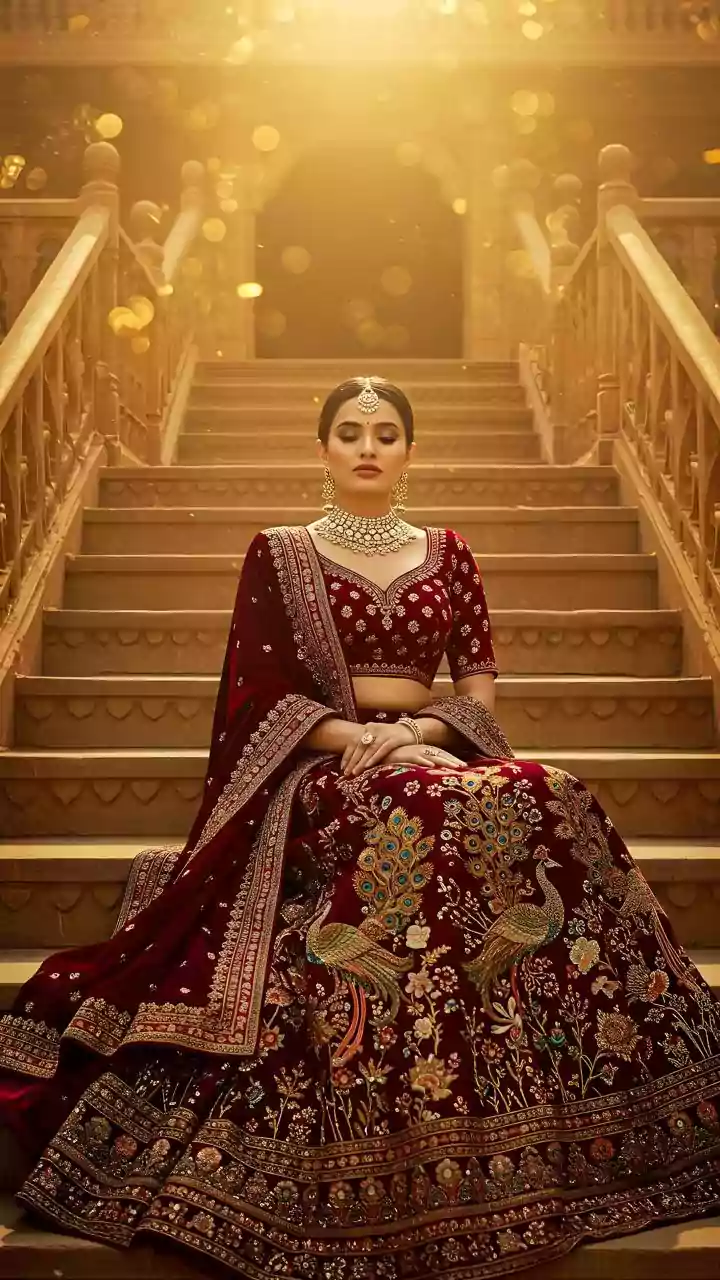
From the temple town of Kanchipuram in Tamil Nadu comes the majestic Kanjivaram saree. Renowned for its durability and pure mulberry silk, this saree is a heavyweight in both quality and cultural significance. A genuine Kanjivaram is identified by its contrasting borders, often woven separately and then interlocked with the body using a unique technique called 'Korvai'. The motifs are inspired by temple architecture and mythology, featuring classic designs like peacocks, swans, and temple patterns woven directly into the fabric with real zari. These sarees are considered auspicious and are a staple at weddings and major festivals.
The Poetic Drapes of Maharashtra: Paithani
Born in Paithan, Maharashtra, over 2,000 years ago, the Paithani is a poem in silk and zari. Known as the 'Queen of Silks', its most defining feature is the pallu, which is adorned with motifs like peacocks (mor), lotus flowers (kamal), and flowering vines (asawali), woven to be identical on both sides. The Paithani uses an ancient tapestry weaving technique where individual threads of different colours are woven together to create a fabric that seems to shimmer and change hues. The process is slow and meticulous; weavers can complete as little as a few inches a day on a complex design.
The Golden Threads of Assam: Muga Silk
Exclusive to the state of Assam, Muga silk is one of the rarest and most prized silks in the world, often called 'golden silk' for its natural amber hue. Produced by a silkworm species found nowhere else, this fabric is famed for its extreme durability and natural lustre, which is said to increase with every wash. Historically reserved for royalty, Muga silk is central to Assamese culture and is a key component of the traditional Mekhela Sador. In 2007, it was given a Geographical Indication (GI) tag, certifying that authentic Muga can only come from Assam.
The Airy Elegance of Madhya Pradesh: Chanderi
From the historic town of Chanderi in Madhya Pradesh comes a fabric once described as 'woven air'. Chanderi sarees are celebrated for their sheer texture, light weight, and glossy transparency. They are traditionally woven with a blend of silk and fine cotton, which gives them both a luxurious sheen and comfortable feel. The motifs are hand-woven into the fabric with needles, often featuring patterns inspired by nature like florals, peacocks, and coins. This combination of comfort and elegance makes Chanderi a popular choice for both festive occasions and formal wear.
The Vibrant Art of Gujarat & Rajasthan: Bandhani and Patola
The western states of Gujarat and Rajasthan are famous for their vibrant tie-dye and double-ikat weaving traditions. Bandhani, also known as Bandhej, is an ancient technique where the fabric is tied into tiny knots before dyeing, creating intricate patterns of dots. This process can take weeks to months depending on the design's complexity. Patola, from Patan in Gujarat, is a marvel of double-ikat weaving, where both the warp and weft threads are dyed before being woven. This demands immense precision and results in a fabric with perfectly mirrored, geometric designs and intense colours, making it highly prized.









